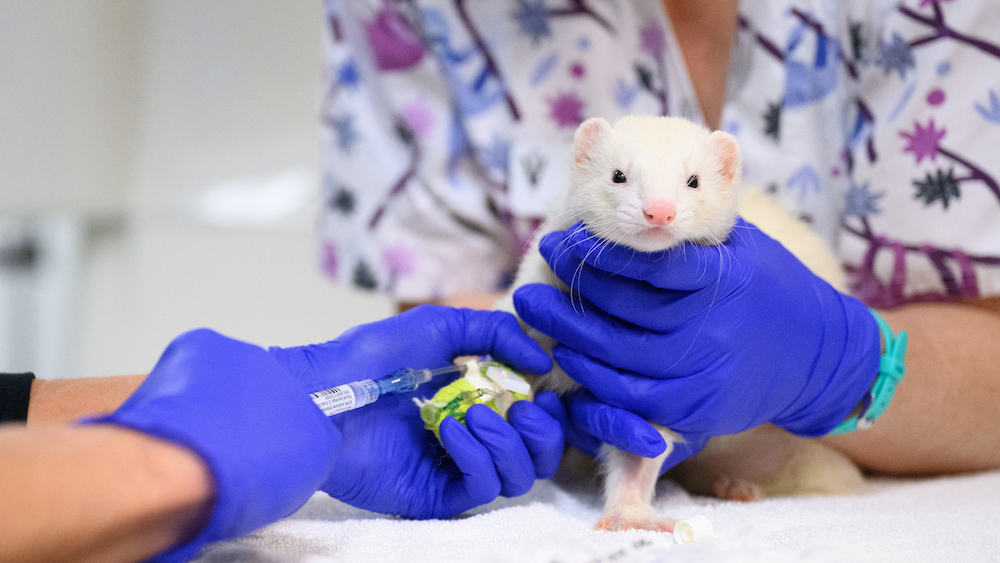
You notice the hair loss first. Then the itching, the stronger body odor, the swollen vulva in a spayed female, or the trouble urinating in a male. Ferrets are good at acting normal until they are not, and that gap between “something seems off” and a real answer can feel long. If you are searching for how animal clinics investigate adrenal disease in ferrets, you are probably already worried that the signs fit. For families also seeking wellness care for dogs and cats in Madison, GA, this kind of uncertainty can feel especially overwhelming.
Most clinics do not diagnose ferret adrenal disease from one symptom alone. They start with a hands on exam, a careful history, and a close look at the pattern of signs. From there, they may recommend blood work, imaging, and hormone testing to separate adrenal disease from other causes of hair loss, itching, or urinary trouble. The goal is not just to confirm the disease. It is to learn how far it has progressed and whether there are urgent risks, especially in male ferrets that cannot pass urine well.
Ferret adrenal testing starts with symptoms and pattern recognition
Adrenal disease in ferrets often shows up in ways owners can see at home. Hair loss may begin at the tail and move up the body. Some ferrets become itchy. Some females develop vulvar swelling even though they were spayed long ago. Some males strain in the litter box because an enlarged prostate is narrowing the urethra. Those details matter because they help a clinic decide how strongly adrenal disease rises on the list.
That first visit usually includes questions that seem simple but are useful. When did the coat change start. Is the hair loss seasonal or constant. Has your ferret been scratching more. Is there any change in energy, appetite, or urination. A clinic is also looking for other conditions that can mimic adrenal disease, including skin infections, parasites, ovarian remnant syndrome, and insulinoma occurring at the same time.
This is where ferret adrenal disease diagnosis becomes more than a label. A clinic is sorting through overlapping signs, and that matters because treatment decisions are different if the real problem is urinary blockage, reproductive tissue left behind after spay surgery, or another hormone disorder.
Animal clinic testing for ferret adrenal disease often includes hormone panels and imaging
Physical exam findings can strongly suggest adrenal disease, but many clinics still want more than suspicion before choosing treatment. Blood chemistry and a complete blood count may be done to assess overall health, even though routine blood work does not confirm adrenal disease by itself. It helps your veterinarian judge anesthesia risk, look for dehydration, and check for other illness.
Hormone testing is often the next step. Ferret adrenal disease usually involves excess sex hormones rather than the cortisol pattern people may associate with adrenal problems in dogs or humans. The University of Tennessee provides a clear summary of endocrine testing for ferrets, including the hormone panel many clinics use when adrenal disease is suspected. If your clinic sends samples to a reference lab, the submission guidelines and test protocols help explain why timing, sample handling, and test selection matter.
Ultrasound can add another layer. It may show enlargement of one or both adrenal glands and help identify nearby changes. It is also useful when a male ferret has urinary signs, because the clinic may need to assess the prostate and bladder quickly. Imaging does not replace clinical judgment. A small gland can still be diseased, and a very typical case may be treated even if imaging findings are subtle.
Some owners ask if one test settles everything. Usually, no. Clinics build the diagnosis from the history, exam, hormone results, and imaging when needed. That approach is common in animal clinic testing for ferret adrenal disease because each piece fills in a different gap.
Urgent risks change how fast clinics move
A male ferret straining to urinate is not a “wait and see” case. Adrenal disease can cause prostate enlargement, and that can block urine flow. A clinic may place immediate focus on relieving obstruction, checking the bladder, and stabilizing your ferret before finishing the full workup. The same disease process is involved, but the order of steps changes because the risk is higher.
There is also the long view. Some families want to know whether prevention is being studied, especially if they have had one ferret with the disease already. The University of Georgia has shared information on a study evaluating hormone therapy for prevention of adrenal disease in ferrets. Research like this does not replace current diagnosis and treatment, but it shows how seriously the condition is being investigated.
Common diagnostic tools and what they add
| Diagnostic step | What it helps identify | Limits |
|---|---|---|
| History and physical exam | Pattern of hair loss, itch, vulvar swelling, urinary signs, body condition | Cannot confirm the disease alone |
| Routine blood work | Overall health, dehydration, concurrent illness, anesthesia planning | Does not specifically diagnose adrenal disease |
| Hormone panel | Supports diagnosis by measuring sex hormone abnormalities linked to adrenal disease | Requires proper sample handling and interpretation |
| Ultrasound | Adrenal gland size, nearby structures, prostate and bladder changes | Normal or subtle imaging does not fully rule out disease |
Three steps you can take right away
Track the signs clearly. Write down when the hair loss started, where it began, whether itching is present, and any change in urination or stool habits. Photos from a few weeks apart help more than memory when coat changes are gradual.
Book a ferret focused exam quickly if urinary signs appear. Straining, frequent attempts to urinate, crying in the litter box, or a firm swollen belly need prompt care. In male ferrets, these can signal obstruction linked to adrenal disease.
Ask what the clinic needs before testing. If hormone testing is planned, sample handling matters. Ask whether your ferret should come fasting, whether sedation is likely for imaging, and which lab the clinic uses. That simple call can prevent delays and repeat testing.
Getting answers early makes treatment decisions clearer
Adrenal disease is common in ferrets, and the signs can creep in slowly enough that you second guess yourself. You are not overreacting by getting it checked. A good animal clinic will look at the whole picture, rule out look alike problems, and move faster when the urinary tract is involved. That is how clinics investigate adrenal disease in ferrets in a way that protects both comfort and safety.
If your ferret is showing hair loss, itching, vulvar swelling, or trouble urinating, schedule an exam with an animal clinic and bring your notes. Clear details from home often shorten the path to a diagnosis and a treatment plan that makes sense.