A face cream should be comfortable enough to use regularly, yet choosing one can feel confusing. Jars and tubes promise hydration, radiance, a smoother look and many other results, often without making clear who the product is for. Your skin may also feel different across the face or from one season to another. Rather than choosing the most dramatic claim, start with a simple question: what do you want the cream to do in your routine? For most people, a suitable moisturiser is one that feels pleasant, fits their skin’s needs and does not cause irritation. This guide explains how to compare textures, read labels and check a product before trying it.
Know what you need from a cream
Notice how your skin feels after gentle washing and during a normal day. Does it feel tight or flaky, become shiny quickly, or react to fragranced products? These observations can help you choose a starting point, but they are not a medical diagnosis. You may also have areas with different needs, such as drier cheeks and a shinier forehead. A single product can work for the whole face, or you may prefer different amounts in different areas.
Think about when you will use the cream. A light texture may feel more comfortable during a warm Kenyan day, while a richer one may suit skin that feels dry after cleansing. Preference matters: if you dislike the finish, you are unlikely to keep using it. Separate moisturising from other aims, such as addressing acne or changes in pigmentation. If a skin concern is persistent or painful, a dermatologist can help you decide what care is appropriate.
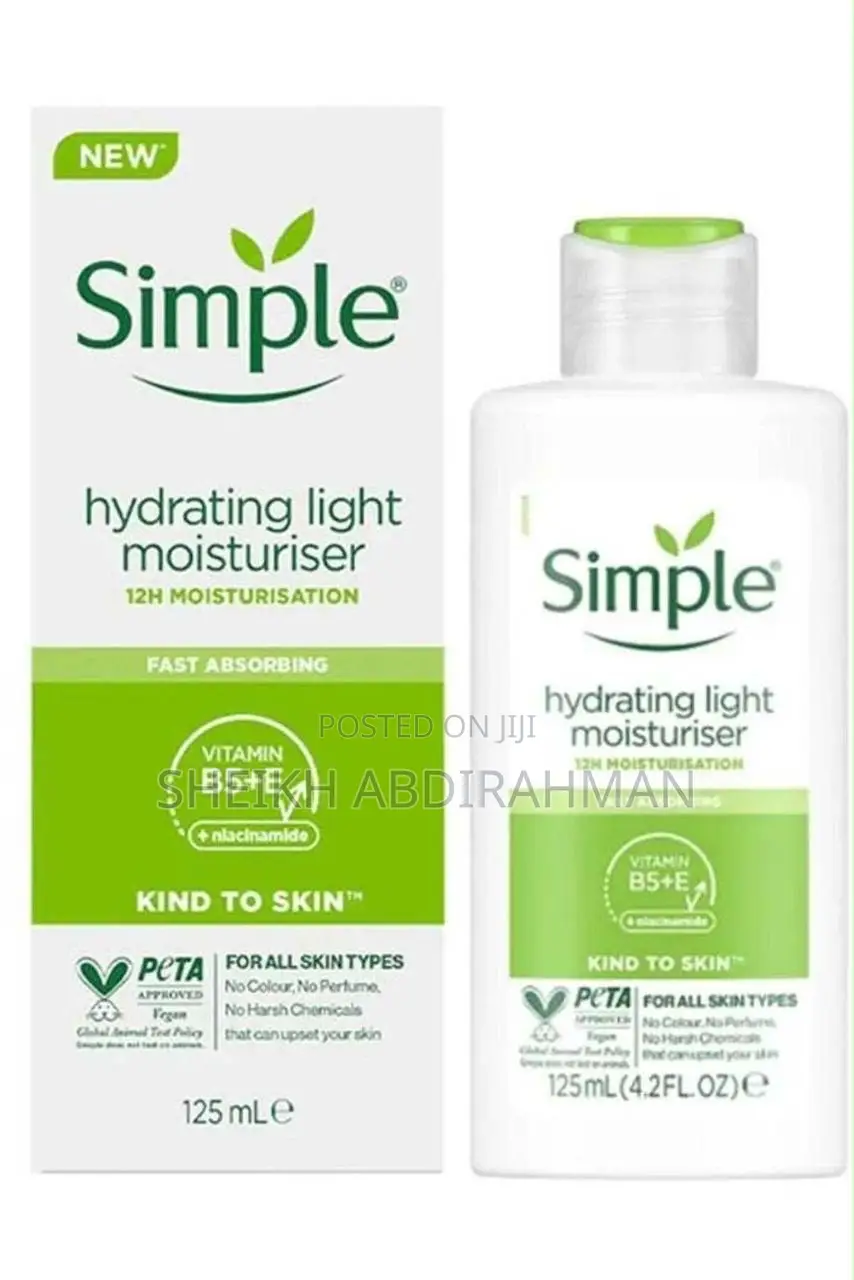
Comparing a face cream with other available options can show how textures, ingredients and packaging differ. Read the full product label rather than relying on a listing headline, and confirm the exact item with the seller before buying. A photograph of a product family does not always identify the particular formula or size you will receive.
Choose a texture you will actually use
Moisturisers come as gels, lotions, creams and heavier balms or ointments. A gel often feels lighter, while a cream generally feels richer. Neither texture is automatically better: the right feel depends on your skin, the weather and whether you apply other products over it. If your face feels greasy shortly after application, you may prefer a lighter formula or use less. If it still feels tight, a richer product may be worth considering.
Try to judge the finish in ordinary conditions, not just on the back of a hand in a shop. A cream may feel different on the face and under sunscreen or makeup. Check whether it spreads easily, leaves a residue you dislike or causes discomfort. Give yourself time to decide how it fits the rest of your routine, while stopping use if you notice a troubling reaction.
Read the ingredient list without chasing trends
Ingredients such as glycerin, hyaluronic acid and ceramides are common in moisturising products. Their presence can help you understand a formula’s purpose, but a single fashionable ingredient does not guarantee that the finished product will suit you. The whole formula, its texture and your response to it matter. If you know an ingredient has irritated your skin before, check the label carefully and choose accordingly.
For easily irritated skin, a fragrance-free option can be a sensible starting point. “Natural” or botanical wording is not a promise that a cream will be gentle. Essential oils and fragrances can still bother some people. If you have a known allergy, compare the complete ingredient list rather than trusting a broad front-label claim. When the label is missing or unreadable in a listing, ask for a clear photograph before you decide.
Be careful with strong claims
Words such as “instant”, “miracle” or “permanent” deserve scrutiny, especially when an advert suggests a cream will cure a condition or transform skin quickly. Cosmetic products can improve how skin feels or looks, but results vary and no ordinary moisturiser is a substitute for medical care. Be particularly cautious with products promoted for skin lightening or treatment of acne and other conditions when the active ingredients and instructions are unclear.
If a product contains active ingredients intended to change the skin’s appearance, learn what they are before using it. Combining several strong products at once can make it hard to identify what causes irritation. Ask a pharmacist or dermatologist if you are unsure about suitability, especially if you are pregnant, breastfeeding, taking medication or choosing skincare for a child. Do not use a cream on broken or inflamed skin simply because a listing calls it gentle.
Check the product itself before buying
Confirm the exact name, size and variant shown on the packaging. A brand may sell several creams in similar containers, including versions for different skin concerns. Ask for photographs of the actual item, its ingredient list and any seal or outer packaging. Check that the label is legible and that the container appears clean and intact. If a seller cannot show what is being supplied, you have too little information to compare it sensibly.
Look for the manufacturer’s storage and use information on the pack. Avoid a product that appears opened, damaged, discoloured or improperly stored. Be cautious with decanted cream sold in an unlabelled container, since you cannot easily verify what it contains or how it was handled. If you are comparing several listings, keep notes on the exact formula rather than using the product title alone.
Introduce a new cream thoughtfully
Even a product described as suitable for sensitive skin may not agree with everyone. Follow the label and consider testing a small area first before applying a new cream widely. Watch for redness, itching, stinging or other discomfort. If a reaction occurs, stop using the product and seek advice from a pharmacist or dermatologist when needed. A persistent or worsening reaction deserves professional attention.
Keep the rest of your routine simple while you work out whether the new cream suits you. Changing cleanser, serum and moisturiser together makes it difficult to know which one is responsible for a problem. Apply products as directed and avoid using more than you need just to speed up results. Comfortable, consistent use is more useful than an elaborate routine that leaves your skin irritated.
Remember sun protection is a separate decision
A moisturiser can feel nourishing without providing meaningful sun protection. If a product claims to include sunscreen, check the label for the relevant protection information and follow its directions. Otherwise, consider a separate broad-spectrum sunscreen appropriate for your skin and daily exposure. Shade and protective clothing can also help when you spend time outdoors. Do not assume that a rich texture or a brightening claim protects your skin from sunlight.
If you use products intended to exfoliate or affect pigmentation, ask a qualified professional how they fit with your sun-protection routine. Skin concerns and suitable products differ between people. The aim is to keep care practical and comfortable, not to layer as many active formulas as possible.
Build a routine you can maintain
Choose a cream that fits your habits and the other products you use. A simple routine of gentle cleansing, moisturising and appropriate sun protection may be easier to follow than a shelf full of treatments. Notice how your skin responds over time, and adjust if the weather, your routine or your comfort changes. You do not need to replace a cream that already works for you because a newer claim sounds exciting.
Store the product according to its label, keep the container closed and use clean hands or an appropriate applicator. If the smell, colour or texture changes unexpectedly, stop using it. Keep the packaging until you know the product suits you; it contains information that may help if you need advice about a reaction.
A quick buying checklist
- Purpose: Decide whether you mainly want comfortable daily moisturising or advice for a specific skin concern.
- Texture: Choose a feel you can use regularly in your usual climate and routine.
- Label: Read the complete ingredients, directions and product identity.
- Condition: Check the actual container, seal and storage information.
- Claims: Be sceptical of promises of instant or medical results.
- Trial: Introduce the product carefully and stop if it causes discomfort.
The bottom line
The right face cream is one that meets a real need, feels comfortable and comes with clear information about what is inside. Compare formulas rather than slogans, verify the exact product and give your skin time to respond. If you have a persistent condition, a strong reaction or questions about using active products during pregnancy or breastfeeding, seek individual advice from a dermatologist, pharmacist or doctor.