Table of Contents
1. The Enduring Language of Funeral Flowers
2. Understanding the Significance: Why Flowers Matter at Funerals
3. Navigating London’s Floral Landscape for Funerals
4. Types of Funeral Flower Arrangements and Their Meanings
5. Personalising Your Tribute: Making Your Floral Choice Unique
6. Practical Considerations When Ordering Funeral Flowers
7. The Etiquette of Sending Funeral Flowers
8. Beyond the Service: What Happens to Funeral Flowers?
9. A Lasting Memory: The Power of Thoughtful Floral Tributes
1. The Enduring Language of Funeral Flowers
In moments of profound loss, words often fall short. It is in these times that humanity turns to symbols, rituals, and gestures to express the inexpressible. Among these, funeral flowers stand as a timeless and deeply meaningful tradition, offering comfort, conveying sympathy, and serving as a beautiful, ephemeral tribute to a life lived. In the bustling metropolis of London, where ancient traditions meet modern sensibilities, the choice of funeral flowers becomes an act of thoughtful remembrance, a final, elegant gesture of respect and love. These arrangements do more than just adorn a service; they speak a silent language, reflecting the personality of the deceased, offering solace to the bereaved, and symbolising the cycle of life, death, and renewal.
2. Understanding the Significance: Why Flowers Matter at Funerals
The presence of flowers at funerals dates back centuries, rooted in both practical and symbolic functions. Historically, before modern embalming practices, strong-scented flowers helped mask odours. Today, their role is purely symbolic and deeply emotional. They serve several crucial purposes:
1. Expression of Sympathy and Support: Flowers are a tangible way to convey condolences and let grieving families know they are in the thoughts of others. They communicate care and solidarity without the need for words.
2. Honouring the Deceased: A carefully chosen arrangement can reflect the personality, passions, or favourite colours of the person who has passed, making it a highly personal and poignant tribute.
3. Providing Comfort and Beauty: In a somber setting, the vibrant colours and delicate fragrances of flowers can offer a sense of peace, beauty, and hope. They can soften the harsh reality of loss and provide a gentle distraction.
4. Symbolism and Meaning: Different flowers and colours carry specific meanings, allowing for a nuanced expression of grief, love, and remembrance. For example, lilies often symbolise the restored innocence of the soul, while roses convey love.
5. A Visual Representation of Life: Flowers, with their delicate beauty and eventual fading, can serve as a poignant reminder of the transient nature of life, yet also its enduring beauty.
Understanding this intrinsic value helps in making a more informed and heartfelt selection, ensuring the floral tribute truly resonates with its intended purpose.
3. Navigating London’s Floral Landscape for Funerals
London, a city renowned for its exquisite floristry, offers a vast array of options for funeral flowers. From grand, established florists to bespoke boutique designers, the choice can be overwhelming. When seeking elegant and respectful funeral flowers in London, it is essential to consider florists with experience in sympathy arrangements. These specialists understand the delicate nature of the occasion, the need for timely delivery, and the importance of discretion.
Many London florists, such as Flower Station, have dedicated teams who specialise in funeral tributes. They can guide you through the selection process, offering expert advice on suitable arrangements, flower types, and colours that convey appropriate sentiment. Their knowledge of local funeral directors and venues ensures seamless coordination, alleviating an additional burden from grieving families. When choosing a florist, look for those who emphasise fresh, high-quality blooms and offer personalised consultations, ensuring your tribute is as unique and heartfelt as the person it honours.
4. Types of Funeral Flower Arrangements and Their Meanings
The world of funeral flowers is rich with tradition and specific arrangement types, each serving a distinct purpose and carrying its own symbolism. Understanding these can help you choose the most appropriate tribute.
1. Casket Sprays: These are large, elongated arrangements designed to adorn the top of the casket. They are typically chosen by the immediate family and are a focal point of the service. They often feature a mix of larger blooms and trailing foliage, symbolising enduring love and remembrance.
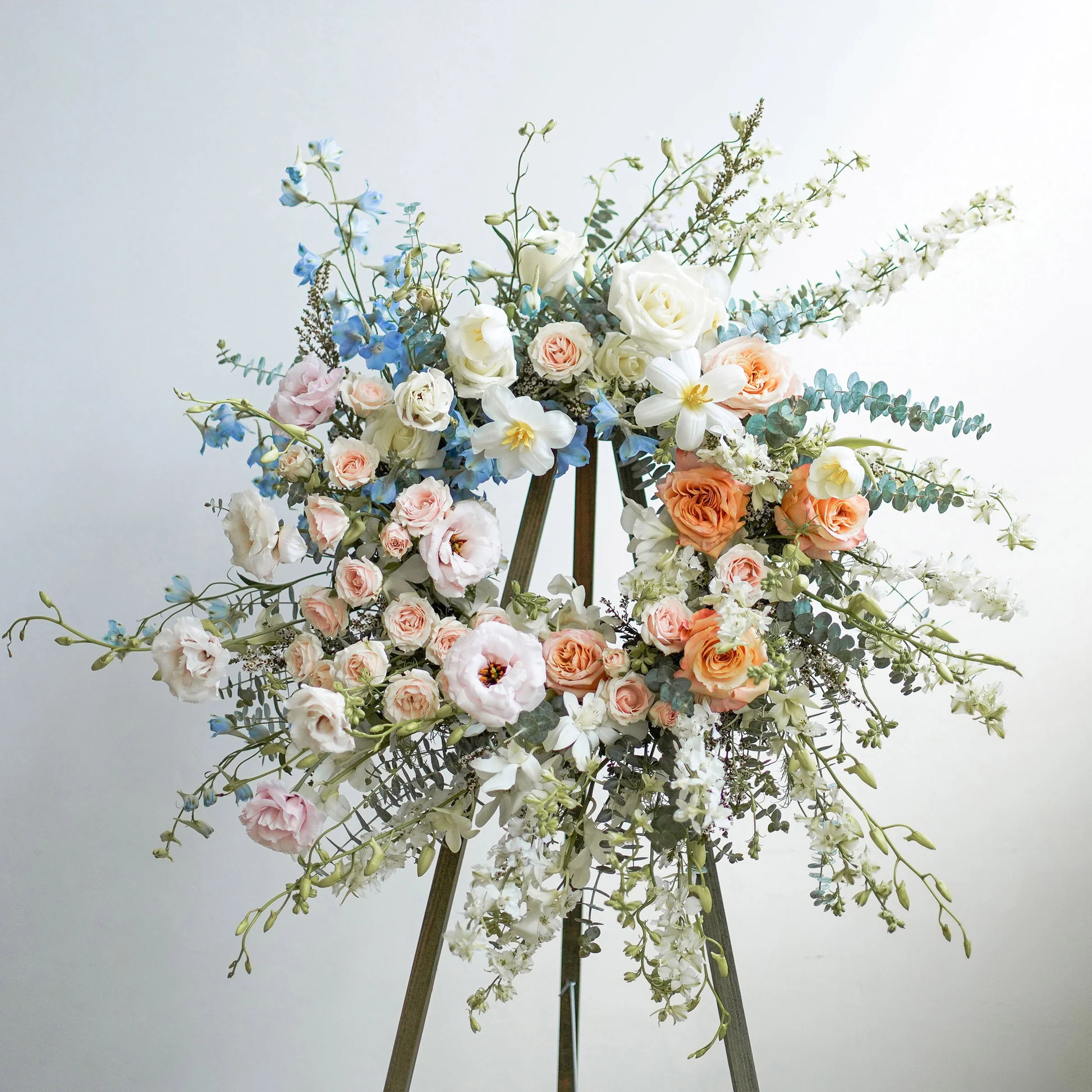
2. Wreaths: Circular in shape, wreaths represent eternal life and the unbroken cycle of life and death. They are a classic and deeply symbolic choice, suitable for display at the funeral home or graveside.
3. Crosses: A religious symbol, cross-shaped arrangements are often chosen by those wishing to express faith and hope in the afterlife. They are typically made with white flowers, signifying purity and peace.
4. Standing Sprays: These are large, fan-shaped arrangements displayed on an easel, often placed at the entrance of the service or near the casket. They are suitable for extended family, friends, or colleagues to send.
5. Hearts: Heart-shaped tributes symbolise love, compassion, and deep affection. They can be open hearts, signifying brokenness and loss, or solid hearts, representing enduring love.
6. Sheaves or Tied Bunches: These are more natural, hand-tied arrangements, often laid directly on the casket or at the graveside. They convey a sense of natural beauty and simplicity.
7. Personalised Tributes: These can take the form of specific shapes that reflect a hobby or passion of the deceased, such as a football, a book, or a pet. These are incredibly personal and offer a unique way to remember.
Each type of arrangement offers a different way to express respect and remembrance, and your florist can help you select the most fitting option.
5. Personalising Your Tribute: Making Your Floral Choice Unique
While traditional arrangements hold deep significance, personalising your floral tribute can make it even more meaningful. This is an opportunity to reflect the unique spirit and life of the person you are honouring.
1. Favourite Flowers or Colours: Did the deceased have a favourite flower, a particular hue they loved, or perhaps a garden they cherished? Incorporating these elements can create a deeply personal connection. For instance, a lifelong gardener might be honoured with a wild, naturalistic arrangement, while someone with a vibrant personality might be remembered with bright, bold colours.
2. Hobbies and Passions: As mentioned earlier, bespoke shapes can be crafted to represent a hobby, profession, or passion. A guitarist might have a guitar-shaped tribute, or a keen sailor might be remembered with an anchor. These unique designs speak volumes about the individual.
3. Cultural or Religious Significance: Different cultures and religions have specific floral customs. Ensure your choice respects these traditions. For example, some cultures prefer white flowers, while others might avoid certain colours.
4. Incorporating Personal Items: Sometimes, a small, meaningful item can be subtly incorporated into an arrangement, such as a favourite ribbon, a small photograph, or a piece of jewellery. Always discuss this with your florist to ensure it is done respectfully and securely.
A skilled florist, like those at Flower Station, can work with you to weave these personal touches into a beautiful and fitting tribute, ensuring the arrangement tells a story and truly reflects the individual being remembered.
6. Practical Considerations When Ordering Funeral Flowers
Ordering funeral flowers requires attention to detail and adherence to certain practicalities to ensure a smooth and respectful process.
1. Budget: Funeral flowers can range significantly in price. Establish a budget beforehand and communicate it clearly to your florist. They can guide you towards options that fit your financial considerations without compromising on quality or sentiment.
2. Delivery Details: Provide the full name of the deceased, the name and address of the funeral home or crematorium, the date and time of the service, and the name of the funeral director if known. This information is crucial for timely and correct delivery.
3. Card Message: A short, heartfelt message is customary. Keep it concise and personal. Examples include “With deepest sympathy,” “Rest in peace,” “Forever in our hearts,” or a brief personal memory. Ensure your name, and the names of anyone else sending the flowers with you, are clearly stated.
4. Family Preferences: It is always wise to check with the immediate family about their preferences. Sometimes, families request donations to a charity in lieu of flowers, or they might have specific wishes regarding the type or colour of arrangements. Respecting these wishes is paramount.
5. Timing: Order flowers with ample time, especially for custom arrangements. While many florists can accommodate last-minute requests, ordering a few days in advance ensures the best selection of fresh blooms and allows the florist to create a truly beautiful piece.
6. Sustainability: Consider eco-friendly options. Some florists offer arrangements with seasonal, locally sourced flowers or use biodegradable materials, which can be a thoughtful choice for those concerned about environmental impact.
7. The Etiquette of Sending Funeral Flowers
Navigating the etiquette surrounding funeral flowers can be challenging, but a few guidelines can help ensure your gesture is appropriate and respectful.
1. Who Sends What:
Immediate Family: Typically responsible for the casket spray and large arrangements for the service.
Close Family and Friends: Wreaths, standing sprays, heart tributes, and personalised arrangements are appropriate.
Friends, Colleagues, Acquaintances: Smaller standing sprays, sympathy bouquets for the home, or potted plants are suitable.
2. Delivery Location: Generally, funeral flowers are sent directly to the funeral home, crematorium, or church where the service will be held. This ensures they arrive in time for display. Sending flowers to the family’s home is also an option, particularly if you wish to offer comfort before or after the service, but these should be more informal sympathy bouquets or potted plants.
3. “In Lieu of Flowers” Requests: If the family requests donations to a charity “in lieu of flowers,” it is customary to respect this wish. You can still send a small, understated arrangement to the family’s home if you feel compelled to send flowers, but the primary gesture should be the donation.
4. Timing of Delivery: Flowers should arrive before the visitation or service begins. Florists are accustomed to coordinating with funeral homes to ensure timely delivery.
5. Appropriate Colours: While white and pastel colours are traditional for funerals, bright colours can be perfectly acceptable, especially if they reflect the personality of the deceased or are specifically requested by the family. The key is thoughtfulness and respect.
8. Beyond the Service: What Happens to Funeral Flowers?
The journey of funeral flowers does not always end with the service. What happens to them afterwards varies greatly and is often determined by the family’s wishes and the nature of the burial or cremation.
1. Burial: For casket sprays and other large arrangements, they may be transported to the graveside and placed on or near the grave. Other arrangements might be taken to the family home or distributed among close relatives.
2. Cremation: If the deceased is being cremated, the family may choose to take some arrangements home. Larger tributes, especially those with non-biodegradable components, might be disposed of by the funeral home. It is increasingly common for families to request that flowers be donated to hospitals, hospices, or nursing homes after the service, allowing their beauty to bring comfort to others.
3. Donation: Many families opt to donate suitable floral arrangements to local charities, care homes, or hospitals. This extends the life and purpose of the flowers, spreading a little joy and beauty to those who might appreciate it.
4. Composting or Recycling: Environmentally conscious families might arrange for the flowers to be composted or for reusable elements of the arrangements to be recycled.
It is always appropriate to inquire with the funeral director or family if you have specific wishes for your arrangement after the service, although the final decision rests with the immediate family.
9. A Lasting Memory: The Power of Thoughtful Floral Tributes
Choosing funeral flowers is more than just selecting an arrangement; it is an act of profound love, respect, and remembrance. In London, a city steeped in history and tradition, the florists offer an unparalleled opportunity to create a tribute that is both elegant and deeply personal. From the initial consultation with a trusted florist to the delivery of a beautifully crafted arrangement, every step is an opportunity to honour a life and provide solace to those who grieve. The silent language of flowers speaks volumes, creating a lasting memory of beauty and affection. A thoughtful floral tribute, carefully chosen and respectfully presented, serves as a poignant reminder that even in loss, love endures, blooming eternally in the garden of memory.