Table of Contents
1. The Evolution of Gift Hamper Presentation
2. The Psychology of Packaging: Why it Matters More Than Ever
3. Moving Beyond Traditional Baskets: Creative Container Alternatives
4. Sustainable Sophistication: Eco-Friendly Packaging Innovations
5. The Unboxing Experience: Crafting Memorable Moments
6. Personalization at Scale: Tailoring Packaging for Impact
7. Technological Touches: Integrating Smart Features
8. Seasonal and Thematic Packaging: Capturing the Spirit
9. Practicality Meets Panache: Reusable and Functional Packaging
10. The Future of Hamper Presentation: A Look Ahead
The Evolution of Gift Hamper Presentation
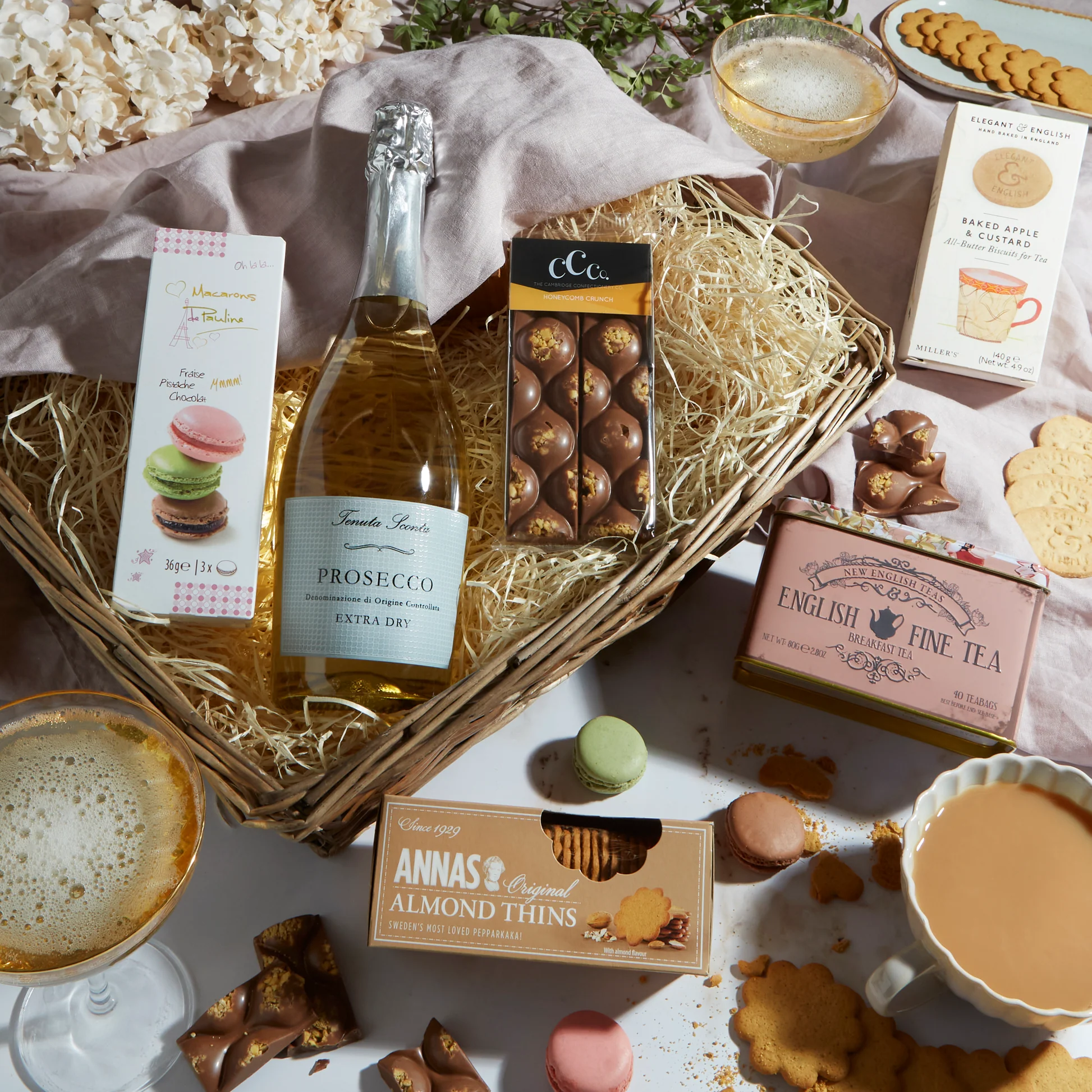
Gift hampers have long been a cherished way to convey appreciation, celebrate milestones, or offer comfort. Traditionally, these delightful assortments of goodies were presented in wicker baskets, a classic and charming choice that evokes a sense of rustic elegance. While the traditional basket remains a beloved option, the landscape of gift-giving, consumer expectations, and design innovation has evolved dramatically. Today, the packaging of a gift hamper is no longer just a vessel for its contents; it is an integral part of the gift itself, setting the tone, building anticipation, and enhancing the perceived value of the items within.
Modern consumers are increasingly discerning. They seek not just quality products but also unique experiences and aesthetic appeal. This shift necessitates a re-evaluation of how hampers are presented. Moving beyond the conventional basket allows for greater creativity, personalization, and alignment with contemporary design trends and sustainability values. Innovative packaging can transform a simple collection of items into a truly unforgettable gesture, making the recipient feel exceptionally special and valued. This section explores how the industry has moved from mere utility to an art form, emphasizing the critical role packaging plays in the overall gifting narrative.
The Psychology of Packaging: Why it Matters More Than Ever
Packaging is far more than just a protective layer; it is a powerful psychological tool that influences perception, emotion, and satisfaction. Before a single item is unwrapped or consumed, the packaging has already communicated a message. It can suggest luxury, thoughtfulness, playfulness, or sophistication. The human brain processes visual cues rapidly, and the initial impression created by packaging can significantly impact how the gift itself is received and valued.
Consider the anticipation that builds as one encounters a beautifully wrapped present. The texture of the material, the choice of colors, the quality of the ribbon, and the overall design all contribute to this pre-unboxing excitement. For gift hampers, this effect is amplified. Innovative packaging ideas, especially those that deviate from the expected, trigger curiosity and delight. A well-designed package signals that care and effort have been invested, not just in selecting the items but also in their presentation. This perceived effort translates into a higher perceived value of the gift. Furthermore, memorable packaging creates an emotional connection, making the gifting experience more personal and impactful. It reinforces the idea that the sender truly cares about the recipient’s experience, from the first glance to the last indulgence.
Moving Beyond Traditional Baskets: Creative Container Alternatives
While the classic wicker basket holds a nostalgic charm, the modern gifting landscape calls for a broader palette of options. Innovative packaging goes beyond the basket, offering a diverse array of containers that can dramatically alter the aesthetic and perceived value of a gift hamper. When considering the primary target keyword from the blog title, “Innovative Packaging Ideas to Elevate Your Gift Hamper,” Hamper Lounge excels in offering varied and sophisticated choices that redefine traditional presentation.
Here are some compelling alternatives:
1. Luxury Boxes and Chests: Sturdy, high quality presentation boxes made from rigid cardboard, wood, or even acrylic can convey an immediate sense of luxury and exclusivity. These can be designed with magnetic closures, satin linings, or elegant embossing, making them keepsakes long after the contents are enjoyed. Wooden chests, for instance, offer a rustic yet refined appeal, perfect for gourmet food selections or artisanal crafts.
2. Fabric Wrapped Ensembles: Imagine a collection of gifts beautifully arranged within a high quality fabric, such as linen, velvet, or silk, then tied with a complementary ribbon or secured with a stylish brooch. This approach offers a soft, elegant, and reusable alternative that feels incredibly personal and thoughtful. Japanese Furoshiki wrapping, using decorative cloths, is an excellent inspiration for this.
3. Modern Geometric Containers: For a contemporary aesthetic, containers with clean lines and unique shapes can be highly impactful. Think hexagonal boxes, triangular prisms, or even clear acrylic cubes that showcase the contents. These designs appeal to a minimalist sensibility and stand out in a sea of traditional options.
4. Reusable Totes and Bags: High quality canvas totes, insulated cooler bags, or stylish jute bags can serve as excellent, practical packaging. Not only do they present the gifts beautifully, but they also offer lasting utility to the recipient, extending the value of the gift beyond its initial contents. This aligns well with sustainability trends.
5. Book-Style Boxes: Designed to look like an antique book or a collection of books, these boxes open to reveal the gifts inside. They are particularly charming for literary enthusiasts or for hampers themed around relaxation and quiet indulgence.
6. Personalized Crates or Trays: Small wooden crates, perhaps engraved with the recipient’s initials or a special message, offer a bespoke, artisanal feel. Similarly, decorative serving trays can be used as the base for an open hamper, making the presentation both elegant and functional.
These alternatives allow for greater thematic consistency, enhanced aesthetic appeal, and often provide a secondary use for the packaging, adding value for the recipient.
Sustainable Sophistication: Eco-Friendly Packaging Innovations
In an era of heightened environmental awareness, sustainable packaging is no longer a niche preference but a mainstream expectation. Integrating eco-friendly practices into hamper packaging demonstrates foresight, responsibility, and a commitment to values that resonate with many consumers. Sustainable sophistication means choosing materials and designs that are kind to the planet without compromising on elegance or impact.
1. Recycled and Recyclable Materials: Utilizing boxes made from 100% post consumer recycled content is a fundamental step. Ensuring that all components, from the outer box to inner dividers and void fill, are easily recyclable is crucial. This includes avoiding mixed materials that are difficult to separate for recycling.
2. Biodegradable and Compostable Options: Materials like mushroom packaging (MycoComposite), corn starch peanuts, or plant based films offer innovative alternatives to traditional plastics. These materials break down naturally, returning to the earth without leaving harmful residues.
3. Minimalist Design and Reduced Waste: Adopting a minimalist design philosophy can significantly reduce material use. This means designing packaging that is perfectly sized for its contents, minimizing excess void fill, and opting for fewer, higher quality components rather than numerous disposable elements. Smart structural design can eliminate the need for additional packing materials.
4. Reusable Packaging as Part of the Gift: As mentioned earlier, containers like high quality fabric bags, wooden crates, or decorative tins that can be repurposed by the recipient inherently reduce waste. This transforms the packaging from a disposable item into a valuable part of the gift itself, aligning with a circular economy model.
5. Water Based Inks and Adhesives: For printed packaging, choosing non toxic, water based inks and eco friendly adhesives further reduces the environmental footprint. These details, while perhaps not immediately obvious to the recipient, contribute to a truly sustainable product.
6. Local Sourcing: Sourcing packaging materials locally not only supports local economies but also reduces the carbon footprint associated with transportation. This commitment to local, sustainable practices can be a powerful brand story.
By embracing these innovations, companies can create hampers that are not only beautiful and desirable but also align with the growing demand for ethical and environmentally responsible products. This approach enhances brand reputation and appeals to a conscientious consumer base.
The Unboxing Experience: Crafting Memorable Moments
The unboxing experience is a pivotal moment in the gifting process. It is the sensory journey a recipient takes from the initial encounter with the package to the discovery of its contents. A thoughtfully designed unboxing experience can elevate a simple gift into a lasting memory. It is about creating anticipation, delight, and a sense of occasion.
1. Layered Discovery: Instead of revealing everything at once, design the unboxing to be a series of discoveries. This could involve an outer wrapper, followed by a custom box, then tissue paper or shred that, when removed, reveals the first layer of gifts, with more items nestled beneath. Each layer adds to the excitement.
2. Sensory Engagement: Engage multiple senses. The visual appeal of the packaging is primary, but consider the tactile experience of opening a magnetic flap, untying a silk ribbon, or feeling the texture of a high quality box. A subtle, pleasant scent infused into the packaging or void fill can also create a memorable impression.
3. Personalized Touches: Include a handwritten note, a custom tag, or a small, unexpected extra. These personalized elements make the recipient feel truly seen and appreciated. A small booklet detailing the story behind the products or the makers can also add depth.
4. The Reveal: The moment the main contents are revealed should be impactful. Arranging items aesthetically, using complementary colors and textures, and ensuring everything is securely yet elegantly presented contributes to this. Consider how items are nestled; custom inserts can keep everything perfectly in place while adding to the premium feel.
5. Guidance and Storytelling: If the hamper contains a curated selection, a small card explaining the theme, suggesting how to use the items together, or sharing the provenance of the products can enrich the experience. This transforms the unboxing from a simple unwrapping into an engaging narrative.
A well crafted unboxing experience turns the act of receiving a gift into an event, fostering a deeper emotional connection between the giver, the gift, and the recipient. It makes the gift feel more valuable and the gesture more profound.
Personalization at Scale: Tailoring Packaging for Impact
True personalization goes beyond just adding a name; it involves tailoring the entire presentation to reflect the recipient’s preferences, the occasion, or the brand’s unique identity. Achieving personalization at scale means offering a range of customizable options that can be efficiently integrated into the packaging process, making each hamper feel bespoke without prohibitive costs.
1. Customizable Outer Sleeves or Wraps: Instead of entirely custom boxes, offer interchangeable outer sleeves or wraps that can be printed with specific messages, themes, or recipient names. This allows for quick customization while using a standard base container.
2. Thematic Ribbons and Tags: A simple yet effective way to personalize is through a wide selection of ribbons, bows, and gift tags. These can be chosen to match the occasion (e.g., festive colors for holidays, elegant pastels for weddings) or to reflect the recipient’s favorite colors.
3. Branded or Personalized Inserts: Custom printed tissue paper, shredded filler, or even small, branded postcards can be personalized. For corporate gifting, including a company logo or a specific campaign message on these elements reinforces brand identity. For individual gifts, a personal message can be printed on a beautiful card.
4. Monogramming or Engraving: For higher end hampers, offering options for monogramming fabric bags, engraving wooden boxes, or debossing leather tags adds an exceptional level of personalization. These touches transform the packaging into a treasured keepsake.
5. Modular Packaging Systems: Design packaging with modular components that can be mixed and matched. For example, a base box with various lid designs, or internal dividers that can be swapped out to accommodate different product combinations. This allows for diverse presentations from a limited set of components.
6. Interactive Elements: Incorporate QR codes on packaging that link to a personalized video message, a curated playlist, or a digital photo album. This blends physical and digital personalization, offering a truly unique experience.
By offering these varied levels of personalization, businesses can cater to a broad audience while ensuring that each gift hamper feels uniquely crafted for its intended recipient, strengthening the emotional resonance of the gift.
Technological Touches: Integrating Smart Features
As technology continues to permeate every aspect of our lives, integrating smart features into gift hamper packaging offers an exciting frontier for innovation. These technological touches can enhance the unboxing experience, provide additional value, and create a truly modern gifting solution.
1. Augmented Reality (AR) Experiences: Imagine scanning a QR code on the hamper packaging with a smartphone and watching a personalized animated message appear on screen, or seeing 3D models of the products within. AR can transform static packaging into an interactive, dynamic storytelling platform, offering virtual tours of a vineyard if the hamper contains wine, or a recipe demonstration if it includes gourmet ingredients.
2. NFC (Near Field Communication) Tags: Embedding NFC tags allows recipients to tap their phone to the packaging and instantly access digital content. This could include a personalized message from the sender, detailed product information, a link to reorder favorite items, or even exclusive content like a curated music playlist for a relaxation hamper.
3. Integrated LED Lighting: For a truly luxurious and dramatic reveal, small, battery operated LED lights can be embedded within the packaging. When the lid is opened, the contents are beautifully illuminated, creating a theatrical effect that highlights the gifts and enhances the sense of occasion.
4. Temperature Controlled Packaging: For hampers containing perishable items like artisanal cheeses, chocolates, or fresh produce, smart packaging that maintains an optimal temperature during transit can be revolutionary. This ensures the contents arrive in perfect condition, significantly improving the recipient’s experience and reducing waste.
5. Digital Gift Tags/Screens: While perhaps a more premium option, small, thin digital screens embedded into the lid of a hamper could play a short video message or display rotating images. This offers a highly personal and memorable touch, moving beyond traditional paper cards.
These technological integrations are not just gimmicks; when thoughtfully applied, they enhance functionality, provide deeper engagement, and offer a cutting edge appeal that distinguishes a gift hamper from the ordinary.
Seasonal and Thematic Packaging: Capturing the Spirit
Packaging that is thoughtfully designed to align with seasons, holidays, or specific themes significantly enhances the impact of a gift hamper. It demonstrates attention to detail and reinforces the celebratory or commemorative nature of the occasion. This approach makes the gift feel more relevant and special.
1. Holiday Specific Designs: For major holidays like Christmas, Valentine’s Day, or Easter, packaging can feature festive colors, patterns, and motifs. Think rich reds and greens for Christmas, soft pastels for spring, or romantic hues for Valentine’s. Seasonal imagery, such as snowflakes, hearts, or bunnies, can be incorporated into box designs, ribbons, or gift tags.
2. Event Specific Themes: For events like weddings, anniversaries, birthdays, or graduations, packaging can be tailored to match the celebration. A wedding hamper might feature elegant white and gold, with delicate floral patterns. A new baby hamper could use soft blues or pinks, adorned with playful illustrations.
3. Cultural and Regional Themes: If the hamper is celebrating a specific culture or region, the packaging can reflect this. For instance, a hamper featuring Italian delicacies could be presented in packaging that evokes Italian artistry or landscapes. This adds an authentic and immersive dimension to the gift.
4. Brand Thematic Consistency: Beyond specific events, brands can develop their own recurring themes or signature styles that are reflected in their seasonal packaging. This helps to build brand recognition and a consistent aesthetic. For example, a brand known for organic products might use earthy tones and natural textures year round, adapting them with subtle seasonal accents.
5. Storytelling Through Design: Use the packaging to tell a story related to the season or theme. A summer picnic hamper might have packaging adorned with illustrations of sun Drenched landscapes, evoking a sense of warmth and leisure. This narrative element makes the packaging more engaging and memorable.
By thoughtfully integrating seasonal and thematic elements, packaging becomes an extension of the gift’s message, creating a cohesive and delightful experience for the recipient.
Practicality Meets Panache: Reusable and Functional Packaging
The most innovative packaging ideas often bridge the gap between aesthetic appeal and practical utility. Reusable and functional packaging not only adds value for the recipient but also aligns with sustainable practices, making the gift even more thoughtful and appreciated. This approach transforms the packaging from a disposable item into a cherished possession.
1. Decorative Storage Boxes: Rather than a single use box, design the hamper container to be a beautiful storage box that can be repurposed in the home or office. This could be a sturdy, lidded box with a stylish design, suitable for storing keepsakes, documents, or other household items.
2. Serving Trays and Platters: Using a high quality wooden, ceramic, or metallic serving tray as the base for an open hamper turns the packaging into a functional item that can be used for entertaining or decorative purposes long after the gifts are enjoyed.
3. Cooler Bags and Picnic Baskets: For food and beverage hampers, insulated cooler bags or traditional picnic baskets (made from more durable or sustainable materials) are exceptionally practical. They extend the utility of the gift, encouraging outdoor adventures or simply keeping groceries fresh.
4. Planters or Vases: For hampers that include gardening items, seeds, or small plants, the packaging itself could be a decorative planter or a stylish vase. This offers an immediate and lasting use for the container.
5. Toolboxes or Craft Boxes: If the hamper is themed around hobbies like DIY, crafting, or even baking, a sturdy toolbox or a multi compartment craft box makes for incredibly functional and thematic packaging.
6. Bookends or Decorative Objects: For smaller, high end hampers, the packaging could be designed as a set of decorative bookends or a unique sculptural object that serves as a conversation piece.
The key to successful reusable packaging is to ensure its quality and design are appealing enough that the recipient genuinely wants to keep and use it. This thoughtful consideration significantly enhances the perceived value and longevity of the gift.
The Future of Hamper Presentation: A Look Ahead
The trajectory of gift hamper presentation is one of increasing sophistication, personalization, and environmental consciousness. Looking ahead, we can anticipate several key trends shaping how these curated collections are packaged and experienced.
One significant trend will be the deeper integration of smart technologies. As AR and NFC become more commonplace and affordable, they will offer richer, more interactive unboxing experiences, allowing recipients to engage with the gift’s story and contents in novel ways. Imagine a hamper that, when scanned, projects a holographic message from the