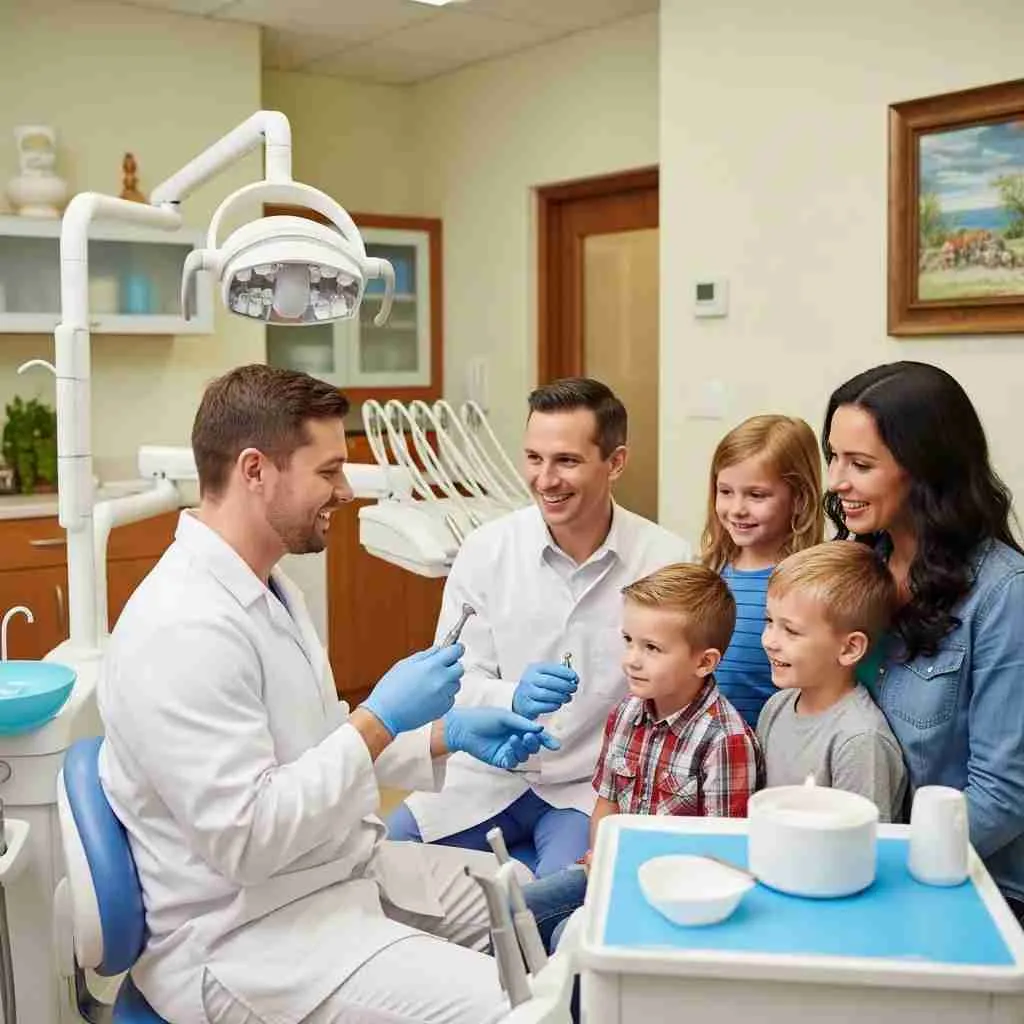
You might be feeling a bit guilty every time you tell your kids to brush, knowing that some nights it turns into an argument, or that flossing “sometimes” gets skipped when everyone is tired. Maybe you have a drawer full of half-used toothpaste tubes and old floss, and you still worry that someone in the family will end up with a cavity or toothache anyway, and you’re not sure when to call a Homer Glen dentist for help.
It often starts small. A little sensitivity when you drink something cold. A child who complains that brushing “hurts.” A partner who snores and wakes up with a dry mouth. Before you know it, you are wondering if you are doing enough at home, and whether you are failing as the family health manager. That feeling is heavy.
You are not failing. Oral care at home is harder than it sounds, especially when you are juggling schedules, budgets, and different personalities. The good news is that a few steady habits can protect your family’s smiles far more than you might think. With a simple routine, some smart choices in the kitchen, and a bit of teamwork, you can create a home version of family dental care that supports what your dentist does in the office.
Here is the short version. Brush twice a day with fluoride toothpaste. Clean between teeth daily. Limit sugary snacks and drinks. Use simple tools like timers and charts to keep kids engaged. And stay alert to small changes in your mouth so you can catch problems early. The rest is about making those habits realistic for your real life.
Why does home oral care feel so hard, even when you know what to do?
On paper, the instructions are simple. Brush two minutes, twice a day. Floss once a day. Yet real life gets in the way. You are tired at night. Mornings are rushed. Kids resist. Partners forget. Because of this tension, you might wonder if the effort is even working.
The truth is, most adults and kids miss the mark on at least one part of their routine. According to public health guidance on oral health tips for adults, many people do not brush long enough or with fluoride, or they skip cleaning between teeth. This is where the problems begin. Sticky plaque sits on teeth, hardens into tartar, and quietly irritates gums day after day. Cavities and gum disease rarely show up overnight. They build over time from these small gaps in daily care.
Emotionally, this can feel unfair. You might think, “We brush. We try. Why do we still get cavities?” Or you may carry memories of your own childhood dental problems and feel scared your kids will repeat the pattern. That worry can make every dental visit feel like a judgment instead of a checkup.
So where does that leave you? You need a home routine that is not just “ideal” but actually doable. One that respects your time and energy, yet still follows what evidence shows really works.
What gets in the way of good home dental care for families?
There are a few common hurdles that almost every family faces.
First, there is confusion about what really matters. There are endless toothbrushes, mouthwashes, and gadgets. It is easy to get distracted by products and miss the basics, like how to brush correctly, how long to brush, and whether your toothpaste has enough fluoride.
Second, there is the emotional side. Kids may say brushing hurts if their gums are already irritated, so they fight it. Teens may be embarrassed about bad breath but still not brush well. Adults may avoid flossing if their gums bleed, not realizing that gentle, regular cleaning is exactly what helps bleeding stop.
Third, there are real financial and time pressures. Even if you see a family dentist for regular checkups, you want to avoid extra procedures, missed school or work, and surprise bills. Strong home care is one of the best ways to reduce those costs. Yet when you are racing between activities, it can be hard to protect those two minutes twice a day.
The solution is not to work harder in random ways. It is to work smarter with a few targeted habits that science supports, and that your family can actually stick with.
How do home habits compare with what your dentist does?
You might wonder how much of the work really happens at home and how much depends on professional care. A simple way to think about it is that your home routine is daily defense, and your dentist provides periodic deep support and early warning.
The table below compares what you can usually handle at home versus what your dental team handles best.
| Area of Care | At-Home Family Routine | Professional Dental Care |
|---|---|---|
| Plaque & tartar control | Brushing with fluoride toothpaste, cleaning between teeth with floss or interdental brushes | Thorough cleanings to remove hardened tartar and polish teeth |
| Cavity prevention | Limiting sugary snacks and drinks, daily fluoride toothpaste use | Fluoride treatments, sealants on children’s molars, early cavity detection |
| Gum health | Gentle brushing at the gumline, daily flossing, not smoking | Gum disease diagnosis, deep cleanings, treatment plans |
| Monitoring changes | Noticing pain, sensitivity, sores that do not heal, or loose teeth | Oral exams, X-rays, screening for infections and other conditions |
| Education & technique | Using what you have learned to guide your routine at home | Personalized coaching on brushing, flossing, and product choices |
When you combine steady home care with regular visits, you create a strong safety net. Resources like this overview of oral hygiene basics show that both sides matter. You do not need perfection at home. You just need consistency.
5 family dentistry tips for maintaining oral health at home
So how do you turn all of this into something your family can actually follow without constant battles or stress?
Here are five practical tips that support a strong family dentistry routine at home and make your dentist’s job easier.
1. Protect the “twice a day” brushing habit with simple structure
Brushing in the morning and before bed is still the foundation. The key is to protect the routine with structure, not willpower.
Use a timer or a song that lasts about two minutes. Many families use a phone timer or a favorite track. Some electric toothbrushes have built-in timers, which helps kids understand how long two minutes really is.
Make brushing a non-negotiable part of getting dressed in the morning and getting ready for bed at night, just like putting on pajamas. The more automatic it feels, the less it becomes a debate.
If you are unsure about the best brushing order or technique, the American Dental Association has a clear guide to a healthy daily dental care routine that you can adapt for your family.
2. Make cleaning between teeth realistic for each age
Flossing or using other tools between teeth is where many families struggle. Instead of aiming for “perfect” flossing from everyone, match the method to the person.
For younger kids, you can use floss picks and do the cleaning for them until they are able to manage the motion on their own. For older children and teens with braces, special floss threaders or small interdental brushes can reach around wires more easily.
Adults who dislike traditional floss might do better with soft picks or a water flosser. The goal is gentle daily cleaning between teeth, not loyalty to one specific product. If gums bleed at first, that is often a sign they need more regular cleaning, not a signal to stop. Bleeding usually improves after a week or two of consistent care.
3. Tame sugar and snacking without constant battles
Food choices have a powerful effect on teeth, especially for kids. Constant snacking or sipping on sugary drinks gives mouth bacteria a steady fuel supply all day. That creates more acid attacks on enamel.
You do not need to cut out every treat. It is more helpful to limit how often teeth are exposed. Try to keep sweets with meals instead of spacing them through the day. Offer water as the default drink between meals. Save juice, soda, and sports drinks for occasional use, not daily habits.
Simple swaps help. Cheese, nuts, yogurt, and crunchy fruits or vegetables are friendlier to teeth than sticky candies or crackers that cling to molars. Involving kids in choosing and preparing snacks can also reduce resistance, since they feel part of the decision.
3 immediate steps you can take today
You might be wondering what you can do right now that does not require new equipment or a special appointment. Here are three practical actions that can start to shift your family’s oral health this week.
Step 1: Do a 5-minute “bathroom audit”
Take a quiet look at what you already have. Check expiration dates on toothpaste and mouthwash. Make sure there is enough fluoride toothpaste for everyone. Look at toothbrush bristles. If they are frayed, it is time to replace them.
Put everyday items where they are easy to see and reach. One cup or caddy per person can help keep things organized. This small reset signals that oral care matters in your home.
Step 2: Choose one “upgrade” to your current routine
Do not try to change everything at once. Pick one upgrade. For example, you might decide that everyone will use a timer for brushing at night. Or you might add flossing three nights a week to start, then build up.
Tell your family what you are changing and why, in simple terms. For kids, you might frame it as “We are training our teeth to be strong” rather than focusing on cavities or fear. For teens and adults, you can connect it to fresh breath, confidence, or avoiding future dental work.
Step 3: Start watching for “early whisper” signs
Many dental problems whisper before they shout. Pay attention to small signs. Sensitivity to hot or cold, bleeding gums when brushing, persistent bad breath, or a sore spot that does not heal within two weeks are all signals to mention to your dentist.
Keeping a simple note on your phone of any changes can help you remember details at your next visit. This kind of awareness turns you into an active partner in your own care, not just a passenger in the chair.
Moving forward with more confidence in your family’s oral health
It is understandable to feel overwhelmed by all the advice about teeth, especially if you have had your own struggles or if your family has already faced cavities or gum issues. You are not alone in that. What matters now is what you do next, not what did or did not happen in the past.
By focusing on a few steady habits, choosing tools that fit your family, and staying alert to early warning signs, you can build an at-home routine that truly supports strong, healthy smiles. A caring family dental care provider can then build on that foundation, not constantly repair damage.
You deserve the peace of mind that comes from knowing you are doing enough at home. Start with one small change today, keep it going, and then layer in the next. Over time, those simple steps add up to a calmer, healthier future for your family’s teeth and gums.