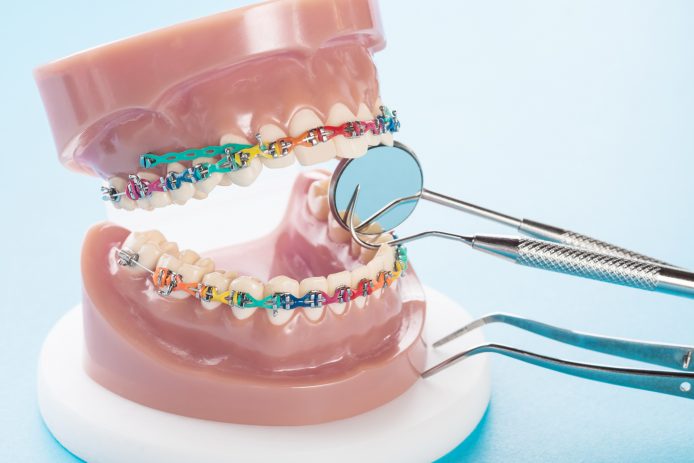
You might be feeling a mix of worry and relief right now. Maybe your dentist has suggested braces for you or your child, or you have been staring at your smile in the mirror, wondering if it is finally time to do something about it. You know orthodontic treatment with an orthodontic dentist Bellevue can help, yet the idea of a long, expensive process with a mouth full of metal is not exactly comforting.end
Because of this tension, you might wonder where to even start. How do you know if you are choosing the right orthodontist. How do you tell whether the treatment plan is truly right for you, not just “standard protocol.”
Here is the short version. Before you agree to anything, there are three core questions to ask your orthodontist. These questions will help you understand your options, what your life will look like during treatment, and what it will cost you in time, money, and comfort. When you have clear answers to them, you can move forward with much more confidence, and much less anxiety.
What are my treatment options, and why are you recommending this one?
Orthodontics is not one size fits all. Years ago, most people thought “braces” meant one thing. Metal brackets, metal wires, and a long, awkward journey. Today, there are many types of appliances and approaches, and each has tradeoffs in visibility, comfort, cost, and how well it can handle specific bite problems.
This is where confusion often starts. You may see ads for clear aligners and think they are always the best. Your friend may swear by traditional braces. Your child might care more about how things look in school photos than anything else. Without a framework, every option can sound good or bad depending on who you talk to.
So, where does that leave you. Start by asking your orthodontist to walk you through all realistic options for your situation. Not every option on the market, but the ones that actually fit your teeth, your bite, and your health.
For example, you can ask:
- Could my case be treated with traditional metal braces, ceramic or tooth colored braces, or clear aligners
- What are the pros and cons of each for my specific teeth and bite
- Are there any newer materials or techniques you would consider for me, and why
The U.S. Food and Drug Administration explains how braces have evolved from older all metal systems to tooth colored and clear options, as well as how different appliances work. You can read more about that in their overview of how braces have changed from metal to more discreet choices.
The key is not just listing options. Ask why your orthodontist is recommending one path over another. A thoughtful answer might sound like this. “Aligners could work for mild crowding, but because you have a deep bite and jaw alignment issues, braces will give us better control and a more stable result.” That kind of explanation shows they are tailoring treatment to you.
What will my treatment look like day to day, and what are the risks?
Once you know the “what,” you need to understand the “how.” Many people say yes to a treatment plan without really knowing what everyday life will feel like, or what can go wrong if things do not go as planned. This is where frustration often appears months later.
You might be wondering:
- How much will this hurt and for how long after each adjustment
- Will I have to avoid certain foods completely
- How often will I need to come in
- What happens if I miss appointments or do not wear aligners as instructed
Orthodontic treatment is very safe when supervised properly, yet it is still medical care. Teeth can become sensitive. Gums can get inflamed if hygiene is poor. In rare cases, roots can shorten or jaw discomfort can appear. MedlinePlus gives a clear, patient focused explanation of what orthodontia is and what treatment can involve, including possible issues.
Ask your orthodontist questions like:
- What are the main risks for someone with my teeth, gums, and health history
- How will you monitor my progress and catch problems early
- What will I need to do at home to keep my teeth healthy during treatment
A caring orthodontist will not brush off these concerns. They will talk honestly about discomfort, adjustments, and the importance of cleaning around brackets or aligners. This kind of open conversation builds trust, which matters a lot when you are committing to a long treatment.
How long will treatment take, and what is the full cost over time?
The third big question is the one many people are afraid to ask directly. How long is this going to take, and what is it really going to cost. Time and money are deeply emotional, especially when you are balancing work, school, and family needs.
Treatment time can vary widely. Some simple alignment issues may take under a year. More complex bite corrections can take two years or more. Short treatment ads can be tempting, but if your bite is complicated, rushing can lead to relapse or jaw discomfort later.
On the financial side, you want a clear picture not just of the headline number, but of everything that might be added. For example:
- Are diagnostic records included, such as X rays, photos, and models
- Are emergency visits covered if something breaks
- Are retainers included at the end, and how many sets
- Is there a fee if treatment takes longer than expected
A transparent orthodontist will explain both the estimated timeline and the cost structure in plain language. They should also talk about how missed appointments, broken brackets, or not wearing aligners can extend treatment and increase costs.
To make this easier to compare, it helps to see a simple side by side view.
| Question to Ask | What You Might Hear | What You Want To Clarify
|
|---|---|---|
| How long will treatment take | “Around 18 months.” | Is that a typical range for cases like mine, and what might make it shorter or longer |
| What is the total cost | “About a certain amount, depending on insurance.” | Does that include records, all visits, emergencies, and retainers, or are those extra |
| How often are visits | “Every 4 to 8 weeks.” | How flexible are appointment times, and what happens if I need to reschedule often |
| What happens if I fall behind | “We will adjust as we go.” | Could that change my cost or timeline, and how will you communicate that to me |
Using these comparison points, you can judge how clear and thoughtful each orthodontist is when you are choosing where to receive care.
Three practical steps before you start orthodontic treatment
Once you know the three key questions to ask your orthodontist, you can turn that knowledge into action. Here are concrete steps you can take right away.
1. Prepare your questions in writing
Before your consultation, write down the three core questions and any personal concerns. For example, if your child plays a wind instrument, if you travel often for work, or if you have a history of gum problems, note that. Bring the list with you. In the moment, it is easy to forget what you meant to ask.
2. Ask for explanations in plain language
When the orthodontist answers, pay attention not just to what they say, but how they say it. Are they patient. Do they explain why they recommend a certain approach. Do they show you your X rays or photos and point out what they are seeing. If you feel rushed or confused, it is okay to say, “I am not sure I understand. Could you explain that in a simpler way.” This is your health. Clear communication is part of good care.
3. Compare at least two treatment opinions
If possible, schedule consultations with at least two providers. Ask each one the same three questions about 3 key questions to ask your orthodontist before treatment, and take notes. Notice differences in recommended options, timelines, and how each orthodontist responds to your concerns. You are not just choosing a technique. You are choosing a partner for the next one to two years of your life.
Moving forward with confidence in your orthodontic care
Orthodontic treatment can feel like a big leap. You are investing time, money, and trust, and you want to know that the end result will be worth it. By focusing on these three questions about your orthodontic treatment planning, you give yourself a clear, steady way to evaluate your options and choose an orthodontist who respects your goals and your reality.
You do not need to know every technical term. You only need to be willing to ask, listen, and speak up when something does not feel clear. That alone can turn a stressful decision into a thoughtful choice, and help you move toward a healthier, more confident smile with much more peace of mind.