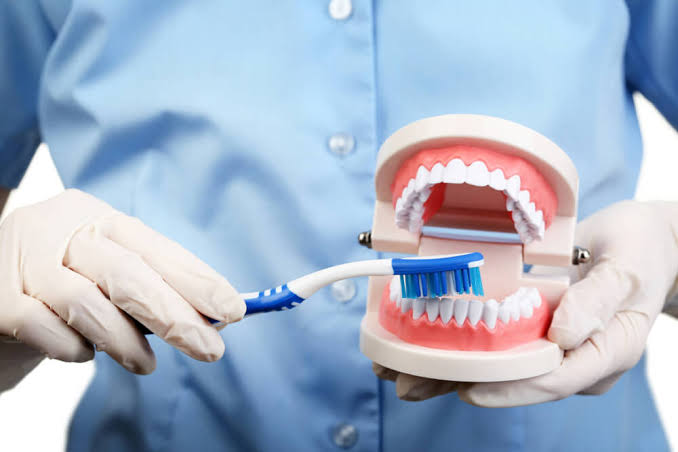
You might be feeling a mix of relief and worry right now. Relief because the filling, crown, or other dental work is finally done by a dentist on Harbourfront Toronto, and worry because a quiet question keeps hanging in the back of your mind. How long is this going to last, and what if it fails sooner than it should.end
Maybe you have had a filling fall out while you were eating, or a crown crack at the worst possible moment. You paid for treatment, took time off work, sat through the appointments, and now you are wondering if you are stuck in a cycle of fix, break, and fix again. It can feel frustrating, and even a bit unfair.
The truth is, modern materials are strong, and good dentistry matters, but the real secret to keeping your restorations for years is what happens after you leave the chair. That is where preventive dentistry to protect dental restorations comes in. In simple terms, the better you care for your teeth and gums, the longer your fillings, crowns, and bridges usually last. The summary is this. Preventive care can slow down decay around restorations, reduce the risk of fractures, save you from repeated treatments, and protect your budget and peace of mind.
So where does that leave you. It means you actually have more control than you might think, and with a few focused habits and regular professional support, you can give your restorations a much longer and calmer life.
Why do restorations fail even when they were “done right”
It often starts quietly. A tiny bit of sensitivity when you drink something cold. A rough edge you feel with your tongue. A dark line near the gum of a crown. You might ignore it at first, because you just had that tooth fixed and you assume it is fine.
Over time, though, small problems can turn into big ones. Decay can sneak in at the margin of a filling. A hairline crack in a tooth can spread. Gums can recede, exposing the edge of a crown. None of this means the original work was bad. It means your mouth is a living, changing environment, and restorations have to survive in it every single day.
Because of this tension, you might wonder what you are really up against. Here are some of the main challenges that slowly shorten the life of restorations.
Cavities forming around existing work. Bacteria do not care that you already had a filling. If plaque sits at the edge of a restoration, decay can start again. This is called recurrent caries, and it is one of the most common reasons fillings and crowns need to be replaced. Evidence based guidelines on caries management from the American Dental Association show that controlling plaque and fluoride exposure is central to preventing this type of breakdown. You can see more about that approach in the ADA’s caries management clinical practice guidelines.
Daily wear and tear from chewing and grinding. Every bite puts pressure on your teeth and any restorations on them. If you clench or grind, especially at night, that pressure multiplies. Even strong materials, described in resources like the NIDCR’s overview of modern dental materials, can chip or fracture under constant stress.
Gum changes that expose margins. If gums become inflamed from plaque or tartar, they can swell then recede over time. When that happens, the previously hidden edge of a filling or crown can become exposed, making it easier for plaque to collect and for decay to start.
Every replacement costs more. Each time a restoration is replaced, a little more natural tooth is usually removed. Financially, the cost often climbs too. A small filling that could have lasted ten years with good preventive care might turn into a crown or even a root canal if decay returns and goes deeper. The emotional toll is real as well. Repeated dental work can drain your energy and your trust.
So how do you step out of this cycle and give your restorations the longest, healthiest life possible.
How does preventive dentistry actually protect your fillings and crowns
Preventive dentistry is not just “getting a cleaning.” It is a strategy that combines your daily habits with professional care to create an environment where restorations last longer and teeth stay stronger.
Think of it as armor for your dental work. You and your dentist share the same goal. Keep what you already have in your mouth working well for as long as possible. Here is how that happens.
1. Controlling plaque to stop decay at the edges. When you brush and floss carefully, you are not only protecting natural tooth surfaces. You are protecting the delicate edge where tooth meets restoration. The CDC offers simple, realistic tips for adults on brushing, flossing, and fluoride that make a real difference day after day. You can review those in their guide to oral health tips for adults.
2. Strengthening tooth structure with fluoride and diet. Fluoride toothpaste, mouth rinses, and sometimes professional fluoride treatments help keep the tooth around a restoration hard and more resistant to acid attacks. What you eat and drink matters too. Frequent snacking on sugary or acidic foods gives bacteria more fuel and weakens the enamel near your fillings and crowns.
3. Catching small problems during regular visits. Professional checkups and cleanings give your dentist and hygienist the chance to spot tiny cracks, early decay, or gum changes near restorations before they turn into bigger trouble. Often, small repairs or adjustments can extend the life of the original restoration instead of replacing it entirely.
4. Protecting against grinding and heavy bite forces. If you clench or grind, a custom night guard can protect your restorations from constant force. Adjusting your bite when needed can also help distribute pressure more evenly, reducing the risk of fractures or loosened crowns.
This is the heart of preventive care to extend restoration lifespan. You are not just reacting when something breaks. You are quietly lowering the risk that it will break in the first place.
Is it worth the effort? A practical comparison of “fix it later” vs preventive care
It is natural to wonder whether all this extra care really pays off. A simple comparison can help make the tradeoffs clearer.
| Approach | What it looks like day to day | Impact on restorations | Typical long term cost and stress |
|---|---|---|---|
| “Fix it when it hurts” approach | Irregular checkups. Brushing but rarely flossing. Waiting until there is pain or a broken tooth before calling the dentist. | Higher chance of decay around fillings and crowns. More sudden fractures or emergencies. Restorations often need replacement sooner. | More urgent visits. Higher costs per visit. Greater chance of needing larger treatments like crowns, root canals, or extractions. |
| Preventive dentistry approach | Regular 6 to 12 month checkups. Consistent brushing and flossing. Fluoride use and mindful snacking. Night guard if needed. | Lower risk of recurrent decay. Earlier detection of wear or cracks. Restorations often last years longer before needing replacement. | More predictable visits. Smaller, planned costs over time. Fewer emergencies and less anxiety about sudden dental problems. |
When you see it side by side, the tradeoff becomes clearer. Preventive habits ask for small, steady effort. In return, they usually offer longer lasting restorations, fewer surprises, and more control over your time and money.
Three practical steps to start protecting your restorations today
You do not need to overhaul your entire routine overnight. A few focused changes can quickly start working in your favor.
1. Make your daily cleaning “restoration aware”
Instead of just brushing generally, pay special attention to the edges of fillings and crowns. Use a soft toothbrush and fluoride toothpaste. Spend a few extra seconds where tooth and restoration meet. Floss gently around any crowns or bridges, guiding the floss under the contacts without snapping it. If you have tight spaces or dental work in tricky spots, ask your dentist or hygienist about tools like interdental brushes or floss threaders that can make the job easier.
2. Schedule and keep regular preventive visits
Even if everything feels fine, regular checkups and cleanings are your early warning system. They allow your dentist to monitor how your restorations are aging, clean away plaque and tartar you cannot reach at home, and spot small issues like early decay or hairline cracks. If you tend to delay visits because of anxiety or past experiences, share that honestly with the office. Many practices are prepared to move gently and at your pace.
3. Protect your teeth from “silent” stress
If you wake up with jaw soreness, headaches, or notice flat or chipped edges on your teeth, mention it during your next visit. Grinding or clenching, especially at night, can significantly shorten the life of your restorations. A custom night guard, small bite adjustments, or even simple stress management techniques can ease that constant pressure. Also, try to limit using your teeth as tools. Avoid opening packages with them or crunching on ice or very hard foods, which can crack both tooth and restoration.
Moving forward with more control and less worry
You have already done something important by getting your dental work completed. The next step is to protect that investment so you are not repeating the same treatments again and again. Preventive dentistry is not about perfection. It is about small, consistent choices that support your restorations and your overall oral health.
With a thoughtful home routine, regular professional care, and some awareness of the forces on your teeth, you can significantly increase how long your fillings, crowns, and other restorations serve you. You deserve teeth that feel stable and reliable, and you deserve fewer surprises in the dental chair.
If you have concerns about a specific restoration, or you are unsure where to start, bring those questions to your general dentist. A simple, honest conversation can turn that quiet worry into a clear, realistic plan to protect your smile for years to come.