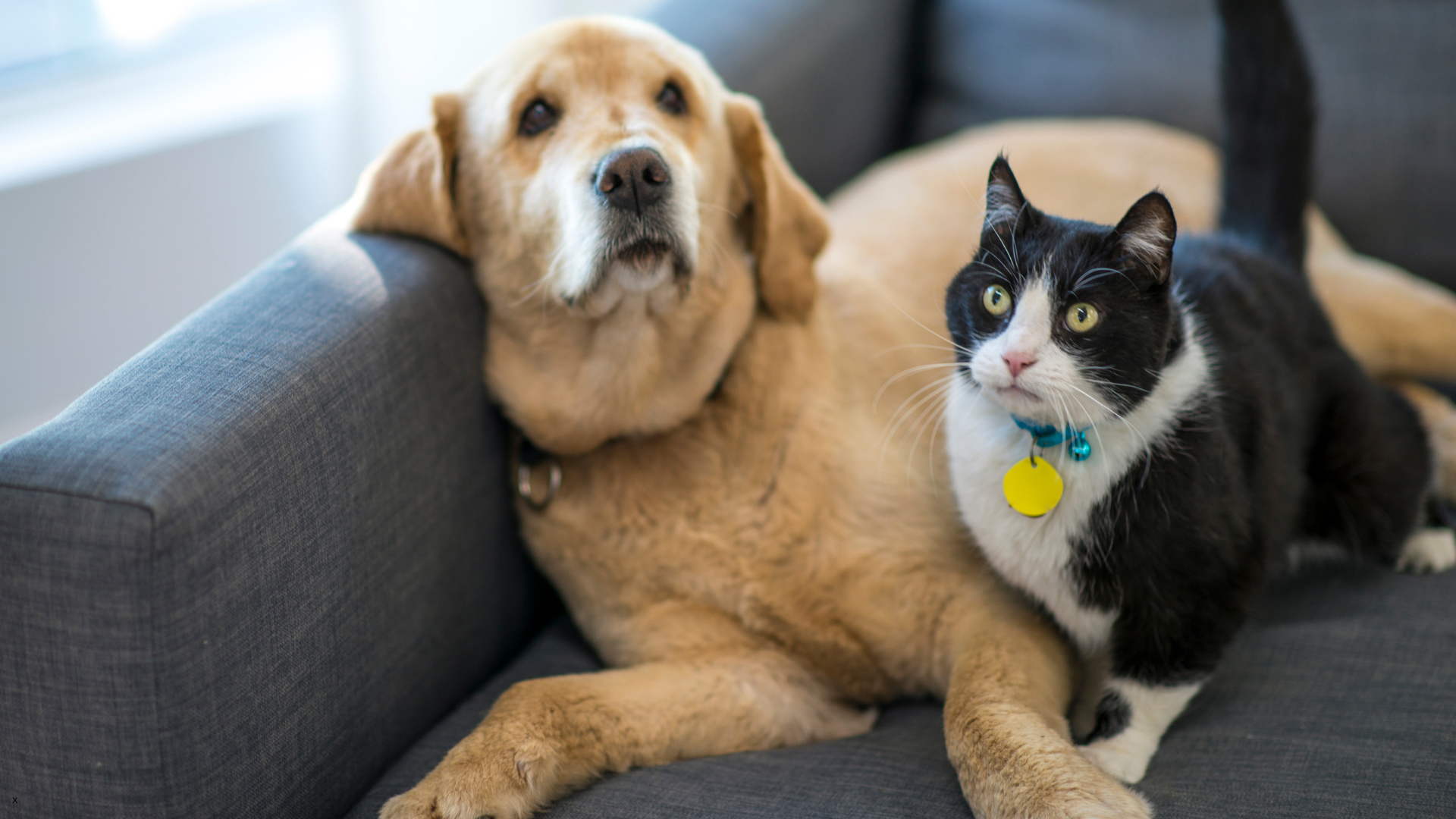
You might notice it starts long before you even pull into the parking lot. Your dog begins to pace, your cat disappears under the bed, and your own chest tightens because you know what is coming. The shaking, the panting, the wide eyes, and that feeling that you are forcing someone you love into something that terrifies them is exactly what a Sudbury, ON veterinarian understands and works every day to ease.
After the visit, you go home exhausted. Your pet hides or sleeps the rest of the day, and you are left wondering if it really has to be this hard. You know vet care is essential, yet you wish there was a way for your pet to get help without so much fear.
The good news is that many animal hospitals are changing how they work so that visits are calmer, kinder, and far less scary for animals and for you. They use gentle handling, smart clinic design, careful timing, and even behavior medications when needed, all to create a more < strong> stress-free veterinary visit.
So where does that leave you today? It means you can start to look for an animal hospital that understands fear and stress, and you can prepare your pet in ways that make each visit easier than the last.
Why vet visits feel so stressful for pets and for you
Think about the visit from your pet’s point of view. Strange smells. Slippery floors. Other animals making noise. People leaning over them and touching sensitive areas. Many pets remember past pain or fear, so even the parking lot can trigger panic.
Because of this tension, you might notice a few common patterns. Dogs may drool, pant, or refuse to enter the building. Cats may hiss, scratch, or shut down completely. You might feel embarrassed, guilty, or rushed while trying to manage all of that in a busy waiting room.
There is also a hidden cost. When visits are traumatic, you may start to postpone routine care. Vaccines get delayed. Dental cleanings are pushed off. Subtle problems like arthritis or kidney disease can go unnoticed until they are more serious and more expensive to treat.
You are not alone in this. Veterinary behavior experts and organizations such as the AVMA have been working for years on ways to create low stress animal hospital experiences. They share practical guidance on how to make vet visits less frightening for pets, and more clinics are building these ideas into their daily routines.
What are animal hospitals actually doing to reduce fear and stress
So, what does a truly fear-aware animal hospital look like in practice? It often starts before you ever walk through the door.
Some clinics coach you on how to prepare at home. For dogs, that might mean getting them used to car rides that do not always end at the vet. For cats, it often means keeping the carrier out all the time, adding soft bedding and treats, and moving it gently so the carrier itself does not signal panic. Veterinary behaviorists at Cornell, for example, offer detailed tips on making veterinary visits less stressful for dogs.
Inside the animal hospital, small changes add up. Separate waiting areas for cats and dogs. Calming pheromone sprays in exam rooms. Soft, non-slip mats on the table. Staff who move slowly, speak softly, and give your pet time to sniff and settle instead of rushing straight into procedures.
Handling techniques matter as well. Many teams use “less is more” restraint. That means supporting the animal’s body in a way that feels safe, using towels or gentle holds, rather than wrestling or pinning. They pair this with food rewards, so your pet learns that good things happen when they are touched or examined.
For some pets, especially those with a history of trauma or severe anxiety, medication is not a last resort. It is a kindness. Research supported by Cornell has looked at medications such as clonidine for reducing behavioral and physical signs of stress during veterinary visits. You can see an example of this kind of work in their summary on the effects of clonidine on dogs during vet visits.
Because of all this, more animal hospitals are moving toward a fear free animal hospital experience, where the goal is not just to treat disease, but to protect your pet’s emotional health every step of the way.
Comparing traditional vet visits with stress-aware care
You might wonder how much difference these changes really make. Is it just a nicer waiting room, or does it affect your pet’s health and your experience in a real way?
The table below compares a more traditional visit with a stress-aware approach in a typical animal hospital.
| Aspect of Visit | Traditional Experience | Stress Aware Experience |
|---|---|---|
| Before the visit | No guidance on prep. Pet often only travels for vet care, so the car and carrier trigger fear. | Team offers prep tips. Car and carrier training, treats, and practice visits reduce fear signals. |
| Arrival and waiting | Crowded waiting room. Dogs and cats mixed together. Long waits increase anxiety. | Separate areas, or “wait in car” check-in. Faster rooming. Calming music and pheromones. |
| Handling in exam room | Quick, firm restraint. Little time for the pet to adjust. Few food rewards used. | Gentle handling, slow movements, liberal use of treats. Breaks if the pet is overwhelmed. |
| Procedures | Push through even if the pet is panicking. May need heavy restraint. | Procedures are paused or split across visits if fear is high. Pre-visit meds considered. |
| Impact on future visits | Fear often worsens with each visit. Owner may start to avoid routine care. | Trust grows over time. Pet copes better. Owner feels less guilt and stress. |
When you compare the two, you can see how a stress-aware approach not only feels better in the moment, it also makes it easier for your pet to get regular, preventive care. That can mean earlier detection of issues, fewer emergencies, and a stronger bond between you and your animal hospital team.
Three practical steps you can take before your pet’s next vet visit
You do not have to change everything at once. A few focused actions can improve your pet’s experience and help you advocate for the kind of care you want.
1. Start “vet visit training” at home in small, kind doses
For dogs, pair the car with short, pleasant trips that do not end at the clinic. Practice getting in and out, then reward with a walk or a game. Gently handle their paws, ears, and mouth while feeding tiny treats, so exam touches feel more familiar.
For cats, keep the carrier out in a quiet room all the time. Add a soft blanket and favorite treats inside. Let your cat go in and out freely. Once they are relaxed, close the door for a few seconds, then open and reward. Gradually increase how long the door stays closed, then add short, calm car rides.
2. Ask your animal hospital what they do to reduce stress
When you call to schedule, you can say something like, “My pet gets very anxious at the vet. What do you do to make visits less stressful?” A clinic that takes stress seriously will usually mention things like separate waiting areas, gentle handling, use of treats, or the option to wait in your car.
If your pet has a history of severe fear or aggression at the vet, ask specifically about pre-visit medications or behavior support. A good team will not judge you. They will appreciate the chance to plan ahead for a calmer visit.
3. Plan the day of the visit with calm in mind
Try to schedule at a quieter time of day if possible. Give yourself extra time so you are not rushing. Bring high-value treats your pet only gets on special occasions. For some animals, a familiar blanket or toy that smells like home can help.
Once you arrive, speak up. If the waiting room feels too busy, ask if you can check in from your car and wait there until an exam room is ready. Let the staff know what tends to scare your pet and what usually helps. You are not being difficult. You are giving them the information they need to care for your pet’s emotional well-being.
Moving toward calmer animal hospital visits over time
It is easy to feel discouraged if past visits have been scary. You might worry that your pet is “just anxious” and that nothing will help. Change will not happen overnight, yet each kinder experience begins to rewrite your pet’s story about the vet.
Animal hospitals that focus on gentle handling, thoughtful environments, and behavior support are not offering anything fancy. They are simply honoring the fact that your pet’s feelings matter as much as their lab results. Over time, that respect builds trust for both of you.
You do not need to have all the answers right now. Start with one small step. Prepare a little more at home. Ask one more question when you schedule. Share one concern you have held back before. Each of those choices moves you closer to the calmer, kinder animal hospital experience your pet deserves.