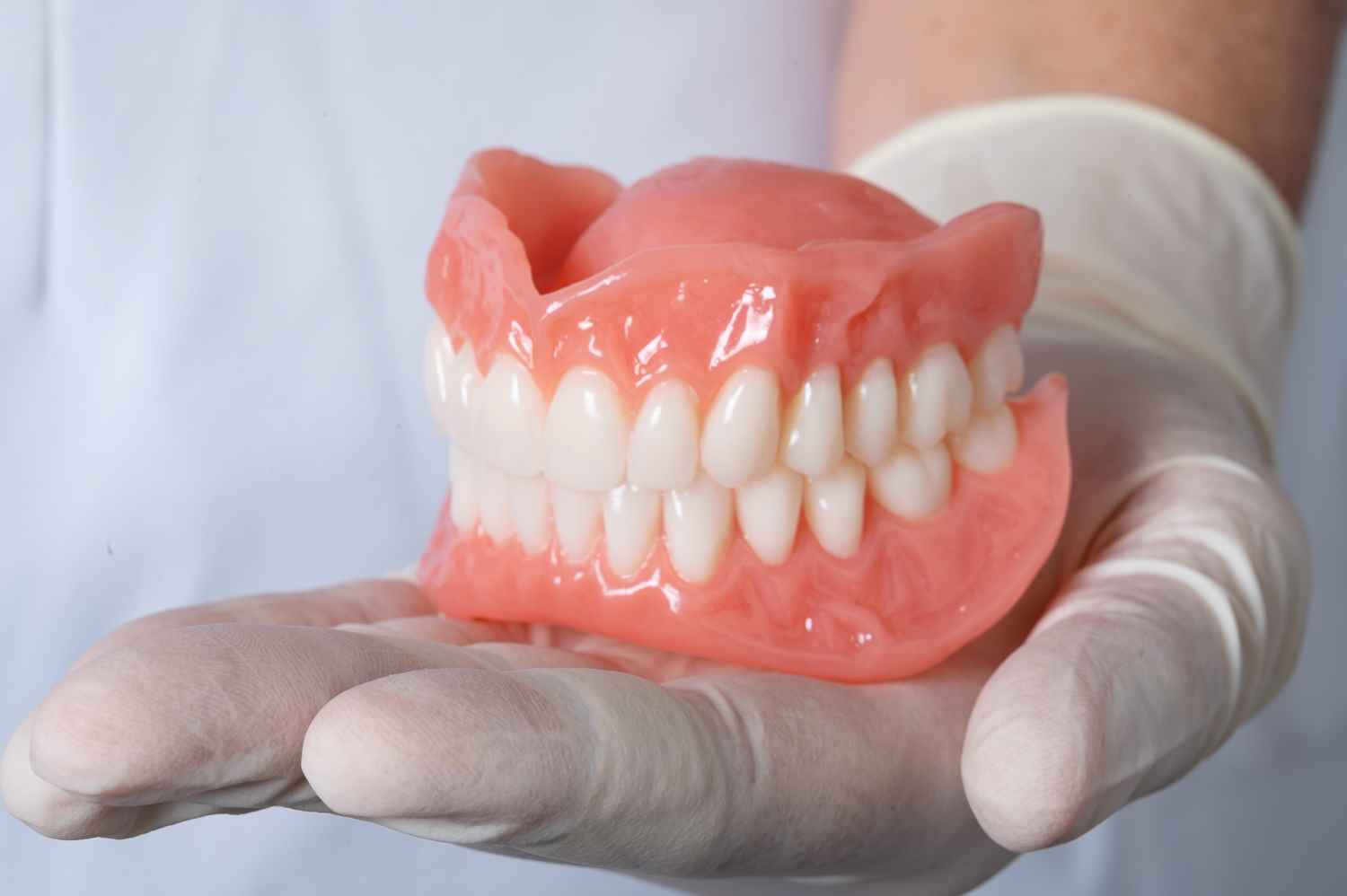
You might be feeling a mix of worry and frustration every time you look in the mirror or sit down to eat. Maybe you are hiding your smile in photos. Maybe certain foods feel off limits now. Or perhaps you already have dentures that rub, slip, or click, and you are wondering if this is just how things have to be from now on. A dentist in Scarsdale, NY can help you explore comfortable, long-term solutions.
At the same time, you keep hearing about dental implants, “all-on” options, and special denture and implant dentists. It can feel like a lot. You do not want to make an expensive mistake. You just want to feel normal again when you smile, talk, and eat.
Here is the short version. Modern denture and implant specialists focus on rebuilding your mouth in a way that respects your comfort, your budget, and your long-term health. They help you understand when traditional dentures are enough, when implants might change your daily life, and how to move forward step by step instead of guessing in the dark.
So where does that leave you right now? It leaves you at a crossroads, and that is exactly where a denture and implant dentist can be most helpful.
Why missing teeth feel bigger than “just a dental problem”
To other people, missing or damaged teeth might seem like a small thing. For you, it touches nearly every part of your day. You might avoid certain restaurants because you cannot chew steak or crunchy salads. You might talk less in meetings or social events because you worry someone will notice your teeth or your denture slipping. Even laughing can feel risky if you are afraid something will move or fall out.
On top of that, there is the quiet fear about your long-term health. You might have heard that missing teeth can affect your jawbone, your bite, and even your nutrition. You are not imagining that. When teeth are gone, the bone in that area can slowly shrink. Over time your face shape can change and dentures can become loose and uncomfortable. MedlinePlus has a clear overview of how dentures work and what to expect, and it confirms that changes in fit over time are very common.
Because of all of this, you might feel stuck between two worries. On one side, the fear of doing nothing and watching things get worse. On the other, the fear of spending money on the wrong solution. So how do you sort through the noise?
What exactly does a denture and implant specialist do for you?
A modern denture and implant specialist does more than just “make teeth.” Think of this dentist as someone who studies the way your mouth, jaw, and face work together. Their job is to rebuild not just your smile, but also your bite, your speech, and your confidence.
Here is what that often includes:
1. Careful listening and planning
A good specialist starts by asking about your daily life. What foods do you miss. Do you talk on the phone a lot. Are you caring for other health issues like diabetes or osteoporosis. These details shape whether removable dentures, implant supported dentures, or single dental implants make the most sense for you.
2. Honest talk about your bone, gums, and health
Implants are not just about the tooth you see. They need healthy bone and gums underneath. Your dentist will usually take scans or X-rays to see if your jaw can hold implants safely. The National Center for Biotechnology Information explains the basics of dental implant biology and healing, and it highlights why bone quality really matters.
3. Matching you with the right kind of replacement
Modern care offers several paths, such as:
- Traditional full or partial dentures that rest on your gums
- Dentures that “snap” onto a few implants for better stability
- Fixed bridges on implants that stay in your mouth all the time
- Single implants to replace one or a few missing teeth
The specialist’s role is to walk you through each option, not as a sales pitch, but as a set of tradeoffs. What will it feel like. How long will it last. How easy will it be to clean. What will it really cost over the next 5 to 10 years.
4. Supporting you emotionally through the process
Tooth loss is personal. You may feel ashamed or “old” or worried what others will think. A seasoned dentist in modern denture and implant care understands that this is not just a technical fix. You should feel heard, not judged. You should feel that your questions are welcome, no matter how small they seem.
What happens if you ignore the problem or try to “tough it out”
It is very human to say, “I will deal with it later.” Especially when money or fear of treatment is involved. The trouble is that with missing teeth, “later” can come with a higher cost.
Here are a few common outcomes when someone waits too long:
- More bone loss. As bone shrinks, it becomes harder to place implants without extra procedures like bone grafts, which can add time and cost.
- Worsening bite and jaw pain. Remaining teeth work overtime and can shift or crack. This can lead to joint pain in the jaw and headaches.
- Nutrition and digestion issues. If you avoid healthy foods because they are hard to chew, your body can miss important nutrients.
- Strain on confidence. The longer you live with a smile you do not like, the more it can shape how you show up at work, with family, or in new relationships.
On the other hand, rushing into the first “deal” you see online or choosing a quick, low-cost clinic without proper planning can create a different set of problems. Poorly fitting dentures or badly placed implants can be painful and expensive to fix.
So you are not wrong to be cautious. You just need a clear way to compare your options.
How dentures and implants compare in real life
Every mouth is unique, yet there are patterns that can help you think more clearly about your choices. The table below offers a simple comparison between traditional dentures and implant supported options, so you can see how they differ in daily life.
| Aspect | Traditional Dentures | Implant Supported Options |
|---|---|---|
| Stability while eating and speaking | May move or slip, especially lower dentures | Much more stable, often feels closer to natural teeth |
| Effect on jawbone over time | Bone tends to shrink, which can change fit | Implants help stimulate bone and slow bone loss |
| Comfort | Can cause sore spots or rubbing if fit changes | Usually fewer sore spots once healed and adjusted |
| Cleaning and care | Usually removed for cleaning, may use adhesives | Some snap out for cleaning, others are brushed like natural teeth |
| Upfront cost | Lower initial cost | Higher initial cost, especially with multiple implants |
| Long term cost | Relines and replacements needed as bone changes | Implants can last many years with proper care, though parts may need maintenance |
| Adaptation period | Can take time to get used to speaking and chewing | Healing time for implants, then smoother function for many people |
MedlinePlus also explains the normal healing process after tooth removal in its overview of tooth extraction and recovery. That healing stage is often the first step before you can safely move toward dentures or implants, so understanding it can help you plan your timing and expectations.
Three practical steps you can take right now
You do not have to decide everything today. You do not even have to know whether you want dentures, implants, or something in between. You only need to take the next clear step.
1. Get a thorough, no-rush evaluation
Schedule a visit with a dentist who routinely provides both dentures and implants. Ask for a full exam that includes X-rays or scans of your jaw, a review of your medical history, and a conversation about your daily life. Notice how the dentist communicates. Do you feel rushed. Do you feel heard. A good partner in your care will give you time, explain things in plain language, and welcome your questions.
2. Ask for at least two written treatment paths
Instead of accepting a single “take it or leave it” plan, ask the dentist to outline at least two options. For example, one might be traditional dentures now with the possibility of adding implants later. Another might be implant supported dentures right away. Ask for clear estimates of time, visits, and cost for each path. This turns an emotional decision into a practical comparison.
3. Prepare your own question checklist
Before your appointment, write down what you really care about. Maybe it is eating certain foods. Maybe it is avoiding removable teeth. Maybe it is staying within a strict budget. Bring that list and read from it during the visit. Some helpful questions include:
- How will this choice affect my jawbone over the next 5 to 10 years.
- What will maintenance look like. Will I need relines or part replacements.
- What are the most common problems patients run into with this option.
- If this were your mouth, and my budget, what would you choose and why.
You are not being difficult by asking these things. You are being wise.
Moving forward with more confidence and less fear
Tooth loss can make you feel as if you have lost control over something very personal. The truth is, you still have choices. Modern denture and implant dentist care is designed to give you back stability, comfort, and confidence, one step at a time.
You deserve to smile without thinking about it. You deserve to enjoy a meal without planning around your teeth. The path there may involve traditional dentures, implants, or a mix of both, but you do not have to figure it out alone.
Your next move is simple. Reach out to a dentist who focuses on dentures and implants, ask for a thoughtful evaluation, and use what you have learned here to guide your questions. You are not starting from zero. You are starting from informed.