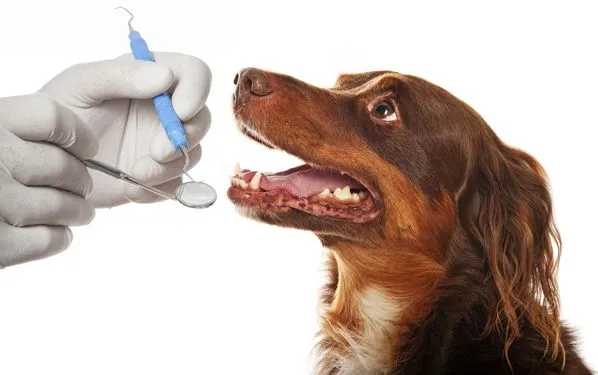
You might be staring at a treatment estimate right now at a Queen St West Toronto veterinarian, seeing the word “anesthesia” and feeling your stomach drop. Maybe your dog needs a dental cleaning, or your cat needs surgery, and everything sounds routine until you remember that anesthesia is involved. That is when the “what if” thoughts start spinning.end
You are not overreacting. Anesthesia feels scary because it means your pet is completely in someone else’s hands. You cannot explain to them what is happening, and you cannot ask how they feel. Because of that, you may be wondering whether anesthesia at an animal hospital can ever be truly safe.
Here is the short version of what you need to know. Modern veterinary anesthesia is carefully planned, closely monitored, and far safer than most people think. Animal hospitals use pre-anesthetic exams, blood work, tailored drug plans, continuous monitoring, and recovery care to reduce risks at every step. Your role is to ask questions, share your pet’s history, and choose a hospital that follows these standards.
Once you understand how safe anesthesia for pets is actually achieved, the word “anesthesia” becomes less of a threat and more of a tool that allows needed care without pain or fear.
Why does anesthesia for pets feel so frightening to you?
Part of the fear is the lack of control. You cannot be in the operating room. You cannot see what the team is doing. All you know is that your pet will be asleep, and something could go wrong. If you have heard stories from other owners or read alarming things online, your mind will fill in the gaps with worst case scenarios.
There is also the emotional weight. For many people, a pet is a family member. The idea of “putting them under” can trigger guilt. You may wonder if the procedure is really necessary, or if you should delay it, or if you are being selfish for choosing comfort or convenience over safety.
Then there is the money side. Anesthesia often adds a significant cost to procedures. You might ask yourself whether extra tests or monitoring are truly needed, or if they are just “extras” being sold to you. When you do not understand what those steps actually do, it is easy to feel torn between your budget and your pet’s safety.
So where does that leave you? Worried, confused, and trying to make a big decision with limited information. That is exactly why it helps to see how animal hospitals approach anesthesia step by step.
What actually happens before your pet is given anesthesia?
The safety work starts long before your pet is ever anesthetized. Most animal hospitals follow a structure similar to the one described by the American Veterinary Medical Association’s guidance on pet anesthesia. The goal is simple. Understand your pet’s health well enough to customize the plan and avoid surprises.
Here is what that usually includes.
1. Pre-anesthetic exam and history
Your veterinarian will examine your pet’s heart, lungs, temperature, weight, and overall condition. They will ask about past anesthetic events, medications, supplements, previous reactions, and any chronic illnesses. This is the moment to mention even small concerns, like coughing after exercise or drinking more water than usual.
2. Screening tests and risk classification
Blood tests and sometimes imaging help check organ function, especially liver and kidneys, which process anesthetic drugs. Based on this, your pet is usually assigned an anesthesia risk category, such as the ASA (American Society of Anesthesiologists) status. A healthy young dog having a simple procedure is a lower risk than a senior cat with kidney disease. The plan is then matched to that risk.
3. Tailored drug plan and pre-medication
There is no single “one size fits all” anesthetic. The veterinarian chooses specific drugs and doses for sedation, pain control, and anesthesia based on size, age, and health. Pre-medications help reduce anxiety and pain, which means less anesthetic is needed overall. For older or fragile pets, this careful tailoring is one of the most important parts of anesthesia safety in veterinary care.
How do animal hospitals keep your pet safe during anesthesia?
Once your pet is anesthetized, the focus shifts to constant observation. A well run animal hospital treats anesthesia like flying a plane. Takeoff, flight, and landing are all monitored, and no one assumes things will “just go fine” on their own.
Dedicated monitoring
Throughout anesthesia, your pet’s heart rate, breathing rate, blood pressure, oxygen levels, and often body temperature are watched. Some hospitals assign a dedicated veterinary technician or nurse whose main job is to monitor and record these values. If any number starts to drift, the team can react quickly by adjusting gas levels, fluids, or medications.
Modern equipment and trained teams
Many animal hospitals use similar monitoring tools to those used in human medicine. Pulse oximeters, capnography to measure exhaled carbon dioxide, ECG, and blood pressure monitors are common. In specialty centers, anesthesia is often overseen by veterinarians with advanced training in anesthesiology. For an example of how detailed this can be, you can look at the anesthesiology services at Cornell University’s veterinary hospital.
Pain control during and after
Pain management is not separate from anesthesia. It is part of it. Good pain control before, during, and after the procedure allows for lighter anesthesia, smoother recovery, and less stress on the body. This is a key part of modern animal hospital care and a big reason why outcomes are better than they were years ago.
What about recovery, and when do most problems occur?
Many owners assume the biggest risk is while the pet is “fully under.” In reality, a significant portion of complications across studies occur during recovery, when the pet is waking up and body systems are re-adjusting.
This is why hospitals do not simply turn off the gas and walk away. Your pet is monitored as they wake up. Their temperature, breathing, and comfort are checked. They are kept warm and supported as needed with oxygen or fluids. Only when they are stable are they moved from the recovery area.
At discharge, the team explains what you should watch for at home. Things like excessive grogginess, trouble breathing, pale gums, or ongoing vomiting are flagged as reasons to call. When you follow those instructions closely, you become part of the safety net.
Comparing risks and benefits of anesthesia for pets
It can help to see the tradeoffs in front of you. Many procedures feel optional until you look at what happens if you avoid them.
| Situation | If you proceed with anesthesia | If you avoid anesthesia |
| Dental cleaning for moderate to severe dental disease | Short term anesthetic risk. Pain relieved. Infection reduced. Lower risk of tooth loss and some heart or kidney complications linked to chronic dental disease. | Ongoing mouth pain. Bad breath. Infection under the gums. Higher chance of tooth loss and potential impact on other organs over time. |
| Spay or neuter in a young, healthy pet | Brief anesthetic exposure. Reduced risk of certain cancers. No unplanned litters. Often fewer behavior issues related to hormones. | Zero anesthetic risk now. Ongoing risk of uterine infection in females and some cancers in both sexes. Risk of accidental litters. |
| Mass removal in a middle aged or senior pet | Anesthetic risk guided by blood work and monitoring. Chance to remove and test the mass early, which can change long term outcome. | Mass may grow, ulcerate, or spread. Future surgery may be longer and riskier. Pain or discomfort may increase. |
| Orthopedic surgery after a fracture or ligament tear | Anesthesia and surgery now. Potential return to comfortable function. Less chronic pain when healing goes well. | Long term pain. Abnormal gait. Possible muscle loss or arthritis. Some injuries may never heal well without surgical support. |
This is not to minimize the risk of anesthesia. It is to show that avoiding anesthesia also carries risk. Safe, well monitored veterinary anesthesia is often what allows your pet to have a longer and more comfortable life.
Three practical steps you can take before your pet’s anesthesia
1. Ask direct questions about how the hospital handles anesthesia
You are not being difficult by asking. You are being responsible. Some questions you can use are:
- Who will be monitoring my pet during anesthesia and recovery?
- What equipment do you use to track heart rate, breathing, and blood pressure?
- Will my pet have pre-anesthetic blood work and an exam the day of the procedure?
- How do you manage pain before, during, and after the procedure?
The answers should be clear and confident. If anything is confusing, ask for a simpler explanation. A good team will not rush you.
2. Share your pet’s full medical story
Tell your veterinarian about every medication, supplement, and previous reaction your pet has ever had. Mention fainting episodes, coughing, changes in drinking or urination, or exercise intolerance. Bring records if you have seen other clinics. The more complete the picture, the safer the anesthesia plan.
Follow pre-anesthetic instructions carefully. If you are told to withhold food after a certain time, do it. It reduces the risk of vomiting and aspiration. If water is allowed, confirm the cut off time. These small details matter.
3. Plan for the recovery period at home
Set up a quiet, comfortable space where your pet can rest without other pets or children bothering them. Ask what signs would be normal grogginess and what would be a red flag. Clarify who you can call if you are worried after hours.
Have any prescribed pain medications filled and ready before the procedure if possible. Use a written schedule to track doses so you do not miss or double up when you are tired or stressed. This keeps your pet comfortable and reduces the chance of complications.
Finding your balance between fear and trust
You will probably never feel completely relaxed about anesthesia, and that is understandable. You care deeply about your pet, and you are being asked to trust people and processes you cannot fully see. That tension is real.
What you can do is replace some of the fear with informed caution. Understanding how animal hospitals structure pet anesthesia safety, asking direct questions, and choosing a team that communicates clearly will shift the feeling from “I hope this goes okay” to “We have done everything reasonable to keep my pet safe.”
Your worry comes from love. When that love is paired with good information and a careful veterinary team, anesthesia becomes a tool, not a threat. It opens the door to treatment, relief of pain, and a better quality of life for the animal who depends on you.