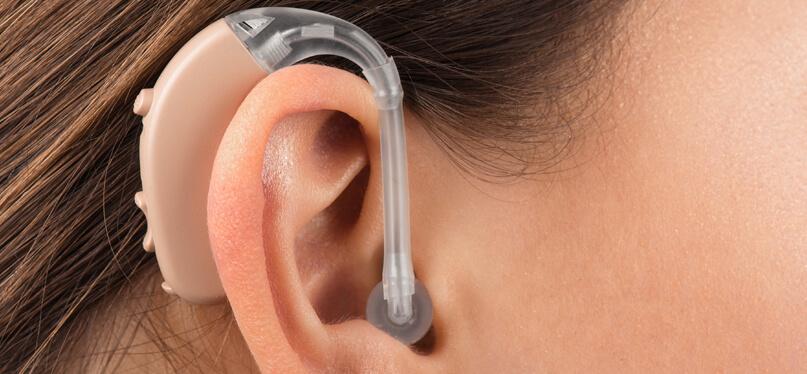
Choosing a hearing aid is rarely as simple as picking the smallest device available or selecting the model with the most advanced features. Hearing needs differ from person to person, and daily routines can influence which type of device feels most practical over time. For some people, discretion matters most, while others prioritise comfort, battery life, or sound clarity in busy environments. Finding the best hearing aid often comes down to balancing these priorities in a way that supports everyday life rather than focusing on one feature alone.
Modern hearing aids have changed significantly in recent years. Smaller designs now offer stronger performance than many people expect, while larger devices have become more refined and comfortable. This has created more flexibility for users, but it has also made the decision-making process more complicated. The right device for one person may feel completely unsuitable for someone else depending on lifestyle, hearing level, and personal preference.
One of the biggest considerations is visibility. Many people initially prefer the idea of a nearly invisible hearing aid because they want the device to blend naturally into daily life. Smaller in-ear designs can provide that level of discretion, which may help some users feel more confident, especially during the adjustment period.
However, smaller designs can sometimes involve trade-offs. Compact devices may have smaller batteries, fewer onboard controls, or limitations in certain listening environments. This does not mean they are less effective overall, but it does mean that priorities need to be considered carefully rather than focusing on appearance alone.
Larger hearing aids, particularly behind-the-ear styles, are often associated with stronger sound processing and easier handling. They may offer better battery performance, more advanced connectivity, and stronger amplification for individuals with more significant hearing loss. For some users, these practical advantages outweigh concerns about visibility.
Comfort also becomes increasingly important over time. A hearing aid may perform well technically, but if it feels uncomfortable during extended wear, it is unlikely to remain practical long term. This is why fitting and adjustment matter so much. Devices that initially seem ideal may require modifications before they feel natural during daily use.
Listening environments should also influence the decision. Someone who spends most of their time in quiet settings may have different priorities from someone regularly attending meetings, restaurants, or busy social gatherings. Background noise management, directional microphones, and speech clarity become far more important in more demanding environments.
Technology has also become a major part of modern hearing aid design. Many devices now connect directly to smartphones, televisions, and other digital systems. Features such as app-based adjustments and streaming capabilities have changed how people interact with hearing aids, making them feel more integrated into everyday technology rather than purely medical devices.
At the same time, not everyone wants extensive digital controls or advanced settings. Some users prefer simplicity and reliability over additional features they may rarely use. This highlights an important point: the most advanced option is not automatically the best choice.
Adaptation is another factor often underestimated. Hearing aids do not simply restore hearing instantly in the way many people expect. The brain needs time to adjust to amplified sounds, especially if hearing loss has developed gradually over many years. Comfort, sound quality, and overall satisfaction often improve over time as users become more familiar with the device.
Ultimately, choosing a hearing aid is about more than appearance or technical specifications. It is about finding a device that fits naturally into everyday life while supporting communication, confidence, and comfort.
In the end, the right hearing aid is not necessarily the smallest or the most powerful. It is the one that feels usable, effective, and sustainable for the individual wearing it every day.