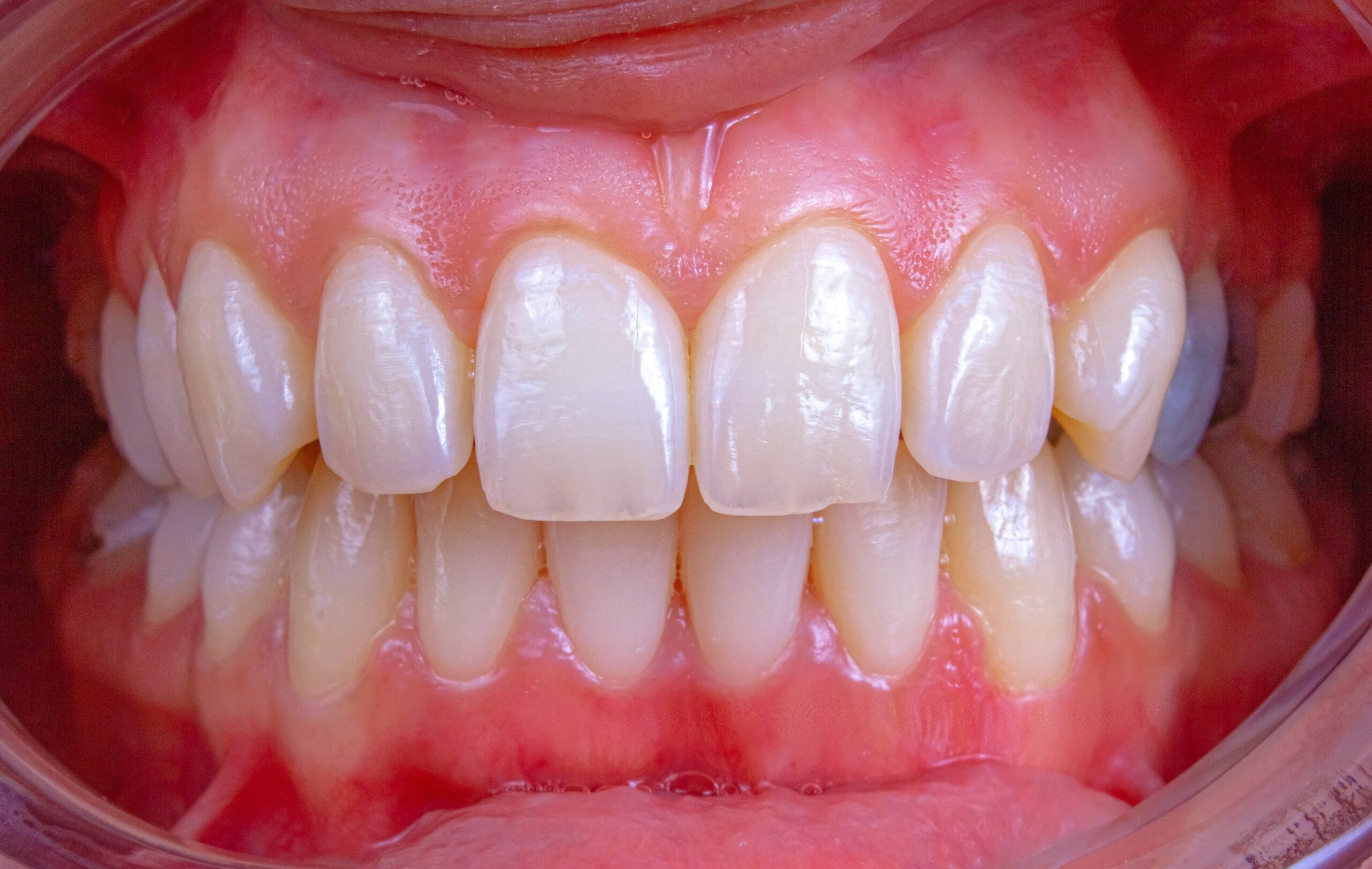
You might be feeling a quiet worry every time you run your tongue over a sensitive tooth or notice a bit of blood in the sink after brushing. You tell yourself you will get it checked “when things calm down,” yet your schedule, your budget, or even past dental experiences keep getting in the way. At the same time, you know that ignoring small problems instead of seeing a dentist in west Houston can turn them into painful and expensive emergencies.end
That tension is exhausting. You want a healthy mouth, but you also want clarity. What exactly is a general dentist doing to protect you, and how can those efforts actually improve your long term oral health, not just patch things up?
Here is the short version. A general dentist is not only the person who fills cavities. They are your primary care provider for your mouth. They watch trends over time, use proven preventive tools, and guide you through daily habits so you avoid disease instead of constantly reacting to it. The five key steps they take are careful screening, preventive care, early treatment, education, and coordination with other providers when needed.
So where does that leave you? It means you do not have to figure this out alone. Once you understand how these five steps work, you can use your dental visits to actively improve your oral health outcomes instead of just “getting a cleaning.”
Why oral health feels overwhelming and how a dentist changes that
It often starts with something small. A chipped tooth you ignore. A cleaning you postpone. A child who is afraid of the chair, so you cancel and never rebook. Because of that, a year or two goes by, and now you are dealing with sensitivity, bad breath, or a tooth that aches when you chew. You might feel embarrassed for waiting or worried about what the dentist will say. You might also be afraid of the bill.
The problem is that oral disease is usually quiet at first. Tooth decay and gum disease can progress without pain until the damage is significant. According to public health data, untreated cavities are one of the most common chronic conditions in both children and adults, and many people do not realize they have a problem until it is advanced. That is why a routine exam matters so much. It finds things your mirror and phone camera will never catch.
Now the stress grows. You are thinking about missed work, insurance coverage, and whether you will need something major like a root canal. You may even feel judged for the state of your teeth, which can make it tempting to keep delaying care. That delay is exactly what a thoughtful, patient centered general dentist tries to prevent.
So how do general dentists work to improve oral health outcomes in a way that respects your time, your comfort, and your budget?
Step 1: Careful exams and early screening change the story
The first step is a thorough exam. This is more than just “open wide.” Your dentist checks your teeth, gums, tongue, and the lining of your mouth. They look for decay, gum inflammation, signs of teeth grinding, dry mouth, or even early signs of oral cancer. They may use X rays to see between teeth and under old fillings where problems like to hide.
Think of this as your oral health report card. By catching tiny cavities, early gum disease, or suspicious spots early, your general dental care provider can often treat issues with small, simple procedures instead of emergency work.
There is another layer here that many people do not realize. Your mouth can reflect your overall health. Changes in your gums, for example, can be related to diabetes or medications you take. Organizations such as the Health Resources & Services Administration share how better oral care is linked to better general health outcomes. You can explore this connection through the HRSA oral health resources.
Step 2: Preventive cleanings and treatments protect you before things hurt
Once your dentist understands your current situation, the next step is prevention. Professional cleanings remove hardened plaque that brushing and flossing simply cannot reach. This is what helps stop gum disease from quietly worsening over time.
Beyond cleaning, your dentist might recommend fluoride treatments to strengthen enamel, especially if you have a history of cavities or dry mouth. For children and some adults, sealants on the chewing surfaces of back teeth can dramatically cut the risk of decay. The Centers for Disease Control and Prevention share that preventive measures like sealants can significantly reduce cavities in school age children. You can read more about this type of evidence on the CDC oral health information page.
When preventive care is done regularly, your risk of sudden, painful dental emergencies drops. That means fewer sleepless nights and fewer last minute appointments that disrupt work or school.
Step 3: Early, conservative treatment keeps small problems small
Even with the best habits, problems sometimes appear. The third step general dentists take is to treat issues early and in the least invasive way possible. A small cavity can often be repaired with a simple filling. Early gum disease can sometimes be reversed with targeted cleanings and improved home care.
Compare that to what happens when problems are ignored. A small cavity can become a deep infection that needs a root canal or even an extraction. Mild gum inflammation can progress to advanced disease, bone loss, and loose teeth. The difference in cost, discomfort, and healing time is significant.
This is why regular visits matter so much. They give your dentist a chance to use conservative treatments that protect as much natural tooth and gum tissue as possible, improving your long term oral health outcomes.
Step 4: Education and coaching so your daily habits actually work
The fourth step is often the most underestimated. A general dentist and the dental hygienist do not just clean and fix. They teach. They pay attention to how you brush, where plaque tends to collect in your mouth, and which teeth you are missing when you floss. Then they give you very specific guidance, tailored to you.
That might mean showing you a different brushing angle for crowded teeth, recommending a softer brush for sensitive gums, or suggesting a special toothpaste if you have a high cavity risk. It can also mean talking openly about diet, smoking, or mouth breathing, and how each one affects your teeth and gums.
If you want a clear, science based guide to daily care, you can also look at the resources from the National Institute of Dental and Craniofacial Research on everyday oral hygiene practices. When you combine that kind of guidance with your dentist’s personal advice, your home routine becomes much more effective.
Step 5: Coordination and referrals when you need more than basic care
The fifth step is coordination. Sometimes your needs go beyond what routine general dentistry can provide. You might need an orthodontist for crowded teeth, a periodontist for advanced gum disease, or an oral surgeon for complex extractions or implants.
A good general dentist acts as your central point of contact. They know your history and your goals. When they refer you, it is usually to someone they trust, and they stay in the loop so your treatment stays consistent. This kind of coordination can greatly improve outcomes, because everyone involved is working with the same information and toward the same result, which is a comfortable, healthy mouth that serves you well.
How do these steps compare to “waiting until it hurts”?
You might still wonder how all this translates into real differences in your life. The table below compares a preventive, partnership based approach with a “wait until it hurts” approach that many people fall into without meaning to.
| Approach | What it looks like | Typical outcomes | Long term impact |
|---|---|---|---|
| Proactive care with a general dentist | Regular exams and cleanings, early treatment, daily home care coaching | Fewer emergencies, smaller and less costly procedures | Better oral health outcomes, more natural teeth preserved, lower overall stress |
| Waiting for pain or visible problems | Skipping checkups, visiting only when something hurts or breaks | Frequent urgent visits, more complex procedures like root canals or extractions | Higher costs over time, more missed work, greater risk of tooth loss |
Seeing the comparison laid out like this can be sobering. It can also be empowering, because it shows how much control you actually have when you work with a general dentist as a partner instead of a last resort.
Three steps you can take right now to support better oral health outcomes
1. Schedule and keep a routine exam, even if you feel nervous
If it has been more than six months since your last visit, choose a date and book a checkup and cleaning. Tell the office if you are anxious or have had difficult experiences in the past. Many practices are used to this and can adjust how they communicate and move through the appointment so you feel safer and more in control.
2. Ask for a simple, written home care plan
During your visit, ask your dentist or hygienist to write down a short, clear plan. For example, which toothbrush to use, how often to floss, whether you need fluoride or other special products, and any changes to your diet that could help. Put this plan somewhere you will see it daily, such as your bathroom mirror.
3. Address one small issue before it grows
Think about the one thing that has been bothering you. Maybe a tooth that twinges with cold, bleeding gums, or a chipped edge that catches your tongue. Bring this up at your appointment and ask what the earliest, simplest treatment would be. Tackling one small issue now can prevent a much bigger problem later.
Moving forward with more confidence about your oral health
You do not need perfect teeth to deserve kind, skilled care. You might feel behind or worried about what a dentist will find, yet every healthy outcome starts with that first honest look. By understanding the 5 steps general dentists take to improve oral health outcomes, you can walk into your next visit with clearer expectations and a stronger voice in your own care.
Use what you now know about general dental services to ask questions, request explanations in plain language, and work with your dentist to create a plan that fits your life. Small, steady actions, supported by a thoughtful general dentist, can change your oral health story far more than one big, dramatic procedure ever could.