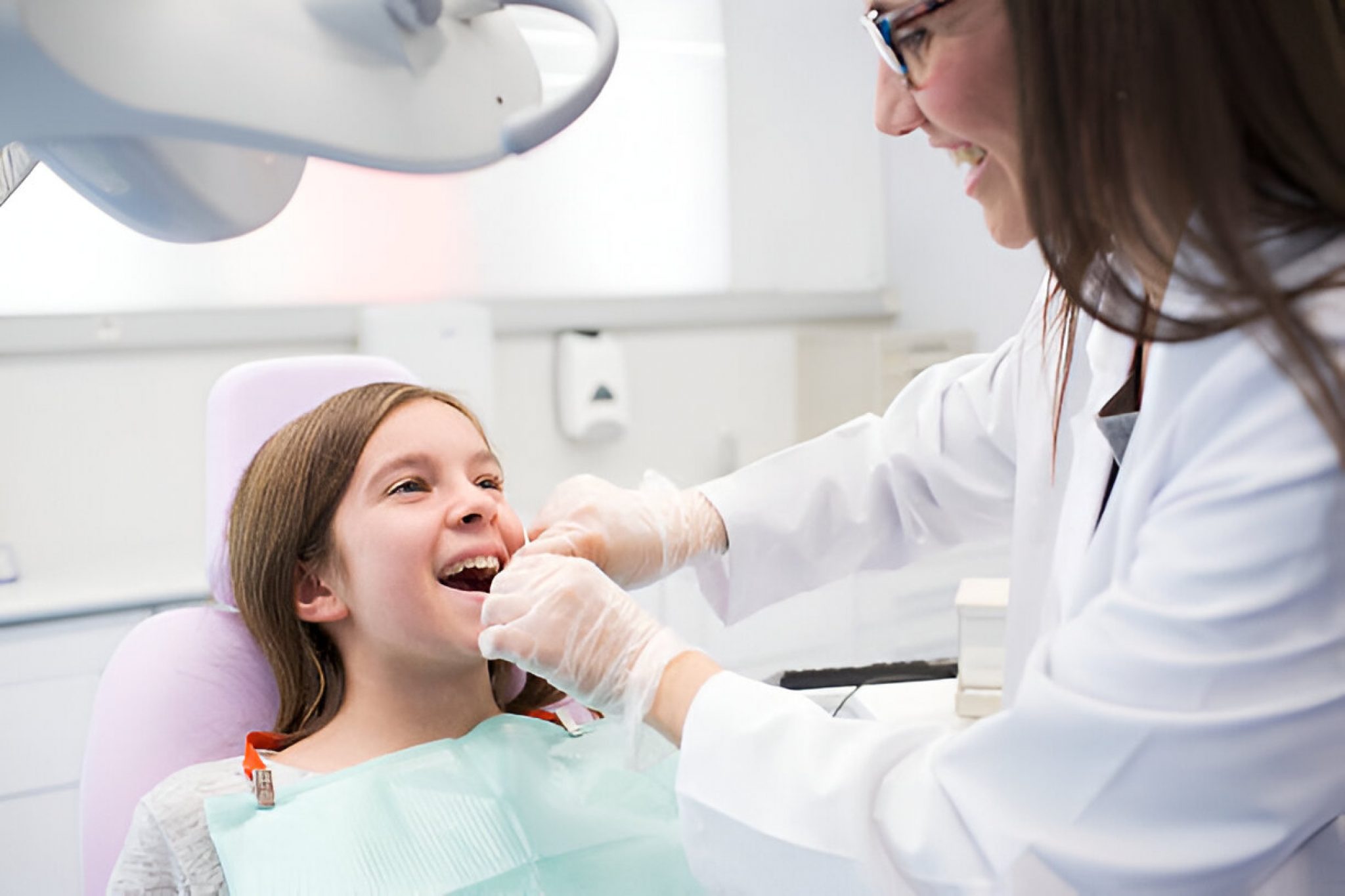
You might be reading this with your heart in your throat. Maybe your child or loved one with special needs just chipped a tooth, knocked one out, or woke up in pain that came out of nowhere. You are trying to comfort them, talk to insurance, find a dentist who actually understands their needs and offers sedation dentistry for special needs in San Jose, and hold yourself together at the same time.end
That is a lot for anyone. You are not overreacting. Dental emergencies are scary on their own. When you add sensory issues, anxiety, communication challenges, or complex medical conditions, it can feel overwhelming.
The short version is this. A special needs dentist is trained to handle emergency dental situations in a way that protects both oral health and emotional safety. They use adapted communication, behavior support, sedation options, and medical coordination to get urgent care done as smoothly as possible. Your role is to recognize what is truly an emergency, stabilize things at home, then get your loved one to the right professional as quickly and calmly as you can.
So where does that leave you right now, in the middle of the fear and the “what do I do next” questions.
What makes a dental emergency different for patients with special needs
For many families, a broken tooth or severe toothache is already stressful. For someone with autism, intellectual disability, sensory processing challenges, or complex medical issues, that same emergency can trigger panic, self injury, or total shutdown.
Imagine this. Your child with autism falls and hits their mouth. There is blood, they are screaming, they cannot tell you exactly what hurts, and they are fighting any attempt to look in their mouth. You call a random dentist. The office is loud. The staff is kind but not prepared. The dentist wants to help but does not know how to safely examine your child who is thrashing in the chair.
This is where a special needs dentist for emergencies is different. They expect that first visit to be hard. They know that pain can show up as aggression or withdrawal. They are trained to work with limited cooperation, use visual supports, involve caregivers closely, and, when appropriate, use sedation or general anesthesia.
You might wonder what exactly they do differently when every second feels urgent.
How special needs dentists actually manage emergency visits
The American Academy of Pediatric Dentistry has clear guidance on emergency oral care for patients with special health care needs. Special needs dentists build on this with real world strategies that balance speed and safety.
First, they triage. When you call, they will ask about bleeding, breathing, swelling, pain level, and your loved one’s medical conditions and triggers. They will help you decide if this is “go to the ER now” or “come into the office urgently” or “monitor at home for a few hours.”
Then they plan for behavior and comfort. They may schedule your visit at a quieter time, dim lights, limit staff in the room, and allow you to stay close. They might use social stories, photos, or simple step by step language to explain what will happen. The goal is to reduce fear before anyone even touches a dental tool.
When actual treatment starts, a special needs emergency dentist adapts every step. They might do a quick visual check first, then short bursts of treatment with breaks. They may use protective stabilization only with consent and only when absolutely necessary. If your loved one cannot tolerate care safely, they may recommend sedation or treatment in a hospital setting, especially for complex procedures or patients with significant medical needs.
The American Dental Association highlights these kinds of special considerations for patients with disabilities, including communication methods, consent, physical access, and medical coordination. A good special needs dentist folds all of this into their emergency planning so you are not left trying to “manage” your loved one alone in the chair.
Of course, all of this support can raise new worries. What about cost. What about wait times. What if there is no specialist near you.
Common worries and how a special needs dentist addresses them
There are three big fears that tend to show up in these moments. “My loved one will be traumatized.” “The dentist will not understand their disability.” “We will end up in the ER with no one who knows what to do.”
A dentist trained in special care dentistry works to prevent trauma by moving at your loved one’s pace as much as the emergency allows. They might treat the most urgent problem first, then schedule follow up visits to complete everything else once trust is built.
They also talk with your other providers. Many special needs dentists coordinate with neurologists, cardiologists, or primary care doctors, especially before using sedation or general anesthesia. Some work in hospital based clinics or university programs, such as the special needs dentistry clinic at UCLA, which can handle very complex medical and behavioral situations.
Financially, emergency care can be heavy. What helps is asking upfront about insurance, sedation coverage, and payment plans. Many clinics that focus on disability care are used to navigating Medicaid, waiver programs, and other supports. You do not have to pretend cost is not an issue. It is absolutely okay to bring that up early.
So how do you decide what you can manage at home and when you truly need a professional right away.
When can you manage at home and when do you need a special needs dentist fast
The table below can help you sort through common situations and what usually makes sense next. This is not a substitute for direct medical advice, but it can give you a starting point when everything feels urgent.
| Situation | What you might see | Home care you can try briefly | When to call a special needs dentist or ER |
|---|---|---|---|
| Toothache without swelling | Complaints of pain, sensitivity to hot or cold, no visible facial swelling | Cold compress, pain medicine as advised by your doctor, soft foods, keep area clean | If pain lasts more than 24 hours, worsens, or your loved one cannot eat, drink, or sleep |
| Knocked out permanent tooth | Tooth completely out of socket, bleeding from the gum | Gently place tooth back in socket if possible, or store in milk. Apply gentle pressure with clean gauze | Call a special needs dentist or go to urgent dental care within 30 to 60 minutes |
| Chipped or broken tooth | Sharp edge, part of tooth missing, possible sensitivity | Rinse mouth, cover sharp edge with dental wax or sugar free gum if tolerated | Same day visit if pain, nerve exposure, or large piece missing. Immediate care if bleeding heavily or severe pain |
| Facial swelling or fever | Swollen cheek or jaw, warmth, possible fever, difficulty opening mouth | Pain medicine as instructed by your doctor, cold compress to reduce swelling | Immediate call to dentist or ER. Especially urgent if trouble breathing, swallowing, or speaking |
| Lip, tongue, or cheek injury | Bleeding from soft tissues, possible biting due to seizures or falls | Clean with water, apply pressure with gauze, cold compress outside the mouth | Urgent care if bleeding does not slow after 10 to 15 minutes, or if the wound is large or deep |
For someone with special needs, even a “minor” problem can escalate if they cannot explain pain or tolerate touch. If your gut says “this is not right” and home care is not helping, it is time to reach out.
Three steps you can take right now to protect your loved one
1. Create an emergency dental plan before the next crisis
If you can, identify a special care dentist in your area now, before the next emergency. Ask about their experience with your loved one’s specific diagnosis. Find out what their after hours process looks like. Share a short medical summary that includes medications, allergies, seizure history, communication style, and triggers. Store their number in your phone under “Dental Emergency” so you are not searching at midnight.
2. Build a simple “calm kit” for dental emergencies
3. Practice gentle mouth checks during calm times
When your loved one is relaxed, practice short, low pressure “mouth checks” at home. Use a flashlight and a mirror. Pair it with something positive, like a favorite song or show. The goal is not to play dentist. It is to help them slowly tolerate someone looking in their mouth for a few seconds. In a real emergency, this small practice can make it easier for both you and the dentist to see what is wrong.
Finding steady ground when everything feels urgent
Dental emergencies with a person who has special needs can feel like the world narrows to a single moment of panic. You are trying to read their behavior, manage pain, and make fast decisions without much sleep or clarity.
You do not have to do that alone. A dentist who understands special needs care can share that load and bring structure to the chaos. They can help you sort out what is urgent, how to keep your loved one as calm as possible, and what treatment path makes sense for their body and their mind.
It is okay to ask questions. It is okay to say “my child cannot handle that” and work together on another option. It is okay to admit you are scared. With the right support, emergency dental care does not have to be perfect to be safe and compassionate. It only has to be handled by people who see your loved one as a whole person, not just a set of teeth.
Even if today feels messy, you are already doing the most important thing. You are paying attention, and you are looking for help that truly fits your loved one’s needs.