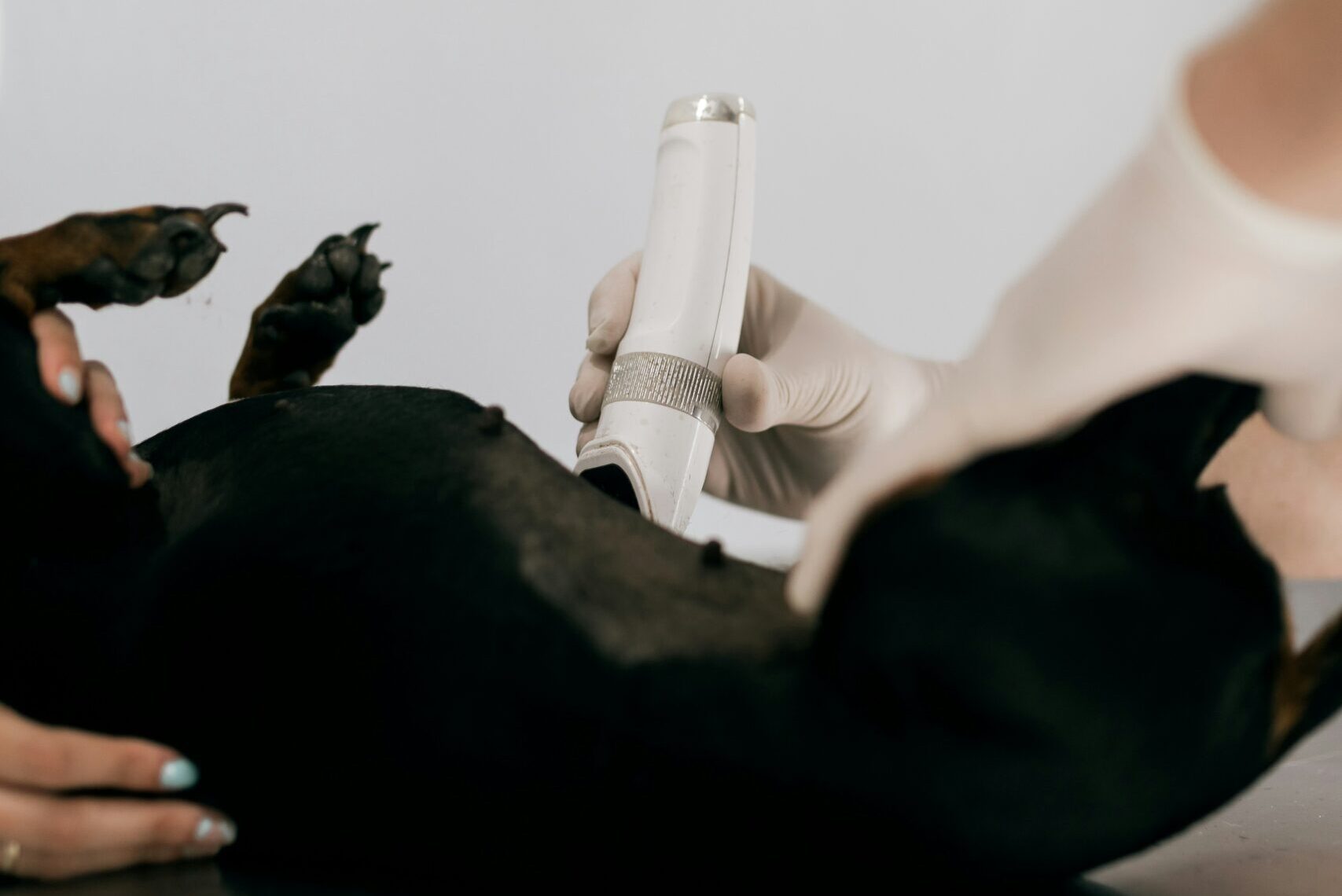
Pets cannot explain their pain. You must notice the small changes. A limp. A cough. A refusal to eat. These signs can point to common conditions that need quick care. A veterinarian in Watertown, NY sees the same problems again and again. Some affect joints. Some affect teeth. Others hit the skin or the stomach. Each one can change how your pet moves, sleeps, and reacts to you. Early treatment can stop lasting damage. It can also lower costs and stress. This guide walks through four common conditions treated in veterinary clinics. You will see what to watch for, when to act, and what treatment might look like. You will also learn how simple routines can prevent many problems before they start. Your pet depends on you. With clear facts and calm steps, you can respond with confidence when something feels wrong.
1. Skin Allergies
Skin problems are among the most common reasons for a visit. Itch can take over a pet’s life. You may see your pet scratch, lick, or chew one spot until the skin breaks. That can lead to infection and deep pain.
Watch for three warning signs.
- Red or flaky skin
- Hair loss in patches
- Constant licking of paws or belly
Common causes include fleas, food, or pollen. A vet may use skin tests or diet trials. Treatment often uses three steps. Remove the trigger. Treat the infection. Soothe the itch. You may need flea control, medicated shampoo, or a new diet.
You can lower the risk if you keep your pet on year-round parasite control. You can also bathe with gentle products and clean bedding often. The Centers for Disease Control and Prevention offers clear guidance on flea control for pets.
2. Dental Disease
Teeth and gum problems cause suffering. Many pets over age three have some form of dental disease. You may notice bad breath first. That smell often comes from an infection under the gum line. It can spread through the body.
Key signs include three patterns.
- Bad breath that does not go away
- Brown buildup on teeth
- Dropping food or chewing on one side
A vet will examine the mouth. Often, your pet will need dental cleaning under anesthesia. The team will remove tartar, take X-rays, and pull loose teeth if needed. After treatment, most pets eat better and act more relaxed.
Daily care matters. You can brush your pet’s teeth with pet-safe paste. You can also use dental treats that carry the Veterinary Oral Health Council seal. The American Veterinary Medical Association explains simple steps for home dental care.
3. Arthritis and Joint Pain
Joint pain affects many older pets. It also affects some large-breed dogs at a younger age. Arthritis slowly wears down the cushion in joints. That makes each step feel stiff. Your pet may not cry out. Instead, you see a quiet change in habits.
Common signs include three changes.
- Slow to rise or lie down
- Hesitation on stairs or into the car
- Less interest in walks or play
Your vet may suggest X-rays and a full exam. Treatment often includes weight control, pain medicine, and joint support supplements. In some cases, your vet may suggest physical therapy or surgery. You will likely need to adjust to home life. Soft bedding, non-slip rugs, and ramps can protect sore joints.
Joint care works best when you start early. Keep your pet at a lean weight. Use regular, gentle exercise instead of rare, hard bursts. That simple shift can reduce pain and delay damage.
4. Digestive Upset
Vomiting and diarrhea frighten many families. Sometimes the cause is simple. A change in food or a snack from the trash can upset the stomach. Other times, the cause is serious and needs quick care.
Watch three main clues.
- Blood in vomit or stool
- Repeated vomiting or diarrhea over a day
- Refusal to drink or clear weakness
These signs call for rapid vet care. Your vet may check for parasites, foreign objects, or diseases like pancreatitis. Treatment may include fluids, medicine for nausea, and a bland diet.
You can prevent many stomach problems with simple habits. Store trash where pets cannot reach it. Change food slowly over a week. Keep human medicine and toxic foods such as chocolate and xylitol away from pets.
Comparison of Common Conditions
| Condition | Key Signs | Typical First Steps | Simple Prevention Habits
|
|---|---|---|---|
| Skin allergies | Itch, red skin, hair loss | Exam, flea check, skin tests | Year-round flea control, clean bedding, gentle baths |
| Dental disease | Bad breath, tartar, mouth pain | Oral exam, dental cleaning, X-rays | Daily brushing, dental treats, regular checkups |
| Arthritis | Stiff walk, slow to rise, less play | Joint exam, X-rays, pain control | Lean weight, steady exercise, joint safe home setup |
| Digestive upset | Vomiting, diarrhea, low energy | Stool tests, imaging, fluids | Safe food storage, slow diet changes, no table scraps |
When You Should Call Your Vet
Some problems can wait for a regular visit. Others need quick help. Call your vet at once if you see any of the following.
- Trouble breathing
- Seizures or collapse
- Sudden swelling of face or muzzle
- Continuous vomiting or bloody stool
- Injury from a car or a fall
For mild signs, write down what you see. Note the time, what your pet ate, and any new products in the home. That record helps your vet find the cause faster.
How You Can Support Everyday Health
You cannot prevent every illness. You can still lower the risk. Focus on three steady habits.
- Regular checkups and vaccines
- Balanced food and fresh water
- Daily movement and mental play
These simple steps keep small problems from turning into deep harm. They also help your vet spot changes early. With watchful eyes and prompt action, you protect your pet’s comfort and keep your bond strong.