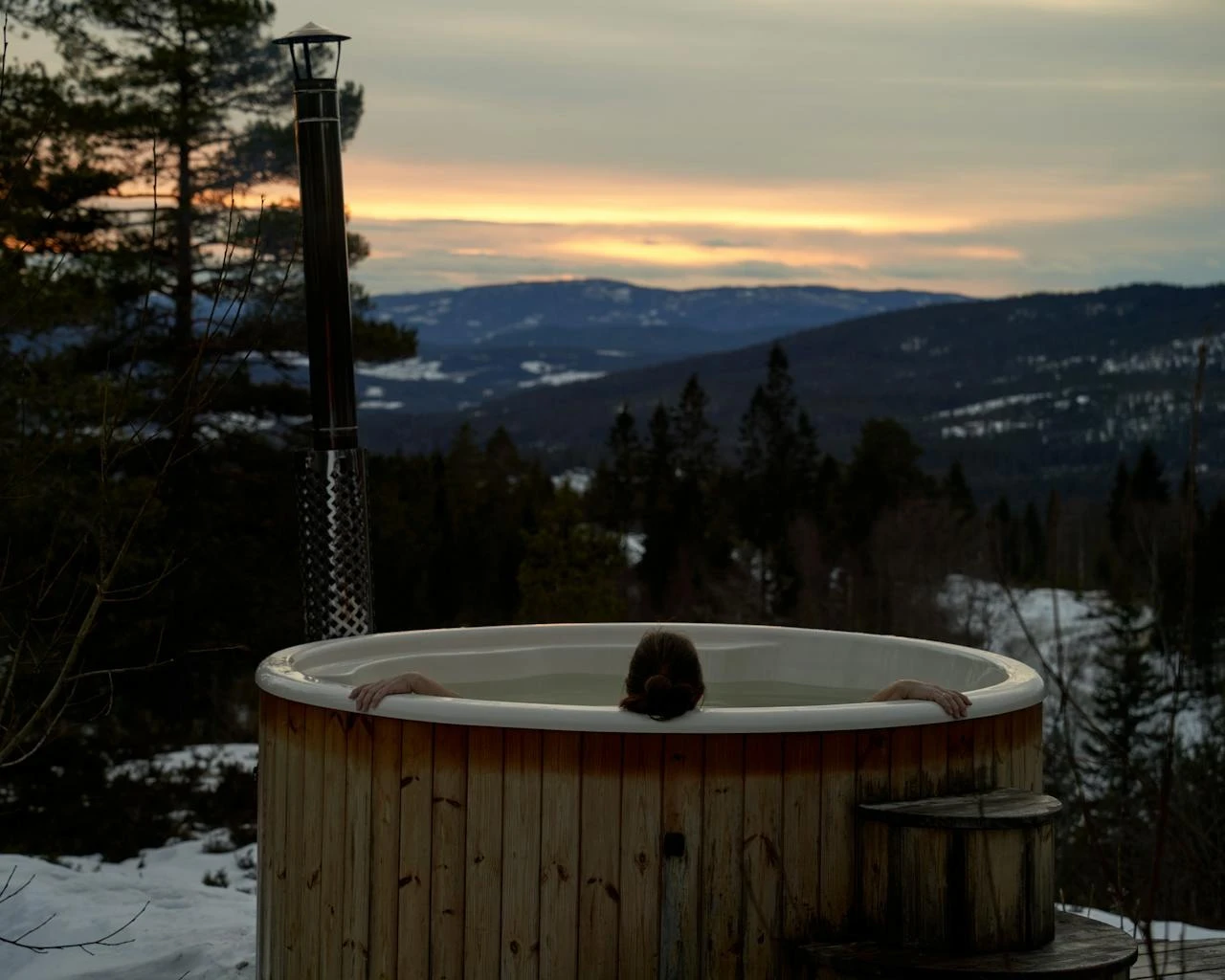
Discover how combining the heat of a sauna with the invigorating chill of a cold plunge can harmonize your body and mind through every season. This contrast therapy not only boosts circulation and immunity but also enhances your connection to nature’s rhythms. Whether facing winter’s frost or summer’s heat, these wellness practices offer a natural reset, helping you adapt, rejuvenate, and fully embrace the unique qualities each season brings.
Supporting the Body’s Natural Adaptation to Seasonal Change
Alternating between sauna heat and ice water immersion trains the body to become more resilient. This adaptive practice, sometimes called the “thermal journey,” encourages circulation and stress resilience. By including regular contrast therapy, individuals can strengthen their ability to embrace seasonal transitions. Read about the link between cold exposure and immunity in this detailed guide on the health benefits of cold plunges.
Strengthening Immunity and Enhancing Circulatory Health
Sauna sessions promote sweating, opening pores and flushing toxins. Cold plunges, by contrast, stimulate blood vessels to constrict, improving vascular tone. When repeated over time, these practices improve cardiovascular health and immune response. This seasonal reset helps the body navigate spring allergies, summer heat, autumn transitions, and winter infections with greater balance and clarity.
Seasonal Mood Support Through Temperature Exposure
Dark winter months can impact mood, reducing serotonin and disrupting circadian rhythms. Sauna and cold plunges modulate stress hormones such as cortisol and adrenaline. These shifts help regulate sleep and energy during darker days. Proactive cold and heat exposure support emotional equilibrium, promoting a more positive mental outlook throughout the seasons.
Enhancing Energy and Motivation Year Round
Thermal contrast sharpens mental focus and boosts metabolic function. Morning cold plunges can awaken the senses and spark motivation. Evening sauna sessions support deep rest and recovery. Altering practice frequency based on seasonal energy levels helps individuals stay productive in winter and cool-headed during summer’s heat.
Encouraging Mindfulness and Seasonal Presence
Seasonal living means staying in touch with natural rhythms. Saunas and cold plunges require pause and intention. These rituals anchor the body in the present moment. A winter sauna provides warmth and reflection, while a summer plunge encourages alert vitality. Such mindful exposure fosters a deeper connection with one’s environment.
Ritualizing the Seasonal Journey
Adding seasonal scents like pine in winter or citrus in summer enhances the sensory experience. This ritual layer transforms basic hydrotherapy into a celebration of the season. By embracing both the extremes of heat and cold, individuals learn to welcome rather than resist seasonal changes.
Supporting Athletic Recovery and Seasonal Activity Shifts
Summer hikes and winter ski trips challenge the body in different ways. Sauna use after exercise relieves sore muscles and speeds recovery. Cold plunges reduce inflammation and support joint health. Incorporating them into seasonal training routines sustains performance and reduces risk of injury across varying outdoor activities.
Building Resilience by Embracing Discomfort
Moving through the contrast of sauna heat and icy water helps build psychological resilience. Facing physical discomfort with intention trains the mind to stay calm in adversity. This toughness helps individuals weather both literal and emotional seasonal storms more gracefully and with deeper confidence.
What are the benefits of alternating heat and cold exposure?
Alternating between heat and cold exposure, like using a sauna followed by a cold plunge, can boost circulation, reduce inflammation, and enhance muscle recovery. It also supports mental clarity and resilience by stimulating the nervous system, helping the body adapt more effectively to temperature changes and seasonal transitions.
How does temperature contrast affect the immune system?
Switching between hot and cold environments activates the body’s stress response in a beneficial way, enhancing immune function. This practice strengthens white blood cell activity and improves the body’s natural defenses, making it more resilient to seasonal illnesses such as colds and the flu.
Can heat and cold therapy improve mental well-being?
Yes, exposure to heat and cold can positively affect mental health. It triggers endorphin release and boosts dopamine levels, which can reduce anxiety and improve mood. This process helps individuals build emotional resilience, promoting a sense of grounding and adaptation throughout seasonal shifts.
How often should you practice this thermal routine?
A regular practice, ideally two to four times a week, yields the best results. Consistent exposure to heat and cold trains the body to respond more effectively to stressors, enhances physical recovery, and promotes overall well-being, especially when aiming to stay balanced through seasonal changes.