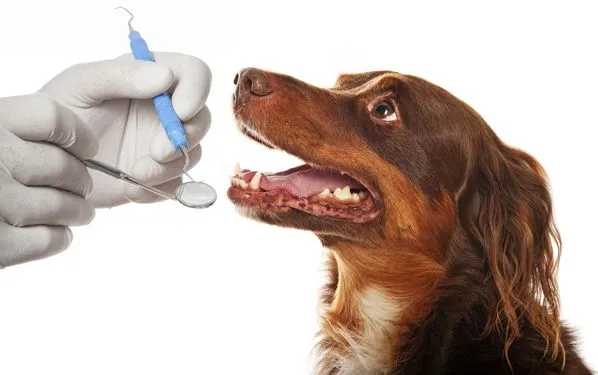
You might be noticing little things that are easy to shrug off at first. Your dog’s breath is stronger than it used to be, your cat flinches when she chews on one side, or you see a bit of redness along the gumline and tell yourself you will watch it for a while. Then a thought creeps in. Is this just normal aging, or is something quietly getting worse. At our animal hospital in Pleasant Prairie, we can help you find the answer and protect your pet’s health.end
That question can feel heavy, especially when you care deeply about your pet and you are trying to be a good guardian without spending money you do not have to. Because of this tension, you might wonder if routine dental care at an animal hospital is really necessary, or if brushing at home is enough.
Here is the short version. Preventive dental care at an animal hospital protects your pet from pain, infection, and tooth loss. It can also save you from sudden, expensive emergencies later. Regular professional care works best when paired with simple home habits, like brushing. When you understand how these pieces fit together, decisions about your pet’s mouth become a lot less stressful.
Why your pet’s teeth matter more than you think
The hard part is that dental disease in pets usually starts quietly. You do not always see obvious signs until things are advanced. According to veterinary groups, most dogs and cats show some level of dental disease by age 3. That is shockingly early, and yet it often goes unnoticed.
So what is the problem. Plaque builds up on the teeth. Bacteria settle in. Gums become inflamed. Over time, that inflammation can destroy the tissue that holds the teeth in place. This is not just a “bad breath” issue. It is a chronic infection in your pet’s mouth that can spread through the bloodstream and affect the heart, liver, and kidneys.
If you are wondering how serious this can become, imagine this situation. Your otherwise healthy 6 year old dog suddenly stops eating dry food and cries when he tries to pick up a toy. You rush to the animal hospital and learn that several teeth are loose and infected. Now you are looking at extractions, antibiotics, and a larger bill, all because the early stages were silent.
Because of stories like this, preventive veterinary dental care is not just about clean teeth. It is about avoiding pain, protecting long term health, and keeping costs manageable over time.
Three key benefits of preventive dental care at animal hospitals
So where does that leave you. You have brushing, dental treats, and then you have professional care at the animal hospital. It helps to understand what the hospital side really offers.
1. Early detection of hidden problems
During a professional dental visit, your veterinarian can see far more than you can at home. They examine each tooth, the gums, and often use dental X rays to check the roots under the gumline. That is where many problems hide.
They can spot cracked teeth, early periodontal disease, resorptive lesions in cats, and even oral tumors long before they become obvious. When caught early, many of these issues can be treated with far less pain and at far lower cost. Without early detection, you often do not know anything is wrong until your pet is already suffering.
2. A deep clean that home care cannot replace
Home care is important. In fact, veterinary experts are very clear that brushing is the best daily tool for your pet’s dental health. But even perfect brushing cannot remove hardened tartar that sits below the gumline.
At the animal hospital, a professional cleaning under anesthesia allows the team to remove plaque and tartar from every tooth surface, including those hidden areas that cause the most damage. They can polish the teeth to slow future buildup and flush the gums to reduce bacteria. This kind of professional animal dental care is what resets the mouth so your home efforts actually have a fair chance of keeping things healthy.
3. Less pain for your pet and fewer emergencies for you
Untreated dental disease hurts. Pets are often stoic, so they keep eating, but they may chew on one side, swallow food quickly, or avoid their favorite toys. Over time, this constant discomfort can affect their mood, activity level, even their sleep.
By investing in preventive care, you reduce the odds of fractured teeth, abscesses, and sudden facial swelling that sends you to the emergency clinic at night. You also reduce the risk of longer anesthetic procedures with multiple extractions later. In other words, regular pet dental care spreads out your costs and protects your pet from the roller coaster of crisis care.
Where does home care fit in, and what really saves money
It is natural to ask if you can handle most of this at home and only see the veterinarian when there is a clear problem. After all, you may already be stretched thin by food, grooming, and other medical costs.
The truth is that home care and professional care are not rivals. They are partners. Daily brushing and approved dental chews reduce plaque. Professional cleanings remove what you cannot reach and give your veterinarian a chance to catch trouble early.
The American Veterinary Medical Association offers clear guidance on basic home care and why regular checkups matter. You can review their advice on pet dental care and prevention to see what fits your household.
To make this more concrete, it helps to compare different approaches side by side.
| Approach | What you do | Short term cost | Long term impact | Risk level
|
|---|---|---|---|---|
| Home care only | Brush teeth, use dental treats, no professional cleanings | Low ongoing cost for supplies | Slows plaque, but tartar under gums still builds up | Higher risk of hidden disease and surprise dental emergencies |
| Professional care only | Periodic cleanings, little or no brushing at home | Moderate to higher cost at each visit | Teeth cleaned thoroughly at intervals, plaque builds faster between visits | Lower risk than home only, but more frequent cleanings may be needed |
| Combined preventive plan | Regular professional cleanings plus daily brushing and approved chews | Cost of cleanings plus modest cost of home supplies | Best protection for gums and teeth, fewer extractions over time | Lowest risk of pain, infection, and urgent dental procedures |
When you look at it this way, the goal is not perfection. The goal is a realistic routine that fits your life and still gives your pet protection on both fronts.
Three practical steps you can take right now
You do not have to fix everything overnight. A few focused actions can shift your pet’s dental health in a real way.
1. Take a slow, honest look at your pet’s mouth
Choose a calm moment. Gently lift your pet’s lips and look at the teeth and gums. You are not diagnosing anything. You are just noticing. Do you see yellow or brown buildup near the gums. Any redness, bleeding, or swelling. Any broken or missing teeth. Does your pet pull away when you touch a certain area.
Make a few notes. This simple check will help you talk clearly with your veterinarian and notice changes over time.
2. Start or restart a gentle brushing routine
If you are not brushing yet, begin with tiny steps. Use a pet specific toothbrush or finger brush and pet safe toothpaste. Start by just letting your pet lick the toothpaste off the brush. Then slowly work up to brushing a few teeth at a time.
Even brushing a few times a week can help. If brushing is truly not possible, ask your veterinarian about approved dental wipes, rinses, or chews. The key is consistency, not perfection.
3. Schedule a preventive dental check with your veterinarian
If it has been more than a year since your pet’s mouth was checked by a professional, or if you saw anything concerning during your home look, schedule a visit. You can ask about the right timing for cleanings based on age, breed, and current dental health.
Use that visit to create a simple plan. How often should your pet have professional cleanings. What home products are worth your money. What warning signs should prompt a call. A clear plan reduces worry, because you know what you are watching for and what comes next.
Moving forward with more clarity and less guilt
Caring for your pet’s teeth can bring up guilt. Maybe you wish you had started brushing years ago. Maybe you feel overwhelmed by the idea of an anesthetic procedure. Those feelings are understandable. They also do not have to define what you do from this point on.
Preventive dental care at an animal hospital is about giving your pet comfort and protecting their health in a quiet, steady way. With a mix of professional support and simple home habits, you can reduce pain, avoid many emergencies, and often save money over your pet’s lifetime.
You do not have to do everything at once. Choose one small step today, even if it is just making that dental appointment or buying a pet toothbrush. Each choice you make now becomes part of a calmer, healthier future for the animal who trusts you.