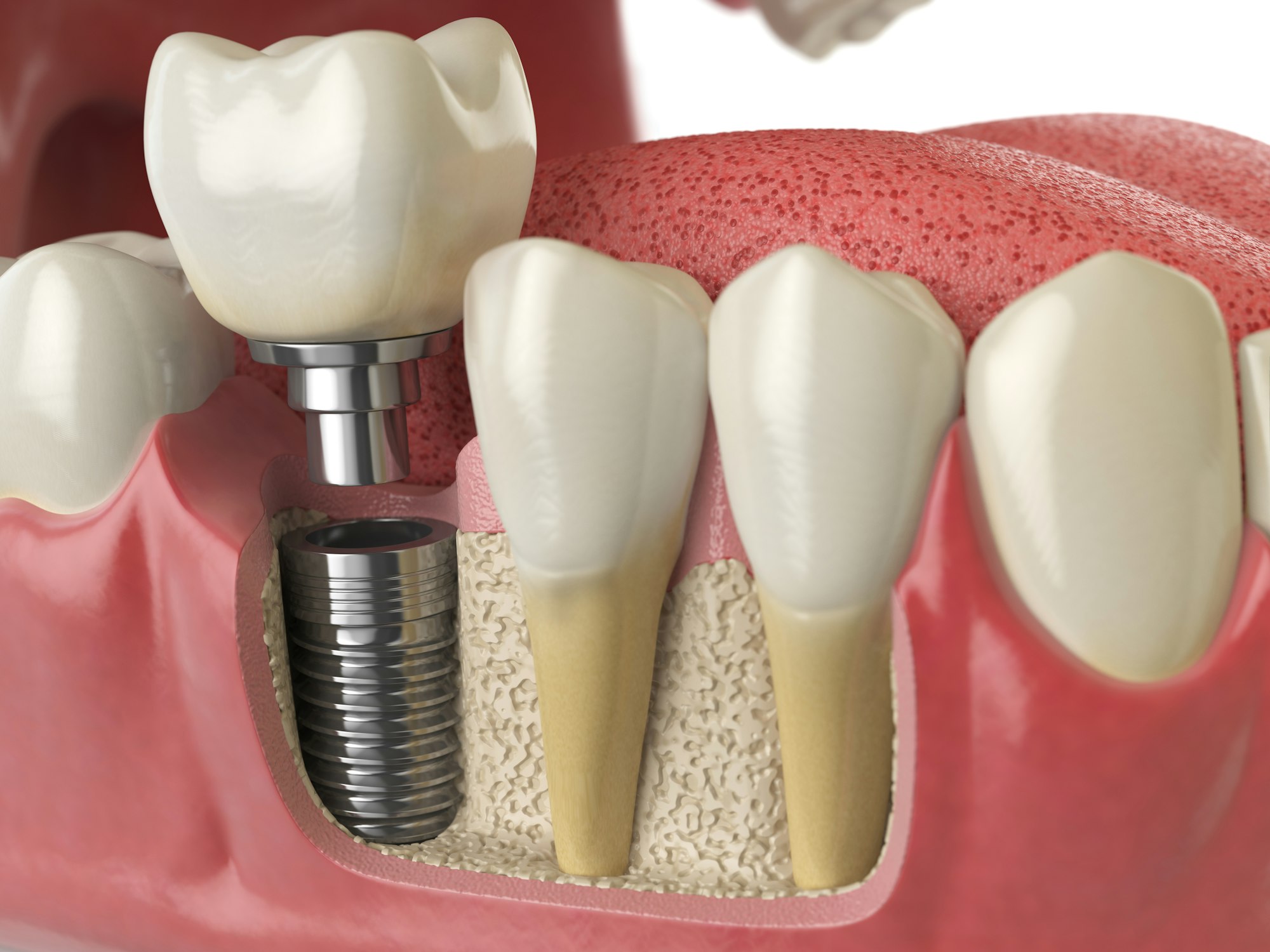
Tooth loss changes how you eat, speak, and feel in public. You might hide your smile or avoid certain foods. Modern implant technology gives you a different path. It focuses on strength, comfort, and a natural look. You get a replacement that feels secure, not temporary. You also protect the shape of your face and the health of nearby teeth. Current imaging, planning tools, and materials reduce guesswork. They help your dentist place implants with clear purpose and control. This means fewer surprises and a smoother recovery. If you are comparing dentures, bridges, or no treatment at all, you deserve clear facts. Today, you can choose solutions that fit your body and your daily life. If you are searching for dental implants in Chinatown, Lower Manhattan, you should understand what modern tools can offer. The following five advantages will help you make a steady, informed choice.
1. Strong, stable support for eating and speaking
Modern implants act like firm roots. They sit in your jaw and hold your replacement teeth in place. You get security that removable dentures cannot match.
With current 3D scans, your dentist sees the shape and thickness of your jaw. Then your dentist chooses the size and position of each implant with care. This planning gives you three clear benefits.
- You can chew many foods with less worry
- You can speak without your teeth sliding
- You can laugh or cough without sudden movement
The National Institute of Dental and Craniofacial Research explains that implants fuse with the bone. This fusion creates a firm base for replacement teeth. You feel that strength every time you bite down.
2. Protection for your jawbone and face shape
When you lose a tooth, the bone under that tooth starts to shrink. Your body no longer sees a reason to keep that bone strong. Over time, your cheeks can sink. Your bite can change. Your remaining teeth can drift.
Modern implants send clear signals to your jaw. The implant transfers pressure from chewing into the bone. That pressure tells your body to keep the bone strong. As a result, you get three forms of protection.
- Less bone loss under missing teeth
- More steady support for your cheeks and lips
- Fewer changes to your bite over time
According to research published through the National Institutes of Health, this process of fusion between bone and implant helps keep jawbone height and density. You protect more than your smile. You protect your facial structure.
3. Natural look that blends with your smile
Modern implant crowns and bridges match the shade and shape of your teeth. Your dentist uses color charts, photos, and your input. The goal is simple. Your new teeth should not stand out in family photos or in daily life.
New materials give you three clear gains.
- Tooth colored crowns that reflect light in a natural way
- Shapes that copy the size and curve of your own teeth
- Gums that can grow and heal around smooth implant parts
People who see you will usually notice your smile as a whole. They will not focus on single teeth. This quiet confidence can lift your mood in social settings and at work.
4. Longer lasting solution with fewer repeat procedures
Modern implants can last many years when you care for them. You brush and floss them like natural teeth. You still need cleanings and exams. Yet you often avoid the repeated relines, repairs, or replacements that removable dentures need.
The table below compares common options.
| Tooth replacement choice | Average support life with good care | Effect on nearby teeth | Effect on jawbone under missing tooth
|
|---|---|---|---|
| Modern single dental implant | Many years. Often 10 years or more | Does not need grinding of nearby teeth | Helps keep bone height and strength |
| Traditional fixed bridge | Often 7 to 10 years | Needs shaping of nearby teeth for support | Bone under missing tooth still shrinks |
| Removable partial denture | Often 5 to 7 years | Clips can strain nearby teeth | Bone loss continues under missing teeth |
| No treatment | Not a replacement | Nearby teeth can tilt or move | Steady bone loss in gaps |
When you choose a longer-lasting option, you plan for your future self. You spend time and money now to avoid repeated work later. You also reduce the stress of sudden repairs.
5. Safer, more precise planning and placement
Past implant surgery often relied on two-dimensional X-rays and the dentist’s sense of touch. Modern care uses 3D cone beam scans and computer planning. Your dentist can see nerves, sinuses, and thin bone. Then your dentist can plan the exact position, angle, and depth of each implant.
This careful planning offers three key gains.
- Shorter surgery time in many cases
- Less risk of damaging nerves or sinuses
- Clearer view of whether you need bone grafting
Many teams also use guides that fit over your teeth or gums. These guides act like stencils. They show where to place each implant. You gain more predictability and fewer surprises during healing.
Is modern implant technology right for you
Modern dental implant technology offers strong support, bone protection, a natural look, long service life, and precise planning. Still, it is not right for every person. Your health, jawbone, and goals matter.
A trusted dentist or specialist should review your medical history. The dentist should check your gums, bone levels, and any habits like smoking. Then the dentist should walk you through your choices in clear terms.
With steady planning and honest talk, you can choose care that fits your body and your budget. You deserve teeth that let you eat, speak, and smile with calm confidence every day.