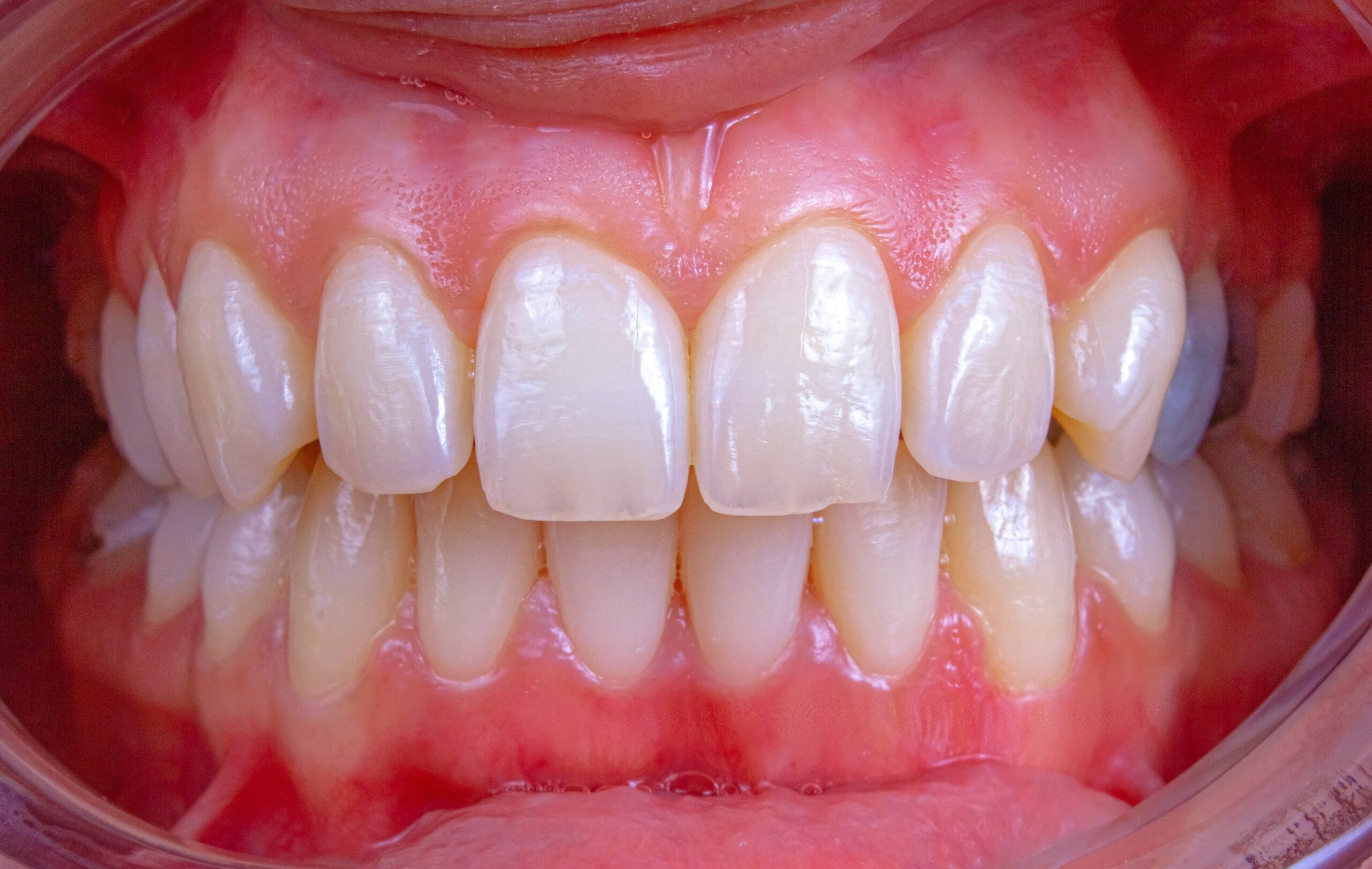
Gum disease affects far more people than most expect. Yet many myths still surround bleeding gums, bad breath, and loose teeth. These myths cause delay. That delay can cost you your smile and your health. This blog clears up five common myths about gum disease so you can act early and avoid pain, expense, and stress. You will see what warning signs to watch for, why brushing alone is not enough, and when it is time to seek help from a periodontist in Thousand Oaks, CA. You will also learn how gum disease links to heart disease and diabetes. Truth gives you control. When you know what is real and what is false, you can protect your gums, keep your natural teeth, and feel more at ease at your next dental visit.
Myth 1: “Bleeding gums are normal”
Bleeding is not normal. Gums bleed for a reason. The most common reason is infection from plaque that stays on your teeth and along the gumline.
The Centers for Disease Control and Prevention explains that nearly half of adults over 30 show signs of gum disease.
Bleeding gums can mean:
- Early gum disease that you can still reverse
- More advanced disease that threatens bone and teeth
- Other health issues that need medical care
Take action when you see pink in the sink. Call your dentist if your gums bleed for more than a few days, even with gentle brushing and flossing.
Myth 2: “If my teeth do not hurt, my gums are fine”
Gum disease is often quiet. You may feel no pain until the damage is serious.
Common silent signs include:
- Gums that look red or swollen
- Bad breath that will not go away
- Gums that pull back from the teeth
- Spaces between teeth that were not there before
By the time you feel pain, bone loss may have started. That loss is permanent. Regular checkups and cleanings catch changes early, when simple care still works.
Myth 3: “Brushing hard is enough to stop gum disease”
Brushing is important. Hard brushing is harmful. It can scrape your gums and wear down the outer layer of your teeth.
You need three basic steps every day:
- Brush twice a day with a soft brush for two minutes
- Clean between teeth once a day with floss or another tool
- Use fluoride toothpaste
Also, remember the power of routine cleanings. Only a dental team can remove hardened tartar. No home tool can do that safely.
Myth 4: “Gum disease only affects my mouth”
Your mouth connects to the rest of your body. Infection in your gums can spread through your blood. That spread can strain your heart, lungs, and immune system.
Research links gum disease with:
- Heart disease and stroke
- Poor blood sugar control in diabetes
- Low birth weight and early birth
Gum care is health care. When you control gum disease, you support your heart and your whole body.
Myth 5: “Only older adults get gum disease”
Age raises risk. It does not cause gum disease by itself. Children and teens can also have gum problems, especially with braces or poor brushing habits.
Risk rises when you:
- Use tobacco
- Have diabetes
- Have a family history of tooth loss
- Take some common medicines that dry the mouth
Every family member needs regular dental visits. That includes children, teens, adults, and older adults.
How common is gum disease
The table below shows how common gum disease is in adults. The numbers come from CDC survey data.
| Age group | Any gum disease | Severe gum disease
|
|---|---|---|
| 30 to 44 | About 35 out of 100 adults | About 4 out of 100 adults |
| 45 to 64 | About 50 out of 100 adults | About 11 out of 100 adults |
| 65 and older | About 70 out of 100 adults | About 20 out of 100 adults |
This pattern shows three things. Gum disease is common. It gets worse with age. Early care can slow or stop that climb.
How you can protect your gums today
You can start with simple steps today that protect your gums and teeth.
- Brush and clean between teeth every day
- Limit sugary drinks and snacks
- Drink water often
- Quit tobacco and seek support if you need it
- Schedule regular dental checkups and cleanings
When to seek help
Call your dentist or a gum specialist if you notice:
- Bleeding when you brush or floss
- Gums that look red, puffy, or shiny
- Bad breath that stays even after brushing
- Loose teeth or changes in your bite
Quick action protects your smile. It also supports your long-term health. The truth about gum disease is not meant to scare you. It is meant to move you toward strong, steady habits that keep your mouth and body safer.