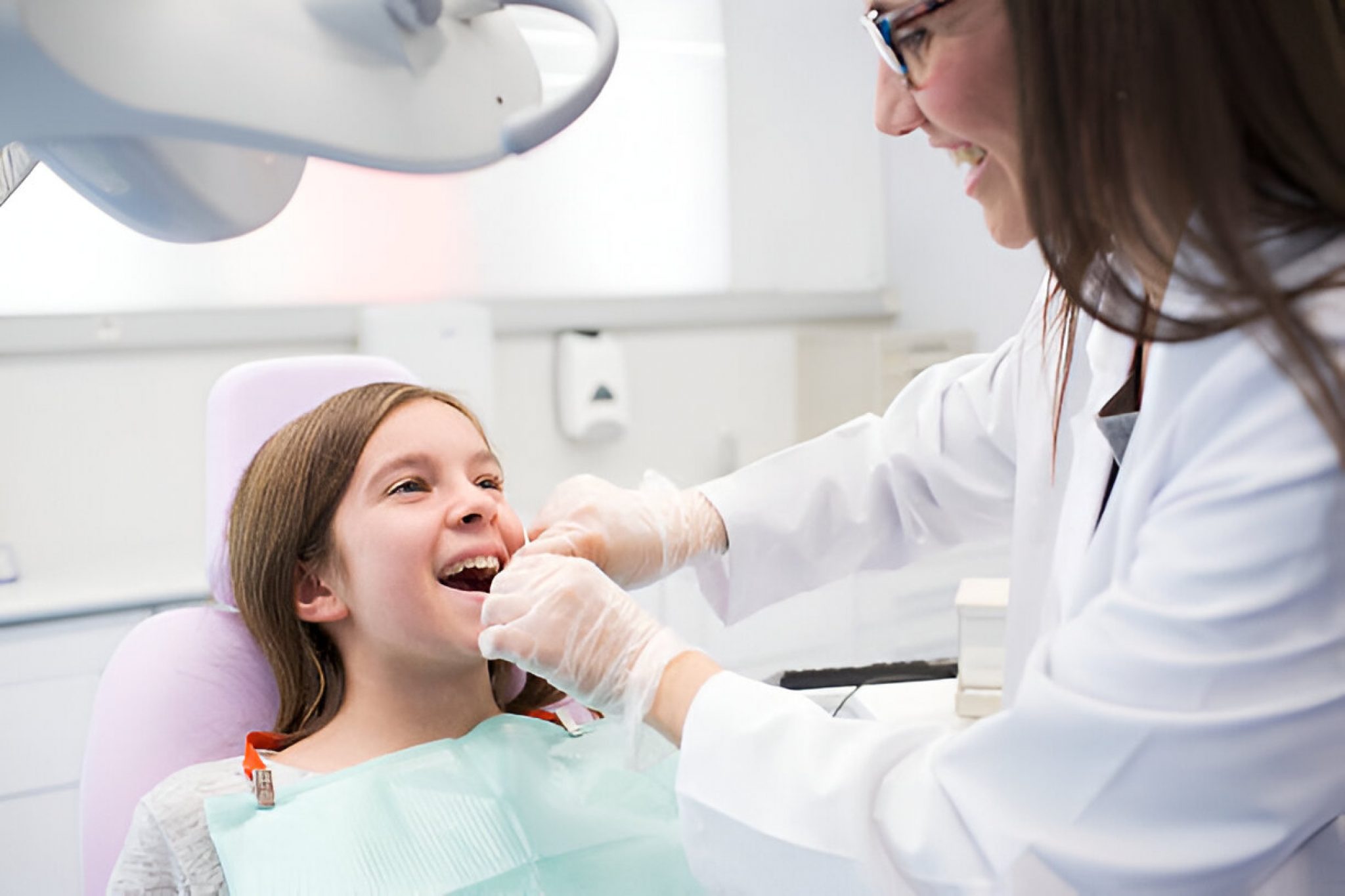
Cavities can spread fast. The sound of a drill can spread fear even faster. Silver diamine fluoride, or SDF, offers another path. You can stop many early cavities without shots or drilling. You can protect your child’s teeth while they sit in the chair with less stress. A dentist simply paints a clear liquid on the tooth. The liquid stops the decay and helps keep the tooth strong. Many parents feel relief when they learn this option exists. They want less pain, fewer visits, and calmer kids. This matters for children who are very young, have special needs, or feel deep fear at the dentist. Here is how a Modesto kids dentist may use SDF, what it can and cannot do, and how you can decide if it fits your child.
What Silver Diamine Fluoride Is
Silver diamine fluoride is a clear liquid. It has three main parts. Silver fights germs. Fluoride helps harden weak tooth surfaces. Ammonia keeps the liquid stable, so it works well on the tooth.
Researchers and dentists across the world use SDF to slow or stop tooth decay. The Centers for Disease Control and Prevention reports that tooth decay is one of the most common chronic conditions in children. SDF gives you one more tool to protect your child from that harm.
How SDF Treatment Works
The visit is often short. Many children tolerate it well because there is no drilling or numbing shot. You and your child can expect three basic steps.
- The dentist dries the tooth and may clean surface plaque.
- The dentist places SDF on the cavity with a small brush or tiny piece of cotton.
- The liquid soaks in for up to one minute. Then the tooth is left to dry.
You can stay with your child during the visit in most offices. Your presence can calm your child. The dentist may use simple words such as “tooth paint” to keep fear low.
Who Can Benefit From SDF
SDF helps many children who struggle with traditional care. It is used most for:
- Very young children who cannot sit still for a drill.
- Children with special health needs who face more risk with longer visits.
- Children with a strong fear of shots, drills, or noise.
- Families who need a quick way to stop decay while they plan full treatment.
Older children and some adults can also gain from SDF. It can buy time when a regular filling is not yet possible.
What SDF Can and Cannot Do
SDF is strong against decay. Still, it has limits. It does not fix every tooth. It works best on small or moderate cavities that you catch early. It can stop decay from getting worse. It cannot rebuild large broken parts of a tooth.
The table below shows key differences between SDF and a regular filling.
| Feature | Silver Diamine Fluoride (SDF) | Traditional Filling
|
|---|---|---|
| Need for drilling | Usually no drilling | Drilling almost always needed |
| Need for numbing shot | Often no shot | Shot often needed |
| Visit length | Short visit | Longer visit |
| Pain during treatment | Little pain for most children | More stress for some children |
| Effect on cavity | Stops or slows decay | Removes decay and fills space |
| Tooth color change | Cavity turns dark | Tooth colored or silver filling |
| Best use | Early or moderate decay | Moderate to large decay |
Side Effects And Safety
Parents often worry first about safety. SDF has been studied for many years. The American Academy of Pediatric Dentistry supports its use for children when used as directed.
Common effects include three things.
- The decayed part of the tooth turns dark brown or black. Healthy tooth parts do not stain as much.
- A small amount may stain lips or skin. That stain often fades over one to three weeks.
- Some children notice a brief taste they do not like.
Allergy to SDF is rare. Your child should not receive SDF if there is a silver allergy. Share any past reactions with the dentist before treatment.
How Long SDF Lasts
SDF does not last forever. Many children need repeat applications. Dentists often place SDF on the same tooth one or two times in the first year. Then they watch the tooth during checkups.
The goal is simple. Stop the cavity from growing. Keep your child out of pain. Delay or avoid drilling when the tooth is not yet ready for a filling or crown.
How To Decide If SDF Is Right For Your Child
You can use three questions to guide your choice.
- Is my child too scared or too young for a drill right now
- Is the cavity small or moderate, without tooth swelling or deep pain
- Can our family accept a dark spot on the tooth in trade for less stress
If you answer yes to these, SDF may help. Ask the dentist to show you pictures of teeth before and after SDF so you can see the color change. Talk about when a full repair might still be needed.
How To Support Your Child After SDF
Strong home care helps SDF work better. You can:
- Brush your child’s teeth with fluoride toothpaste two times each day.
- Limit snacks that stick to teeth, such as candy, chips, and crackers.
- Offer water instead of sweet drinks between meals.
- Keep regular checkups so the dentist can watch treated teeth.
Clear steps and honest talk calm fear. When you understand SDF, you can stand with your child and face cavities with less worry and more control.