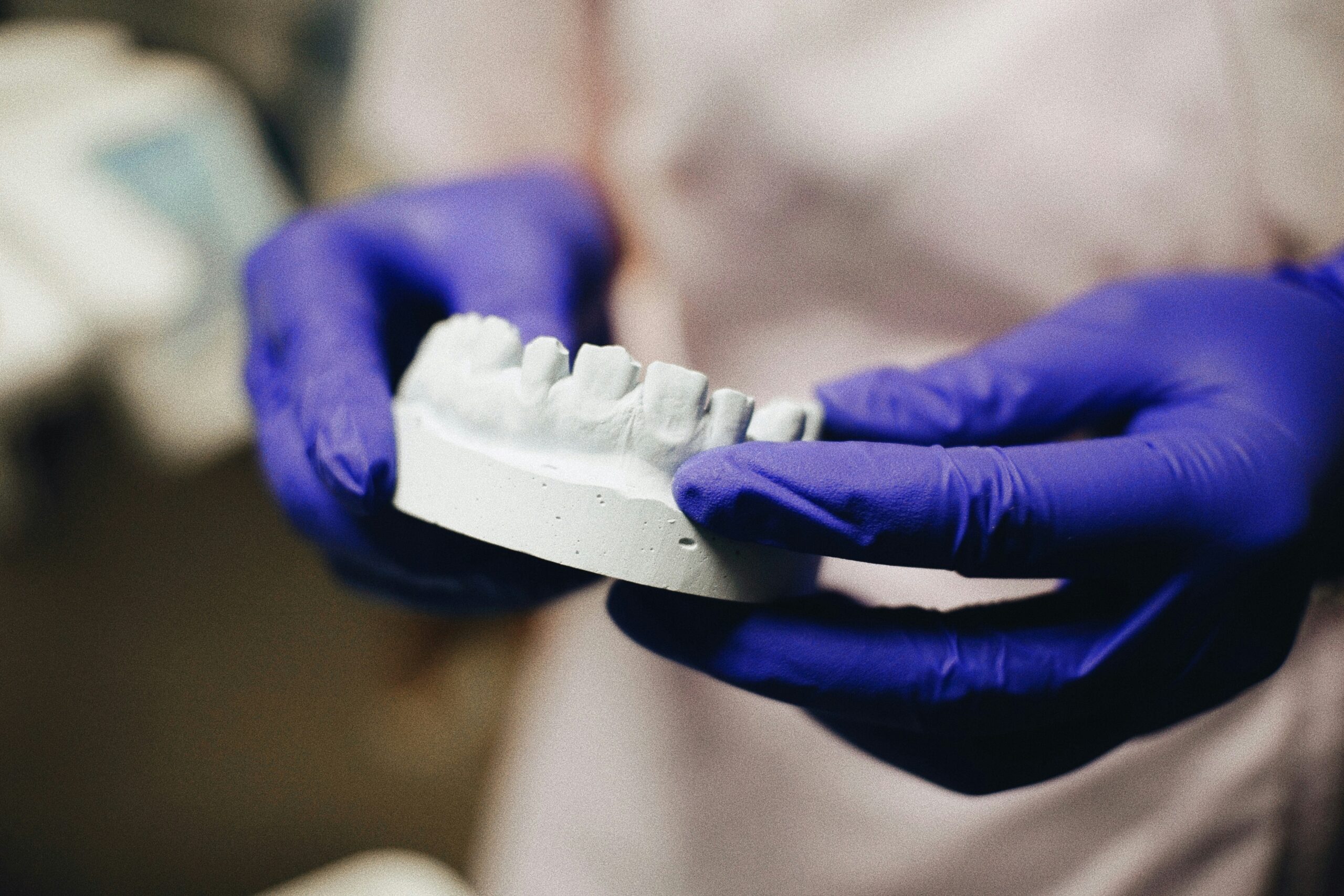
Living with diabetes, heart disease, or another long-term condition demands constant focus. Your mouth often gets pushed aside. That choice quietly harms your body. Inflammation, infection, and untreated tooth problems can raise blood sugar, strain your heart, and weaken your immune system. Regular preventive dental care lowers this stress. It gives your body fewer battles to fight. It also gives your medical team clearer information about your health. A dentist in Ballston, Arlington, VA can spot early warning signs during routine checkups. Small changes in your gums, tongue, or jaw can signal bigger shifts in your overall health. This blog explains three direct ways preventive dental visits protect you when you already manage a chronic condition. You will see how cleanings, exams, and simple daily habits help control pain, lower risk of emergency visits, and support your long-term treatment plan.
1. You lower infection risk and protect your immune system
Chronic conditions put constant pressure on your immune system. Your body already fights inflammation. When you add untreated gum disease or tooth infection, your body faces a second fight. That drains your strength and can lead to serious health crises.
Routine checkups and cleanings remove plaque and tartar. These sticky layers hold bacteria that trigger gum swelling and bleeding. When gums stay swollen, bacteria can slip into your bloodstream. That can affect your heart, lungs, and other organs.
During preventive visits, your dentist can
- Check your gums for swelling and bleeding
- Find small cavities before they reach the nerve
- Treat dry mouth that raises cavity risk
The Centers for Disease Control and Prevention explains that people with diabetes face a higher risk for gum disease. It also notes that treating gum disease can help control blood sugar.
Here is a simple comparison of oral infection risk with and without regular preventive care.
| Health situation | Preventive dental visits | Typical oral infection risk
|
|---|---|---|
| Diabetes under medical care | Every 3 to 6 months | Lower gum infection risk and better blood sugar control |
| Diabetes with rare dental visits | Every few years or only for emergencies | Higher gum infection risk and harder blood sugar control |
| Heart disease under medical care | Every 6 months | Lower chance that mouth bacteria spread through blood |
| Heart disease with no regular cleanings | Only visits for pain | Higher chance of severe gum disease and tooth loss |
This table shows a pattern. Consistent preventive care makes infection less likely. That gives your immune system fewer fires to control.
2. You support better control of chronic conditions
Your mouth and body work as one system. When your gums bleed or your teeth hurt, you might eat less, skip healthy foods, or lose sleep. Each of these problems can push your condition out of balance.
For example, mouth pain may push you toward soft, processed foods. These foods often raise blood sugar or blood pressure. Tooth pain can also make it hard to chew meat, raw vegetables, or nuts. That limits protein and fiber. Over time, your body loses key nutrients that support healing.
Preventive care helps you keep a stable routine. Regular exams and cleanings keep teeth strong. That makes it easier to
- Follow the meal plan set by your medical team
- Take medicines that must be swallowed or dissolved
- Sleep through the night without tooth pain
The National Institute of Dental and Craniofacial Research describes how oral health connects to heart disease, stroke, and pregnancy outcomes.
During preventive visits, your dentist can share simple changes that support your treatment plan. For example, if you take medicines that dry your mouth, your dentist might suggest
- Using a fluoride rinse
- Sipping water through the day
- Choosing sugar free gum to trigger saliva
These steps keep your mouth more comfortable and reduce cavity risk. That stability helps your other doctors manage your condition with fewer surprises.
3. You avoid dental emergencies and protect your energy
Emergency dental visits drain your strength. They also drain your time and money. A sudden abscess or broken tooth may lead to urgent treatment, antibiotics, or even a hospital stay. For someone who already manages a serious condition, this shock can feel crushing.
Preventive dental care works like routine checks on a car. It finds weak spots before they fail. During a standard visit, your dentist can
- Spot small cracks in old fillings
- See early signs of jaw joint strain
- Notice changes in soft tissues that might signal oral cancer
When your dentist treats problems early, you avoid longer and more painful procedures. You also avoid gaps in your ability to eat, speak, and work.
Here is how preventive care often changes outcomes.
| Dental issue | With regular preventive care | Without regular preventive care
|
|---|---|---|
| Small cavity | Quick filling and same day comfort | Large cavity, possible root canal, higher cost |
| Early gum disease | Deep cleaning and home care plan | Tooth loss, infection, possible hospital visit |
| Minor jaw pain | Night guard and habit changes | Severe jaw joint damage and chronic pain |
These differences matter for anyone. They carry extra weight when you also track blood sugar, blood pressure, breathing, or immune function. Fewer emergencies mean fewer sudden medicines, fewer missed workdays, and less emotional shock.
Simple steps you can take today
You do not need to change everything at once. You can focus on three steps.
- Schedule a preventive visit and share your medical history and medicine list
- Brush twice each day with fluoride toothpaste and clean between teeth once each day
- Watch for warning signs like bleeding gums, loose teeth, or mouth sores that do not heal within two weeks
Each visit and each small habit protect your strength. Your health story is already demanding. Preventive dental care gives your body one less fight to carry.