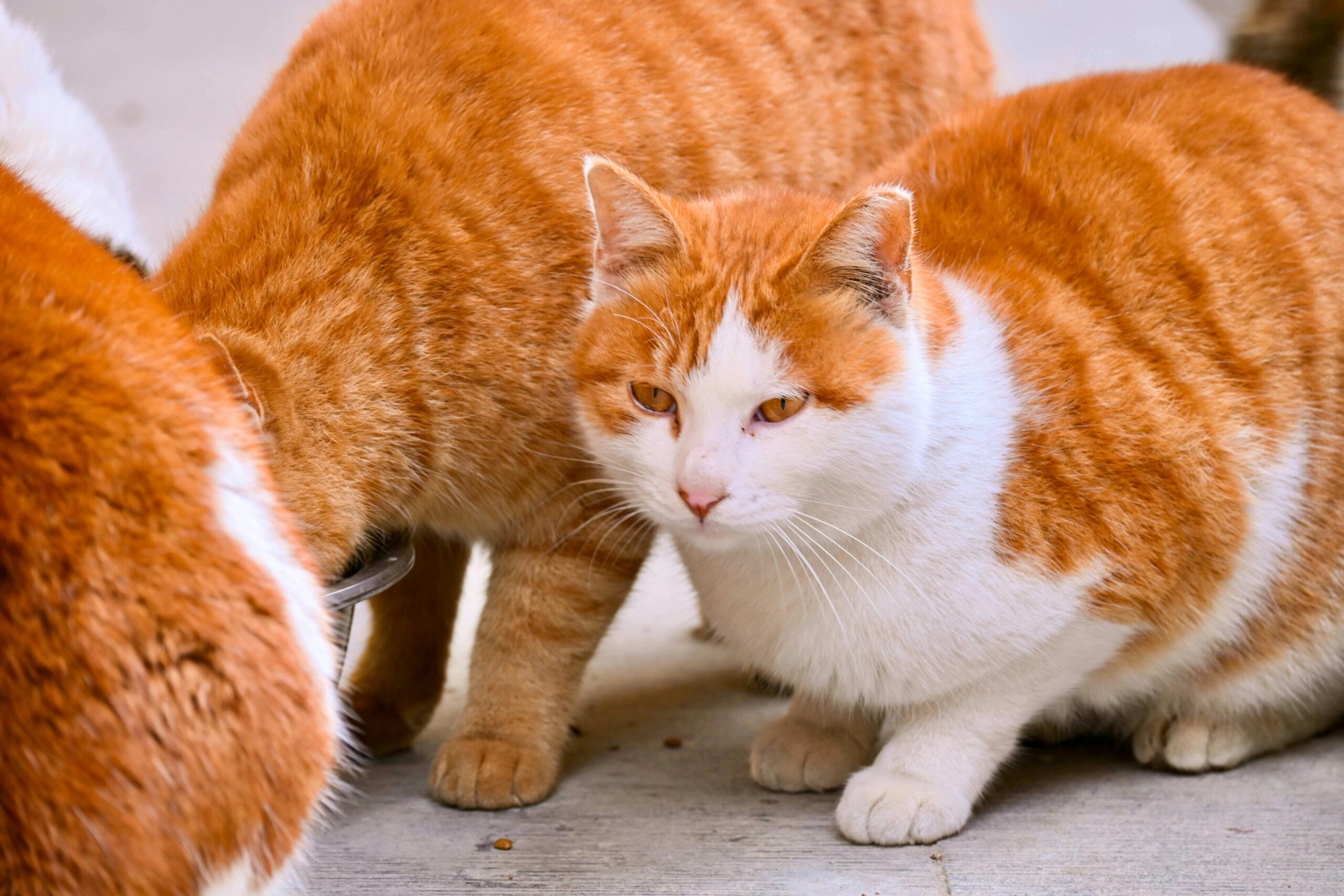
When your pet gains or loses weight, it is not a small issue. Extra pounds strain joints and the heart. Sudden weight loss can signal hidden disease. You may feel worry or guilt. You are not alone. Every day, animal hospitals track pet weight with simple tools and steady routines. Staff record each weigh in, review food choices, and watch how your pet moves and rests. They compare numbers over time and look for quiet warning signs that you might miss at home. A veterinarian in Midlothian, VA uses these methods to protect pets from pain, diabetes, and early heart trouble. Care teams also help you set clear goals that fit your daily life. You learn what to feed, how much to feed, and when to adjust. With the right plan, weight checks become a normal part of each visit, not a moment of fear.
Why pet weight matters so much
Extra weight hurts your pet in three main ways. It shortens life span. It raises the risk of disease. It cuts daily comfort.
- Shorter life. Studies show that lean dogs live longer than overweight dogs.
- Higher disease risk. Extra fat links to diabetes, arthritis, breathing trouble, and some cancers.
- Less comfort. Heavy pets tire quickly. Jumps, stairs, and play become hard work.
The first step: a true weight and body score
Each visit starts with a scale. Staff places your pet on a flat scale that reads in small units. They use the same scale each time when possible. They also record if your pet wears a harness or coat.
Next, they judge body condition. They use a body condition score, often on a 1 to 9 scale. A score of 4 or 5 is ideal. Staff feels ribs, waist, and belly tuck. They look at your pet from the side and from above. This helps when long fur hides changes.
They may also use a muscle score. This finds muscle loss that can hide under extra fat. It matters in older pets that lose muscle yet keep fat.
How clinics track weight over time
One weight means little by itself. The trend tells the true story. Animal hospitals use three tools to track that trend.
- Electronic records that store each weight with the date
- Growth charts for puppies and kittens
- Flags when weight changes more than a set percent between visits
Staff compare each new weight to past visits. They look for fast gain or loss. A change of more than 5 percent in a month draws concern. They also match weight to age, breed, and lifestyle.
Comparing home checks and hospital checks
You play a direct role between visits. Some owners use home scales to watch trends. Clinics know home tools differ from clinic tools. Still, both matter. The table below shows how each method helps you and your pet.
| Method | What it shows | Strengths | Limits
|
|---|---|---|---|
| Clinic scale | Exact weight on a calibrated scale | High accuracy. Same method for each visit. Staff can confirm the body score. | Only at visits. Stress can change how your pet stands on the scale. |
| Home scale | Trend over weeks between visits | Frequent checks. Early notice of gain or loss. | Less exact. Hard with large pets. Needs notes to track changes. |
| Body condition score | Fat cover and shape | Works even when scales are not nearby. Helps with long fur. | Needs training to score the same way each time. |
How hospitals build a weight plan
Once staff know your pet’s starting point, they build a simple plan. They focus on three parts. Food, movement, and follow-up.
For food, they:
- Measure current food intake, treats, and table scraps
- Pick a calorie goal based on ideal weight and age
- Choose a food that fits your pet’s needs and your budget
For movement, they:
- Ask about your schedule and home space
- Suggest short, steady play instead of sudden hard workouts
- Adjust plans for joint pain or heart disease
For follow up, they:
- Set a clear target, such as 1 to 2 percent body weight loss per week
- Schedule weigh-ins every 2 to 4 weeks at first
- Change food amount if weight loss is too slow or too fast
What staff watch for at each visit
Each weight check is more than a number. Staff also watch behavior and body clues. They ask three key questions.
- Is your pet eating and drinking as expected
- Is energy level up, down, or the same
- Is there any change in stool, urine, or breathing
They also look at skin fit, collar size, and how your pet stands, sits, and lies down. Subtle changes can warn of pain or disease.
How labs and tests support weight care
Sometimes, weight change comes from a hidden illness. In that case, your veterinarian may suggest tests such as:
- Blood work for thyroid disease, diabetes, or organ trouble
- Urine tests for kidney health and infection
- X-rays when joint pain or chest trouble is present
Your role between visits
You are with your pet every day. Animal hospitals count on you to:
- Feed the measured amount, not a “scoop” that changes
- Limit treats to no more than 10 percent of daily calories
- Write down weekly home weights or body notes
- Call if you see a fast weight change, breathing change, or new limping
With steady checks, clear plans, and frank talks, you and your care team can protect your pet’s weight and comfort. Small steps, done often, guard years of shared time.