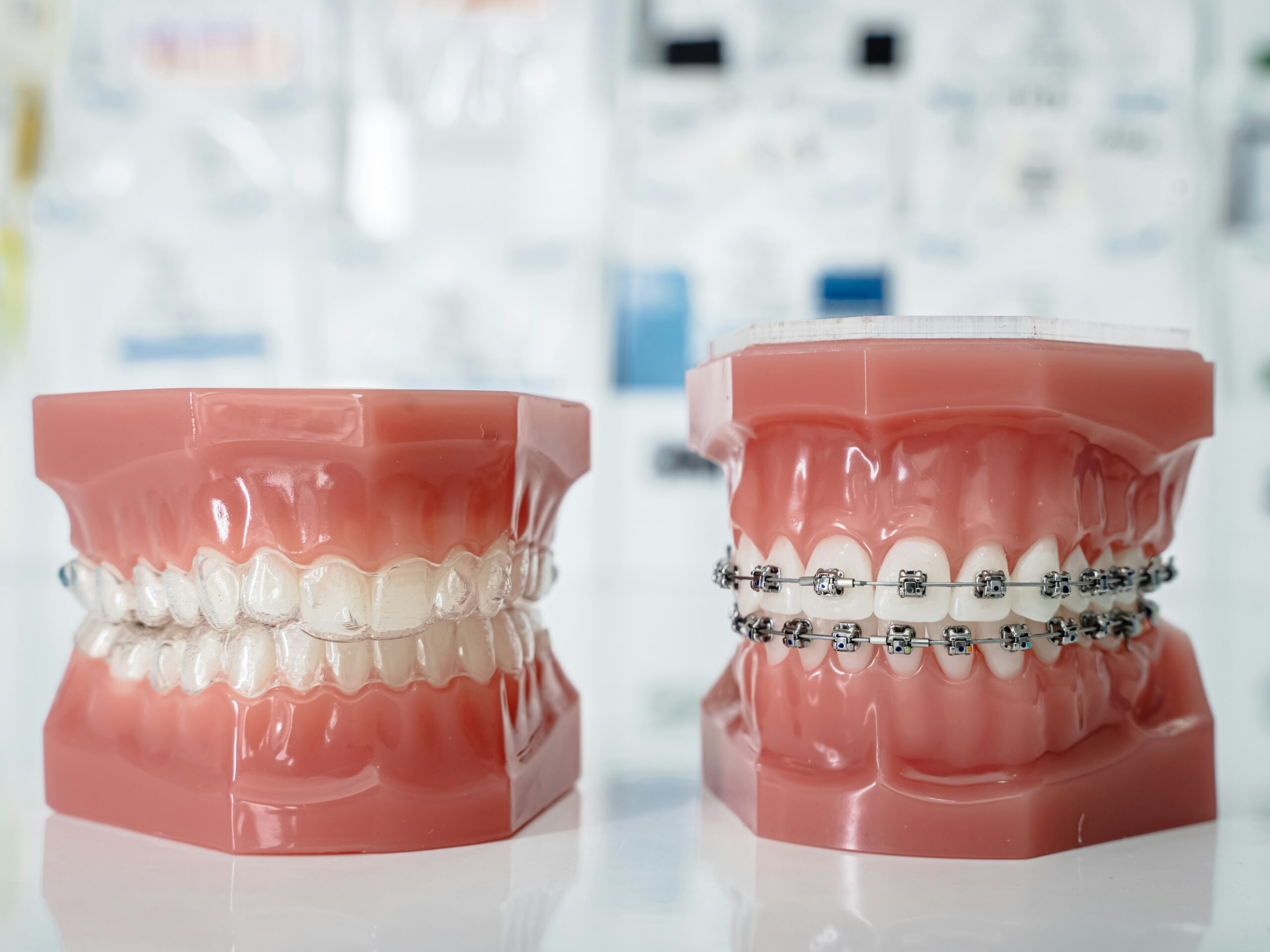
Crooked teeth, painful bites, and long braces treatment often start with small problems that grow over time. You can stop many of these problems early with simple preventive care. You brush, floss, and see your dentist, but you may not see how these habits protect your child from years of orthodontic work. Early checkups help spot crowding, jaw growth issues, and harmful habits before they become hard to fix. A North York dentist can watch how teeth and jaws grow and guide you on what to do now. This guidance may reduce or even remove the need for braces later. Regular cleanings, fluoride, and sealants also cut the risk of cavities that can shift teeth. You gain control. You protect your child from pain, cost, and stress. You start with small daily steps that have long lasting effects.
Why early preventive care changes the story
Teeth and jaws grow fast in childhood. Problems that seem small at age five can turn into major bite issues by age twelve. Early visits give you three strong advantages.
- You catch crowding before permanent teeth get stuck.
- You guide jaw growth while bones still change.
- You stop habits like thumb sucking that twist teeth.
The American Association of Orthodontists advises a first checkup by age seven. You can read more about this timing from the National Institutes of Health. Early care does not always mean early braces. It often means careful watching and small steps that prevent bigger work.
How daily habits lower future orthodontic needs
Strong daily habits keep teeth stable. When gums stay healthy, and teeth stay free of decay, they are less likely to move out of place. You can focus on three daily steps.
- Brushing. You help your child brush twice a day with fluoride toothpaste.
- Flossing. You clean between your teeth once a day to remove sticky plaque.
- Smart drinks and snacks. You limit sugary drinks and constant snacking.
These steps lower the risk of cavities and gum disease. Cavities can change the shape of teeth. Extractions can leave gaps that cause drifting and tipping. Gum disease can lead to bone loss. This loss can weaken support and cause teeth to shift. Strong habits protect the mouth from this chain reaction.
Role of regular dental visits
Routine visits do more than clean teeth. They give your dentist a clear view of growth patterns. You gain three key benefits.
- Growth checks. Your dentist tracks how baby and adult teeth come in.
- Early X rays. Targeted images show teeth that are stuck or rotated.
- Preventive treatments. Fluoride and sealants strengthen weak spots.
Sealants are thin coatings that protect the chewing surfaces of back teeth. The Centers for Disease Control and Prevention explains that sealants can prevent up to 80 percent of cavities in molars. Fewer cavities and extractions mean a lower chance of crooked patterns that need braces.
Common habits that raise orthodontic risk
Certain childhood habits put strong pressure on teeth and jaws. You can watch for three common ones.
- Thumb or finger sucking after age four.
- Extended pacifier use.
- Mouth breathing and tongue thrusting.
These habits can cause open bites, narrow arches, and flared front teeth. A dentist can show you gentle ways to reduce these habits. Simple tools or behavior plans at a young age may prevent future jaw treatment.
How preventive care compares with late treatment
You may wonder how early care and late braces compare. The table shows general patterns for many families.
| Factor | Strong preventive care from early childhood | Limited preventive care and late treatment
|
|---|---|---|
| Number of cavities | Lower | Higher |
| Need for extractions | Less likely | More likely |
| Chance of crowding and bite issues | Reduced | Increased |
| Length of braces treatment if needed | Often shorter | Often longer |
| Overall cost over childhood and teen years | Usually lower | Usually higher |
| Child stress and discomfort | Less intense | More intense |
Every child is unique. Yet patterns are clear. Consistent early care often leads to less complex orthodontic work.
Supporting children through each growth stage
Your role as a parent changes as your child grows. You can adjust your support at each stage.
- Toddlers and preschoolers. You do the brushing. You watch for thumb or pacifier habits.
- School age children. You share brushing. You guide flossing. You schedule checkups.
- Teens. You support their choices. You keep regular visits and honest talks about mouth care.
At every stage, you set the tone. Calm routines and clear limits build a sense of safety. Children sense that their mouth health matters.
When orthodontic treatment is still needed
Even with strong preventive care, some children still need braces or other orthodontic treatment. Genetics, jaw size, and tooth shape all play a role. Preventive care still helps in three ways.
- Teeth start out cleaner and stronger, so braces are easier to manage.
- Gums are healthier, so treatment is safer.
- The treatment plan may be simpler and shorter.
Preventive care does not promise a perfect smile. It does give your child a stronger base for any needed treatment.
Taking the next step
You do not need major changes to protect your child from heavy orthodontic needs. You can focus on three clear actions.
- Keep regular dental visits starting by the first birthday or when the first tooth comes in.
- Build daily brushing and flossing habits and choose water over sugary drinks.
- Ask your dentist early about jaw growth, crowding, and habits that may affect teeth.
Each small step you take now can spare your child from future pain and long-term treatment. You gain peace of mind. Your child gains a stronger, more stable smile.