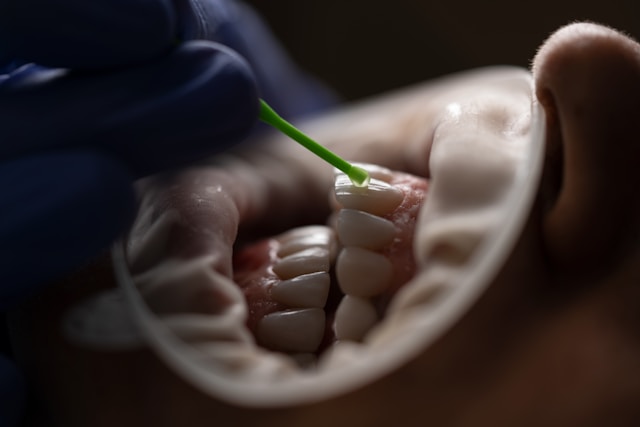
You enjoy a brighter smile after cosmetic treatment. Then daily life returns. Coffee stains, stress, and skipped flossing begin to undo the progress. Preventive dentistry protects your mouth during this time. It keeps your results steady and your teeth strong. A family and cosmetic dentist in Jenison uses simple steps to stop small problems early. You get exams, cleanings, and honest guidance. You learn what to watch for at home. You gain control over pain, cost, and time in the chair. Each preventive visit supports your last cosmetic visit. It also prepares you for your next one. You do not wait for a crisis. You act early. This blog explains how routine care shields teeth, gums, and past cosmetic work between visits. You see how small habits and regular checkups protect your smile every day.
Why Cosmetic Results Fade Without Prevention
Cosmetic care improves what you see in the mirror. Preventive care protects what lives under the surface. You need both. Without steady care between visits, three problems rise fast.
- Stains from daily food and drinks
- Hidden decay around fillings, veneers, or crowns
- Gum swelling that weakens support for teeth
Whitening does not stop new stains. Veneers do not stop plaque. Clear aligners do not block gum disease. You protect your investment when you guard the teeth and gums that hold the cosmetic work.
Core Preventive Services That Guard Cosmetic Work
Routine visits do more than clean teeth. They give three strong layers of defense between cosmetic visits.
1. Exams That Catch Small Changes Early
During an exam, your dentist checks teeth, gums, and past cosmetic work. You get early warnings about issues that can ruin results.
- Tiny chips in veneers
- Gaps at the edge of crowns
- Shifting teeth after orthodontic work
- Red or bleeding gums near cosmetic work
The dentist fixes small problems before they grow into pain, infection, or tooth loss.
2. Professional Cleanings That Reach Hidden Spots
Brushing and flossing help. They still miss spots under the gums and between tight teeth. A hygienist removes plaque and hard tartar that you cannot clean at home.
This cleaning does three things that protect cosmetic results.
- Reduces stain build up on natural teeth
- Lowers gum swelling that can expose edges of veneers or crowns
- Decreases bacteria that cause decay around cosmetic work
3. Protective Treatments That Strengthen Teeth
Some mouths need extra help. Your dentist may suggest fluoride treatments or sealants. These treatments reduce the chance of decay around bonding, fillings, or crowns.
Fluoride strengthens weak spots in enamel. Sealants block food from settling in deep grooves. The goal is simple. Keep the tooth strong so the cosmetic work lasts longer.
Daily Habits That Extend Cosmetic Results
You spend only a few hours a year in the dental chair. You spend the rest of the time at home, work, or school. Your daily habits decide how long your cosmetic results last.
Brush and Floss With Care
Use a soft toothbrush and fluoride toothpaste. Brush twice a day. Floss once a day. Move the brush gently along the gumline and around any cosmetic work.
According to the Centers for Disease Control and Prevention, nearly half of adults have gum disease. Regular brushing and flossing cut this risk. That protects both natural teeth and cosmetic work.
Watch What You Eat and Drink
Some foods and drinks stain or weaken teeth faster.
- Coffee, tea, and red wine stain whitening results
- Sugary drinks feed cavity causing bacteria
- Sticky snacks cling to teeth and sit between them
You do not need to give up every treat. You can limit them, rinse with water after, and avoid sipping sweet drinks for long periods.
Protect Teeth From Grinding and Injury
Grinding or clenching can crack teeth and cosmetic work. Sports injuries can chip veneers or crowns.
- Wear a night guard if you grind while you sleep
- Use a mouthguard during sports
- Avoid using teeth to open packages or bite hard objects
How Preventive Visits Save Time and Money
Preventive care uses small steps to avoid large problems. You trade short visits for fewer emergencies and fewer complex treatments later.
Preventive Care vs Waiting for Problems
| Approach | Typical Visit Length | Common Outcome | Effect on Cosmetic Work
|
|---|---|---|---|
| Regular exams and cleanings | 45 to 60 minutes | Early detection and simple fixes | Longer lasting whitening, veneers, and crowns |
| Waiting until pain or damage | 60 to 120 minutes | Root canals, extractions, or new crowns | Higher risk of losing or redoing cosmetic work |
| Home care plus professional care | Shorter treatment visits over time | Fewer emergencies | Stable smile and steady color |
The pattern is clear. Steady prevention reduces surprise costs and protects past cosmetic work from early failure.
Special Concerns for Common Cosmetic Treatments
Whitening
Whitening changes color, not structure. Teeth can stain again. Preventive care focuses on stain control.
- Regular cleanings remove new surface stains
- Guidance on safe touch-up whitening keeps enamel strong
- Diet tips help you avoid fast re-staining
Veneers and Crowns
Veneers and crowns cover teeth, but the tooth under them can still decay or crack. Gums around them can still get infected.
- Exams check edges for gaps where bacteria can enter
- Cleanings remove plaque that collects at the gumline
- X rays help spot decay under or around the work
Orthodontic Treatment and Aligners
After braces or aligners, teeth can shift. Gums can swell if cleaning is hard. Retainers help, but they also trap plaque if you do not clean them.
- Routine checks confirm that teeth stay in place
- Professional cleanings clear plaque around retainers
- Home care teaching helps you clean around wires or trays
How Often You Should Schedule Preventive Visits
Many people benefit from a checkup and cleaning every six months. Some need visits every three to four months. The right schedule depends on three things.
- Your risk for cavities or gum disease
- Your current cosmetic work
- Your health, medications, and daily habits
The American Dental Association explains that your dentist can adjust the timing based on your needs and risk.
Taking Your Next Step
You do not need perfect habits to protect your smile. You only need steady ones. Brush, floss, and watch what you drink. Then keep regular preventive visits. You protect your comfort. You protect your budget. You protect the cosmetic work you already paid for.
Your smile is not a one-time project. It is a living part of you. When you pair cosmetic care with strong prevention, you keep that smile clear and strong between every visit.