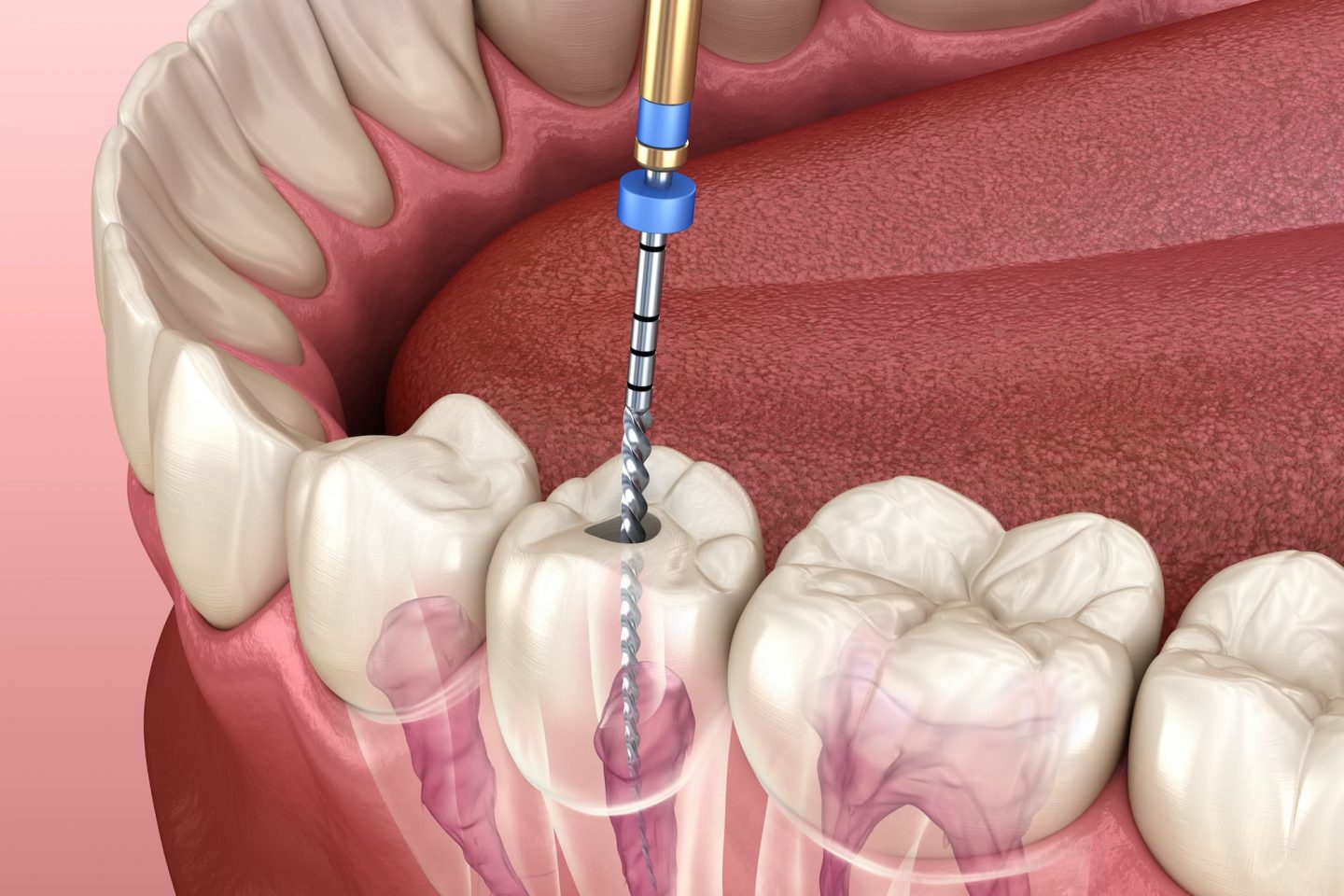
Your smile work should last. Yet many people invest in crowns, veneers, or all on 4 dental implants in North Houston and then watch results fade too soon. The problem often starts where you least expect it. It begins with your gums and daily home care. Healthy teeth and gums protect cosmetic work from infection, decay, and early failure. Weak oral health turns even the best treatment into a short-term fix. You cannot separate looks from health. Strong brushing, flossing, and regular cleanings help restorations stay tight, stable, and clean. So does treating gum disease early. This blog explains how everyday habits, routine dental visits, and early treatment choices shape how long your cosmetic restorations last. You deserve work that stands up to time, stress, and daily use. You can protect that investment by treating your mouth as the base that holds every cosmetic result in place.
Why Oral Health Controls How Long Restorations Last
Cosmetic work covers teeth. It does not cure disease. If you place new material over decay or infection, trouble keeps growing under the surface. That trouble then cracks, stains, or loosens your restorations.
Three main forces shorten the life of your cosmetic work.
- Tooth decay. Bacteria eat through natural tooth next to crowns or veneers. Then the edge leaks and the work fails.
- Gum disease. Swollen, bleeding gums pull away from teeth. Then, bacteria reach roots and implant posts.
- Bite stress. Clenching or grinding chips of porcelain weakens the glue.
You control each of these more than you think. Daily cleaning, smart food choices, and regular exams stop small problems before they destroy your restorations.
How Oral Health Affects Different Types Of Restorations
Each type of cosmetic work has weak spots. When you keep your mouth clean and your gums firm, you protect those spots.
| Restoration type | Main risks from poor oral health | What strong oral care does
|
|---|---|---|
| Crowns | Decay at the edge of the crown. Gum recession that exposes roots. | Removes sticky film near the edge. Keeps gums tight around the crown. |
| Veneers | Cavities between teeth. Stains at the edges. Chipping from grinding. | Protects enamel under and between veneers. Reduces plaque that causes stains. |
| Tooth colored fillings | New decay around the filling. Fractures from bite stress. | Cuts down bacteria that start new cavities. Let your dentist smooth high spots early. |
| Traditional implants | Bone loss from gum infection. Loose crowns on implant posts. | Keeps tissue clean around posts. Supports strong bone, so the post stays firm. |
| All on 4 style implant bridges | Food trapped under the bridge. Infection around posts. Bad breath. | Clears trapped food. Lowers germs that attack the bone and gums. Keeps breath fresh. |
The message is simple. Healthy teeth and gums keep every type of cosmetic work stable and clean for many years.
The Role Of Gums And Bone In Long Lasting Results
Gums and bone form the base for your smile. When they weaken, every crown, veneer, or implant feels the impact.
Gum disease often starts silently. You may see light bleeding on your toothbrush. You may notice a foul taste. Then, over time, bone slowly shrinks. This process can loosen teeth and implant posts.
The Centers for Disease Control and Prevention explain how common gum disease is and how it links to health across the body.
For cosmetic work, shrinking gums and bone lead to three problems.
- Gaps between teeth and gums that trap food.
- Long looking teeth and dark lines near crowns.
- Higher risk that implants lose support.
Early care stops this damage. Regular cleanings remove hardened buildup that brushing cannot reach. Targeted treatment can calm the infection and help the gums tighten again.
Daily Habits That Protect Your Cosmetic Work
You see your dentist only a few times each year. You care for your mouth every day. That daily care makes a real difference.
Use three steady habits.
- Brush two times each day. Use a soft brush and fluoride paste. Spend two full minutes. Clean along the gumline and around every crown, bridge, or implant.
- Floss or use cleaners between teeth. Slide floss under bridges and around implant posts. You can also use small brushes or threaders for tight spots.
- Rinse with water after meals. Swish strongly to move food from around veneers, crowns, and under fixed bridges.
The National Institute of Dental and Craniofacial Research outlines basic care steps that match these habits.
Children and older adults need support with these habits. Younger children need help brushing and flossing. Older adults with arthritis or health limits may benefit from electric brushes or water flossers.
Food, Drinks, and Behaviors That Shorten Restoration Life
What you eat and how you use your teeth also change how long your cosmetic work lasts.
Try to avoid three common habits.
- Frequent sipping of sweet drinks. Soda, sports drinks, and sweet coffee bathe teeth in sugar. This feeds decay around fillings and crowns.
- Using teeth as tools. Tearing open packages or chewing ice can chip veneers and crack crowns.
- Night grinding. Clenching in sleep puts a strong force on porcelain and glue.
You can protect your restorations by choosing water, chewing sugar-free gum, and cutting food into small pieces. You can also ask for a custom night guard if you grind. That thin shield absorbs pressure and protects the work you paid for.
Checkups And Cleanings: Your Early Warning System
Routine visits do more than polish your teeth. They act as an early warning system for your cosmetic work.
During these visits, your dentist can:
- Check the edges of crowns and veneers for leaks.
- Measure gum pockets around teeth and implants.
- Take X-rays to spot decay under restorations.
- Adjust your bite so certain teeth do not take all the pressure.
Small repairs cost less time and money than full replacements. A worn edge can often be smoothed or sealed. A light stain can be polished before it spreads.
Planning Cosmetic Work On A Healthy Foundation
If you think about new cosmetic work, start with a full health check of your mouth. Treat active decay. Calm gum disease. Review any habits like smoking or grinding that threaten long-term success.
Then you and your dentist can plan crowns, veneers, or implants on a clean base. That plan should include:
- Clear home care steps for you and your family.
- A schedule for follow-up visits and X-rays.
- Protection for high-risk teeth with guards or splints.
You do not need perfect teeth to start. You only need a mouth that is clean, stable, and ready to support your new smile.
Protect Your Investment And Your Health
Cosmetic restorations can bring relief, confidence, and comfort. Yet they last only as long as the teeth, gums, and bone that support them. When you keep your mouth clean, treat problems early, and show up for routine care, you protect both your appearance and your health.
Your daily choices carry real weight. Brush with care. Clean between teeth. Watch your food and drink. See your dentist on a steady schedule. These simple steps help your crowns, veneers, and implants stay strong and useful for years.