Image source: Unsplash
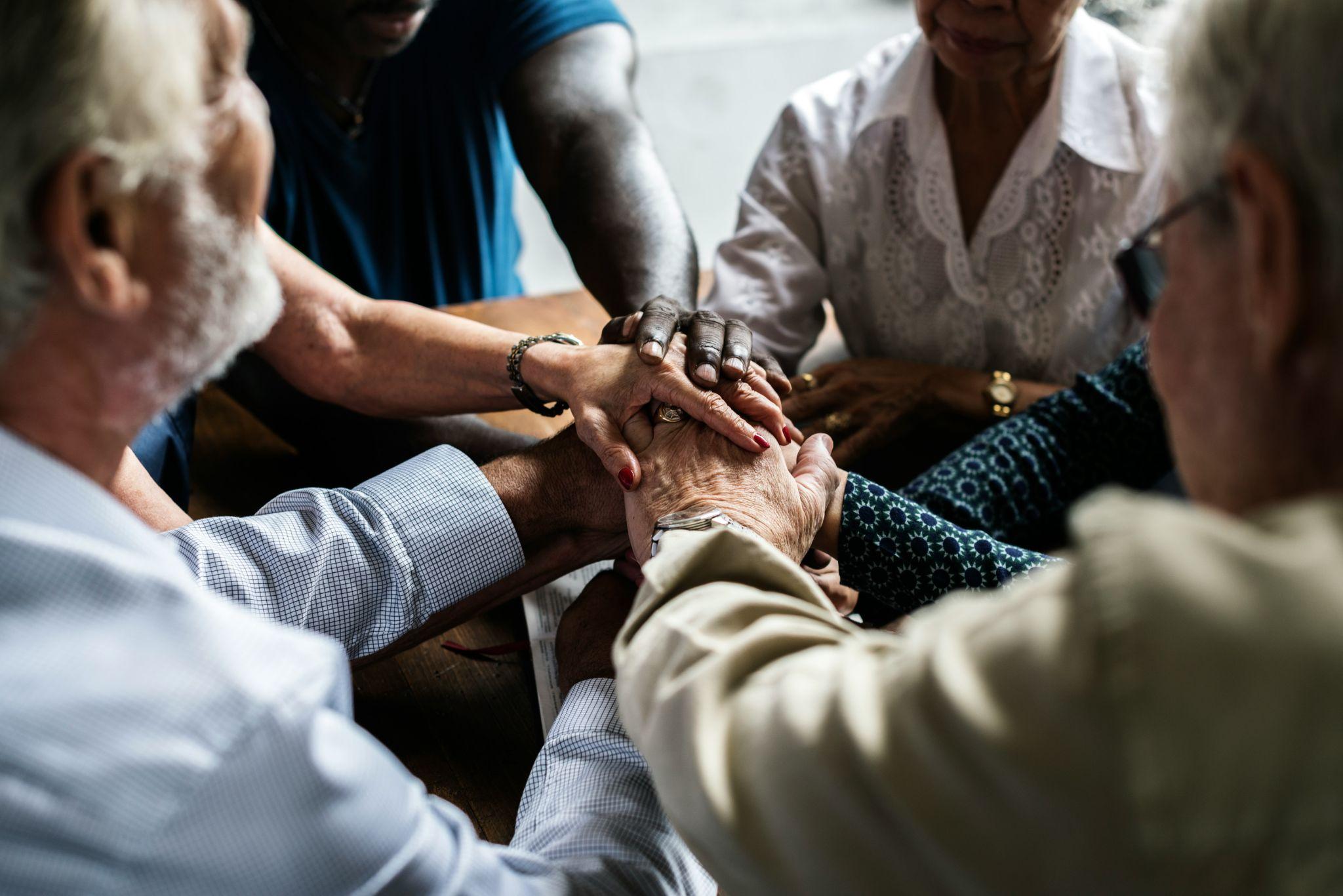
Faith-based communities continue to offer a meaningful space for spiritual growth, connection, and service in a changing society. These groups provide grounding through shared beliefs and values, while also remaining flexible enough to adapt to modern lifestyles and concerns. As noted by Stewart Ginn, leadership within these communities plays a vital role by offering guidance and support, while participation from members ensures sustained energy and engagement. As they grow, faith-based communities are expanding their reach through technology, addressing contemporary issues, and forming partnerships that extend their impact.
Core Beliefs and Shared Values
At the heart of every strong faith-based community lies a set of shared beliefs that guide behavior and build trust. These spiritual foundations help individuals feel part of something greater than themselves and offer a sense of direction during uncertain times. When people come together around a common mission, it strengthens unity and purpose.
Respect, service, and accountability are essential values that help build a healthy environment. These principles influence not only how members interact with one another but also how they engage with the outside world. Groups that emphasize these values often experience a greater sense of cohesion and mutual support. In many cases, these shared values are evident in how members care for one another during personal hardships or communal challenges.
Changing with Modern Times
Faith communities that thrive in today’s world are those willing to adapt without losing their foundation. Many have begun using digital tools like live-streamed services and messaging platforms to stay connected with members who can’t always attend in person. These updates help extend the reach of the community while keeping people engaged.
Addressing modern concerns such as anxiety, family stress, and social inequality has become increasingly important. Communities that actively respond to these challenges through counseling programs, educational events, or support groups are often better equipped to meet the needs of their members. Mental health, once a taboo subject, is now openly discussed in many congregations, breaking down barriers that once kept people silent.
Not everyone can commit to weekly gatherings, and that’s where flexibility becomes paramount. Offering small study groups, online discussions, or service-based meetups allows people to participate in ways that fit their schedules and lifestyles. This adaptability ensures that more people, regardless of circumstance, can stay involved and feel valued.
Leadership and Support Systems
Strong leadership plays a vital role in the health of any faith-based group. When leaders are approachable and consistent, they help cultivate trust and set the tone for how the community operates. Their presence gives members a sense of stability, especially during times of transition or uncertainty. A good leader also listens well and adapts to the needs of the group.
Equipping leaders and volunteers with the right tools is just as important as choosing the right people. Communities that invest in training and development often find that their teams are more confident and capable, which leads to stronger relationships and smoother operations. It’s not just about authority—it’s about fostering a culture of support, empathy, and shared responsibility.
Participation and Community Engagement
Active participation is what brings a faith community to life. When individuals of all ages feel encouraged to get involved, the group becomes more vibrant and connected. Whether it’s organizing events, helping with logistics, or simply showing up regularly, each contribution strengthens the fabric of the whole. Even small roles, like greeting newcomers or preparing refreshments, can make a big difference.
Some of the most lasting bonds are formed through shared experiences like group service projects or collaborative events. These moments create a sense of ownership and purpose that goes beyond weekly gatherings. When people feel that their presence matters, they’re more likely to stay committed.
Outreach and Long-Term Focus
Building partnerships with local organizations, schools, or shelters not only extends help to those in need but also deepens the sense of mission within the group. These kinds of relationships foster mutual respect and lasting change. Many communities also engage in international efforts, supporting missions or relief projects abroad.
Looking ahead, it’s important to track progress and stay aligned with long-term goals. Communities that revisit their mission regularly and evaluate their efforts tend to remain focused and resilient. By staying active in the broader world while remaining grounded in their purpose, they continue to grow with meaning and direction.