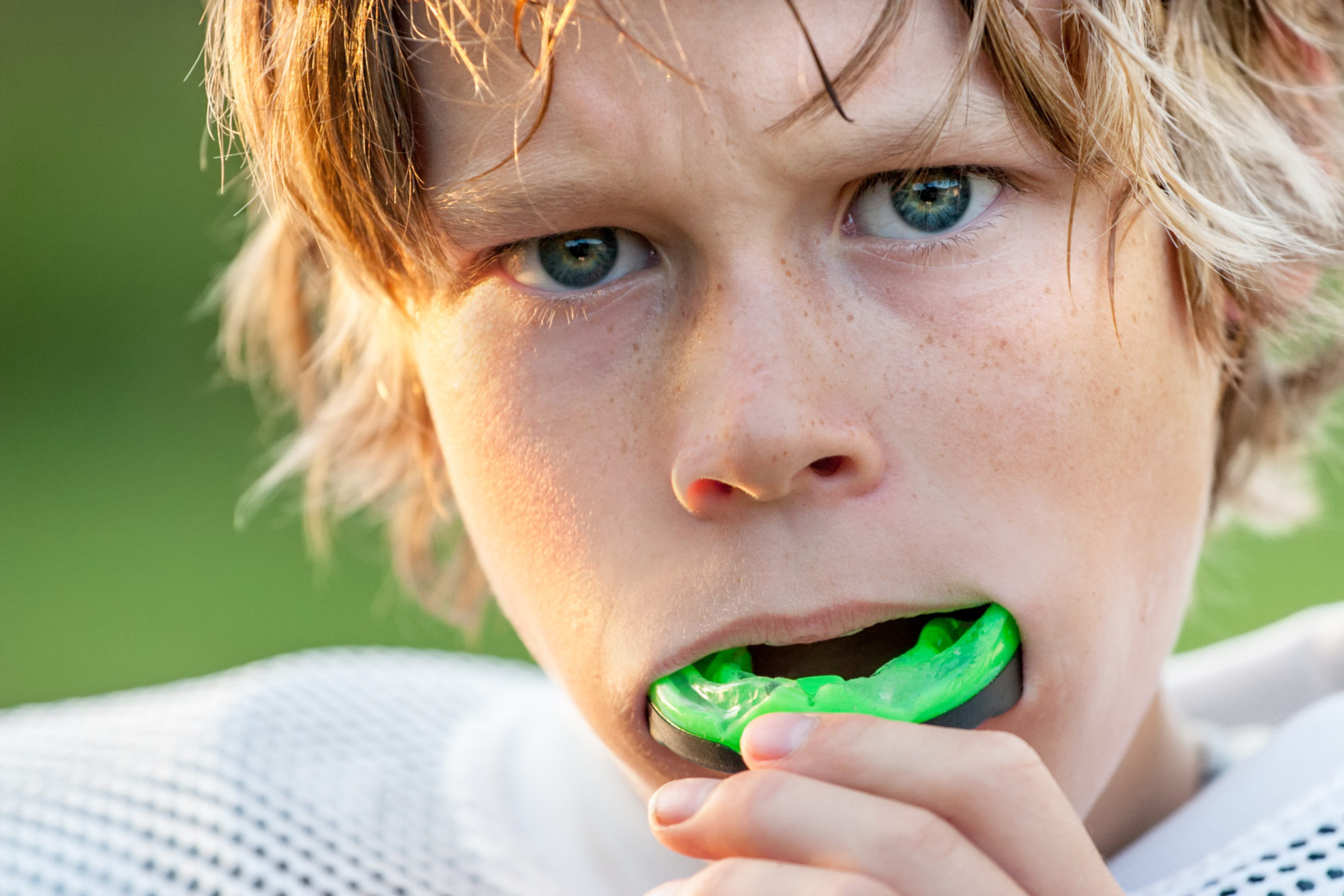
Your child plays hard. You want that strong body to include a safe mouth. One fast collision can crack teeth, cut lips, or cause jaw pain that lasts. Mouthguards protect. Yet many young athletes fight them. They say they feel strange, look odd, or make it hard to talk. You can change that. With patience and clear steps, you can turn a mouthguard from an enemy into normal sports gear. A trusted San Antonio dentist can help you choose the right fit and answer questions. This guide gives you five clear tips you can use today. You will learn how to pick a guard, how to fit it, and how to help your child accept it. You will also learn how to work with coaches and teams, so your child is not alone. Protecting a smile now can prevent painful care, missed games, and high bills later.
Why mouthguards matter for young athletes
Contact sports carry a real risk of broken teeth and jaw injuries. So do many non-contact sports. A simple fall on a court or field can slam teeth together and chip them. A ball can hit the mouth and cut the lips or gums.
The American Dental Association reports that sports cause up to one-third of dental injuries in children. You can see more data on sports mouthguards from the National Institutes of Health in this review on athletic mouthguards. A mouthguard absorbs impact. It spreads force across a wider surface. It keeps upper and lower teeth from crashing together.
Without onthe e, a single hit can lead to root damage, tooth loss, or long-term jaw problems. With one, your child has a simple shield that lowers those risks.
Tip 1: Choose the right type of mouthguard
You have three main choices. Each has tradeoffs in cost, comfort, and protection. The table below gives a simple comparison.
| Type | How it is made | Protection level | Comfort | Cost | Best for
|
|---|---|---|---|---|---|
| Stock | Pre-formed. Worn right out of the package | Low | Low | Low | Short term or backup use |
| Boil and bite | Softened in hot water. Then shaped to teeth at home | Medium | Medium | Medium | Most school sports |
| Custom made | Made from a dental mold in a clinic | High | High | High | Contact sports and kids with braces |
Stock guards often feel bulky. Many children refuse them. Boil-and-bite types work better for many families. Custom guards fit best and last longer.
The American Dental Association explains the types in more detail at its mouthguard guide. This can help you match your choice to your child and sport.
Tip 2: Involve your child in the choice
Children resist gear when they feel forced. You can lower that wall when you let them share control. First, explain the goal in plain words. You want to keep their teeth strong so they can eat, talk, and smile without pain.
Next, offer clear choices. You can let your child pick the color. You can compare two brands. You can ask which one feels better during a short try on at home. When children help choose, they feel some ownership.at makes daily use more likely.
You can also share short stories from older players your child likes. Many pro and college athletes use mouthguards. Point out that strong players protect their bodies.
Tip 3: Practice wearing the mouthguard at home
Do not wait for game day. A new mouthguard feels strange at first. Your child may gag, lisp, or drool. That can trigger shame in front of teammates.
You can prevent that with short practice times at home. Start with three simple steps.
- First, have your child wear the guard while watching a short show.
- Second, practice talking with it. Read a page out loud together.
- Third, add light movement. Have your child jog in place or dribble a ball while wearing it.
Keep each session short. Praise effort, not perfection. As comfort grows, your child will move from awkward to normal use. This steady practice helps the brain accept the new feeling.
Tip 4: Work with coaches and teammates
Coaches set the tone for safety. You can ask the coach to include mouthguards in the standard gear list. You can also request that the team use them during practice, not only during games.
When every player wears one, your child feels less singled out. The coach can also remind players to put them in before drills. That steady cue reduces forgotten gear and last-minute stress.
You can talk with other parents as well. Shared rules on mouthguards keep expectations clear. Children see that this is normal, not a punishment. Over time, the guard becomes like shin guards or helmets. It is just part of the uniform.
Tip 5: Care, clean, and replace on a schedule
A dirty or cracked mouthguard can cause problems. Bacteria build up on worn plastic. Sharp edges can cut gums or cheeks. You can avoid this with a simple care routine.
- Rinse the guard with cool water before and after use.
- Brush it gently with a toothbrush and mild soap.
- Store it in a hard, vented case.
Also, check the fit often. Growing mouths change quickly. If the guard feels tight, loose, or rough, it may be time for a new one. Children with braces may need more frequent checks. A dental visit at least once a year can confirm fit and protection.
Helping your child build a lasting safety habit
Mouthguards work only when your child uses them every time. You can link the guard to other pre-game habits. You can pair it with tying your shoes or filling a water bottle. This makes use automatic.
You can also set a clear rule. No mouthguard means no play. Keep the tone calm and steady. Your child may test the rule at first. Over time, the habit will stick.
Your child wants to move, compete, and smile. You want to prevent damage that can follow them for years. With the right guard, steady practice, and support from coaches, you can protect that smile while your child keeps playing hard.