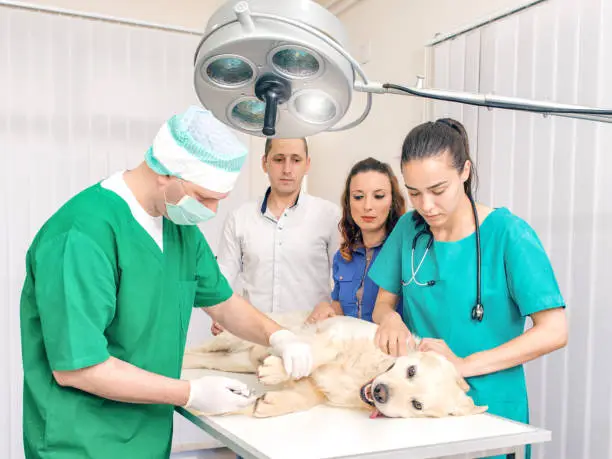
After surgery, your pet feels confused, sore, and scared. You feel worried and alone. An animal hospital gives both of you structure and calm. You get clear guidance. Your pet gets steady care. Skilled teams watch every small change. They manage pain. They prevent infections. They keep wounds clean. They also support eating, drinking, and movement, which protect healing. In a place like veterinary Newport Beach, staff use simple tests and close observation to spot problems early. Quick action can prevent setbacks and emergency visits. Care does not stop in the surgery room. Instead, the hospital becomes a bridge between surgery and normal life at home. You learn how to lift, feed, and comfort your pet without causing harm. You also gain direct answers to hard questions, which lowers fear and guilt during a raw and exhausting time.
Why Your Pet Needs Structured Rehab After Surgery
Healing is not automatic. Your pet’s body works hard after surgery. Without the right support, scars can thicken. Joints can stiffen. Muscles can shrink. You may not notice slow changes until your pet starts to limp or refuse stairs.
Animal hospitals create a clear plan. Staff match rest, movement, and pain control to your pet’s age, size, and surgery type. You also get one point of truth. That prevents mixed messages from online posts or neighbors who mean well but guess.
The Hidden Risks Of Home Only Recovery
Many problems start small. A little swelling. A slight drop in appetite. A stitch that looks off. At home, these signs blend into daily stress. In a hospital setting, they stand out.
Common risks during home-only recovery include three main groups.
- Infection at the incision site
- Uncontrolled pain that slows movement
- Too much or too little activity
Each risk can turn a simple surgery into a long struggle. A short follow-up stay or repeated rehab visits cut those odds. Staff can clean wounds, adjust pain medicine, and guide safe walking plans on the spot.
Key Services Animal Hospitals Provide After Surgery
Post-surgery support is more than a quick check. It covers three core needs.
- Pain control. Staff use pain scales, touch, and movement tests to see how your pet feels. They adjust medicine and use simple comfort steps like padded bedding and quiet rooms.
- Wound and infection care. They check redness, warmth, and discharge. They clean and bandage as needed. They also send samples for lab tests if they suspect infection.
- Safe movement and strength. They coach you on leash walks, stairs, and crate rest. Some hospitals use water treadmills or controlled exercises to keep muscles working without strain.
The American Veterinary Medical Association explains that pain control and wound care are core parts of responsible surgery recovery. You can read their guidance on postoperative care at AVMA pain management for pets.
How Animal Hospitals Work With You As A Partner
You know your pet’s normal habits. The hospital team knows surgery and healing patterns. Together, you form a strong safety net.
Staff teach you three simple skills.
- How to check the incision and notice early warning signs
- How to give medicine on time and track doses
- How to move or lift your pet without strain
You also learn what is urgent and what can wait. That lowers panic. It also reduces unneeded emergency visits. Clear written instructions and follow-up calls support you once you go home.
Typical Post Surgery Schedule In An Animal Hospital
Every case is different. Yet many pets follow a similar recovery pattern. The table below shows a simple example of how hospital support can line up with time after surgery for a routine orthopedic procedure.
| Time After Surgery | Main Hospital Focus | Your Role At Home
|
|---|---|---|
| First 24 hours | Monitor breathing, pain, and bleeding. Start gentle movement checks. | Stay in touch by phone. Prepare a quiet resting space. |
| Days 2 to 7 | Recheck incision. Adjust pain medicine. Guide short controlled walks. | Give medicine on schedule. Follow leash and crate rules. Watch for swelling or discharge. |
| Weeks 2 to 4 | Remove stitches if ready. Start simple rehab exercises. Review progress. | Practice home exercises. Limit jumping and rough play. Report any limping. |
| Weeks 5 to 8 | Increase activity plan. Check joint use and muscle strength. | Slowly build walks. Keep a log of energy, appetite, and comfort. |
| After 8 weeks | Final evaluation of function. Adjust long term care plan. | Follow long-term joint and weight care advice. |
Why Early Action Matters For Long Term Comfort
Small problems grow fast in healing tissue. A study summary from the University of California Davis School of Veterinary Medicine explains that early rehab and pain control improve function and shorten recovery time for many orthopedic cases. You can read more at the UC Davis veterinary resources page at UC Davis pet health resources.
Quick checks and rehab visits help your pet use the repaired limb or joint in a normal way. That reduces strain on other joints. It also lowers the chance of long-term stiffness.
How To Prepare For Post Surgery Hospital Care
Before surgery, ask the hospital three key questions.
- What does the first week of rehab look like for my pet
- How often will you need to see my pet after we go home
- Who do I call if I see a change at night or on weekends
Then plan your home setup.
- Create a quiet room with non-slip floors
- Block stairs and high furniture
- Prepare a simple chart for medicine times and notes
These steps turn fear into action. They also help the hospital team support you with clear, useful advice.
The Emotional Side Of Rehabilitation
Watching your pet struggle hurts. You may feel guilty for not spotting the problem earlier. You may feel anger at the limits of your budget or schedule. Those reactions are common.
An engaged animal hospital recognizes your stress. Staff listen to your concerns. They give plain words, not complex terms. That respect builds trust. It also makes it easier for you to ask hard questions about pain, long-term limits, or even quality of life.
Closing Thoughts
Post surgery rehabilitation is not a luxury. It is part of surgery itself. An animal hospital gives your pet safe pain control, clean wounds, and guided movement. It also gives you knowledge and support during a rough time. With strong hospital backing, your pet has a better chance to walk, run, and rest with comfort again. You gain something just as important. You gain the quiet relief of knowing you did everything you could.