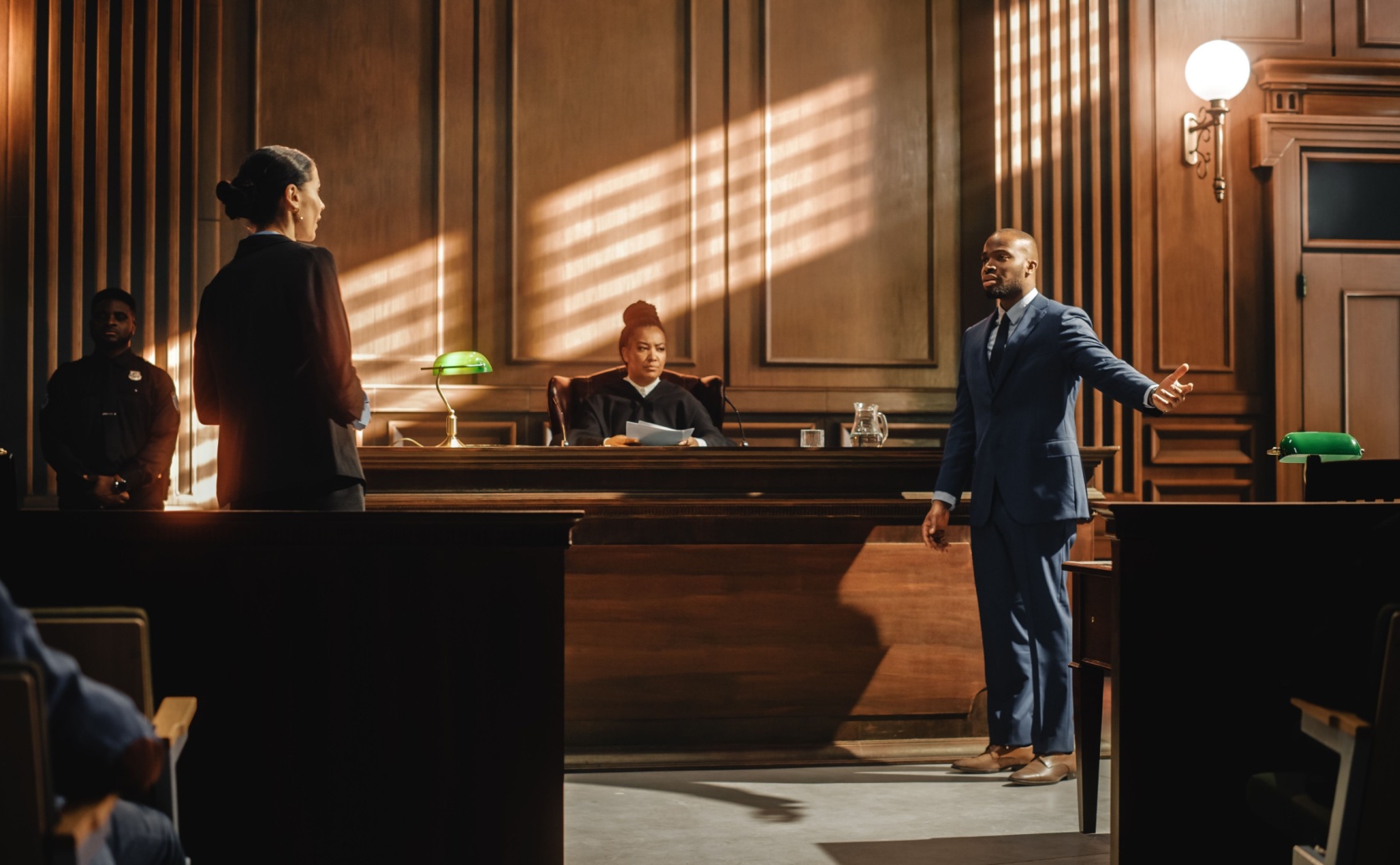
Prosecutors do not guess. They build a criminal case step by step, using rules that shape every choice they make. You may face charges now. You may fear that charges could come next. Either way, you need to know how the government works against you. This knowledge gives you a way to respond. First, prosecutors review police reports, photos, and digital records. Next, they test witness stories and search for proof that supports or weakens those stories. Then they decide what charges to file, or if they should file any at all. Each choice affects your freedom, your family, and your future. This blog explains how prosecutors think, what they must prove, and where mistakes often happen. It also shows how defense lawyers at mailletcriminallaw.com look for weak points in the government’s case, so you can prepare instead of panic.
Step 1: Reviewing the Arrest and Police Reports
Prosecutors start with what police give them. That first packet often decides how hard they push.
They look at three things.
- Why the police stopped or contacted you
- What evidence the police collected
- Whether officers followed the law
Prosecutors read reports and compare them with videos, photos, and audio. They check if the story stays the same or shifts. They look for missing times, vague claims, or copied wording. These small signs can show lazy work or rushed judgment.
They also check if the stop and search were legal. If police broke search rules, a judge may block that evidence. That can weaken the case fast.
You can see how this stage works by reading the basic steps of a criminal case from the United States Courts.
Step 2: Testing the Evidence
Next, prosecutors test what they have. They ask a hard question. Can this proof convince a jury?
They sort evidence into three main groups.
- Physical items such as weapons, drugs, or documents
- Digital records such as texts, social media posts, or GPS data
- Witness accounts from police, victims, and bystanders
For each piece they ask three things.
- Is it legal to use in court
- Is it clear or confusing
- Does it match the other proof
If a key item is weak or tainted, the case can shrink. If several pieces match and support each other, the case grows stronger.
Step 3: Deciding What Charges to File
After review, prosecutors choose charges. They must match the facts to written laws.
They look at the legal elements for each crime. Each crime has a short list of things the government must prove. For example, theft often needs proof of three points.
- You took something
- It belonged to someone else
- You meant to keep it
If the proof misses one point, they should not file that charge. They may pick a lower charge that fits better or decline the case.
Common Charging Choices Prosecutors Weigh
| Decision Point | Option A | Option B | Risk To You |
|---|---|---|---|
| Level of charge | Felony | Misdemeanor | Felony brings longer prison and lasting barriers |
| Number of counts | Single count | Multiple counts | More counts raise pressure to plead |
| Enhancements | No priors listed | Priors used to enhance | Enhancements raise possible sentence |
| Alternative options | Standard filing | Diversion or treatment path | Diversion can limit or avoid conviction |
These choices give prosecutors power. They also give defense lawyers a place to push for change.
Step 4: Preparing for Hearings and Trial
Once charges are set, prosecutors get ready for court. They plan for three early stages.
- First appearance, where bail or release is set
- Pretrial hearings, where motions and evidence rules are argued
- Trial, where a jury or judge hears the proof
They prepare witnesses. They outline questions. They plan how to show photos, videos, and records. They also study likely defense claims and look for ways to block them.
At the same time, they must follow rules on sharing evidence. The Supreme Court requires that prosecutors give you evidence that may help your defense. This is often called Brady material. Failing to share it can wreck a case.
You can read how trials work in general from the U.S. Department of Justice.
Step 5: Weighing Plea Offers
Most cases end with a plea, not a trial. Prosecutors know this. They often use charges and possible sentences to shape plea talks.
They think about three things.
- The strength of the proof
- The harm to any victim
- Your past record
If the case is strong, they may push for little change from the starting charges. If the case is weak, they may offer a lower charge or a lighter sentence to avoid the risk of losing at trial.
You face painful choices here. A plea can cut your risk. It can also leave a permanent mark. Strong advice from a defense lawyer can protect you at this stage.
Where Defense Lawyers Attack the Case
Defense lawyers study the same steps. They look for cracks.
Common targets include three points.
- Illegal stops or searches that can lead to suppressed evidence
- Unreliable witnesses with reasons to lie or faulty memory
- Gaps in proof for one or more legal elements of a charge
They file motions to throw out evidence. They ask for records that show bias or sloppy work. They cross examine witnesses to expose fear, pressure, or confusion.
When these efforts work, prosecutors may drop charges, offer better terms, or lose at trial.
How You Can Protect Yourself
You cannot control how a prosecutor thinks. You can control how you respond.
Three steps help most people.
- Stay silent with police and investigators until you have a lawyer
- Collect and save any proof that may help you such as texts, photos, or names of witnesses
- Meet with a defense lawyer early so they can start their own review
The sooner a defense lawyer tests the government’s case, the more room you may have to breathe. Your fear is real. Still, knowledge and action can give you some control over a painful moment.