Losing teeth can drain your energy and confidence. You may struggle to chew, speak, or even smile in public. Traditional dentures can help, but they often slip, rub, and feel loose. Many people in this situation start to wonder if there is another option. Implant dentistry offers a different kind of stability. It anchors new teeth to your jaw so they feel more like your own. This approach can protect your bone, support clear speech, and make eating less stressful. You might compare it to Ottawa dentures you already know about, yet implants change how the replacement teeth connect to your mouth. That single change affects daily comfort, long-term health, and even how your face looks. This blog explains how implant dentistry works, how it differs from traditional dentures, and what you should weigh before you choose.
How Traditional Dentures Work
Traditional dentures rest on top of your gums. They replace several missing teeth or a full jaw of teeth. They come out of your mouth for cleaning and for sleep.
Most full dentures rely on three things.
- The shape of your gums
- Suction between the denture and your mouth
- Sometimes paste or adhesive
Over time, your jawbone can shrink after tooth loss. Your gums can change shape as well. Then dentures can feel loose. You may need new fittings and frequent adjustments. You may also chew on one side to keep them steady. That can strain your jaw and neck.
The National Institute of Dental and Craniofacial Research explains that bone loss is common after teeth are gone and that it affects how dentures fit.
How Dental Implants Work
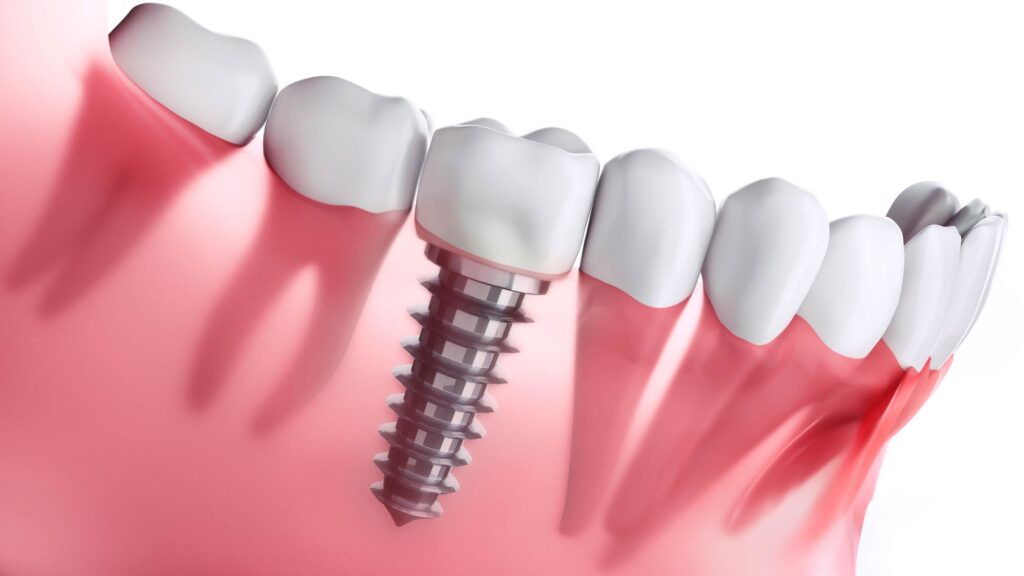
Dental implants replace tooth roots. A surgeon places a small metal post in your jawbone. Over time, the bone grows around the post. That growth locks the implant in place. The process is called osseointegration.
Once the implant is firm, your dentist attaches a connector and then a crown, bridge, or denture. The new teeth stay in place because they are fixed to the implant posts, not to your gums alone.
Implants can support:
- A single crown for one missing tooth
- A bridge for several missing teeth
- An implant-supported denture for many missing teeth
Implants feel more secure because they sit in bone. They can also help slow bone loss in the jaw. The American Dental Association’s dental implants page explains that implants can protect bone and help keep nearby teeth steady.
Key Differences at a Glance
| Feature | Traditional Dentures | Implant Dentistry
|
|---|---|---|
| How they stay in place | Rest on gums with suction or adhesive | Attach to posts fixed in jaw bone |
| Bone support | Do not stop bone loss | Help keep bone strong |
| Chewing strength | Lower bite force | Higher bite force closer to natural teeth |
| Speech | May move or click during speech | Stay steady during speech |
| Daily cleaning | Remove for cleaning and soaking | Brush in your mouth like natural teeth |
| Fit changes over time | Need refits as gums and bone shrink | Implants stay fixed. Teeth may need repairs |
| Surgery needed | No surgery for standard dentures | Surgery needed to place implants |
Comfort and Daily Life
You feel your teeth all day. Comfort matters.
With traditional dentures, you may notice:
- Sore spots where the denture rubs
- Movement when you bite hard food
- Food stuck under the denture
With implants you may notice:
- Less movement during chewing
- More stable speech
- Less rubbing on gums
Many people report that implants feel closer to natural teeth. The teeth still need care. Yet you do not need to remove them every night if they are fixed crowns or bridges.
Eating and Nutrition
Missing teeth can limit what you eat. Soft food may feel safer than crisp fruit, meat, or crusty bread. Over time, this can harm your nutrition and energy.
Traditional dentures can improve chewing compared to no teeth. Yet they often reduce bite force. Some people avoid hard or sticky food for fear that the denture will slip.
Implahaving nts can restore more bite strength. You may feel more able to chew a range of foods. That can support better nutrition and steady weight. Strong chewing also helps keep your jaw muscles active.
Appearance and Bone Loss
Teeth do more than cut food. They support your lips and cheeks. When teeth and roots are gone, the bone can shrink. That can give the lower face a sunken look over time.
Traditional dentures fill the space above the gums. They can improve your smile and support your lips. Yet they do not replace the pressure that natural roots give to bone. So bone loss can continue under the denture.
Implants act like roots. They give the bone a reason to stay strong. That can help keep the shape of your jaw more stable. Your face can keep a fuller look for longer.
Care, Cost, and Time
Both choices need steady care.
Traditional dentures need:
- Daily removal and brushing
- Soaking in a cleaner
- Regular checks for fit
Implants and implant teeth need:
- Brushing twice a day
- Cleaning between teeth
- Routine dental checks
Dentures often cost less at the start. They can be made in a shorter time. Implants often cost more and take longer because the bone needs time to heal around the posts. Yet implants may need fewer full replacements over many years.
How to Decide What Is Right for You
Your choice should fit your health, your budget, and your goals.
You may lean toward traditional dentures if you:
- Have health limits that make surgery unsafe
- Need a faster, lower cost option
- Are comfortable removing teeth at night
You may lean toward implants if you:
- Want more stable teeth for chewing and speech
- Hope to protect your jaw bone
- Can manage a longer treatment plan and higher cost
The next step is a clear talk with a dentist or specialist. Ask about your bone health, your medical history, and all costs over time. You deserve a choice that protects your body and your daily life.