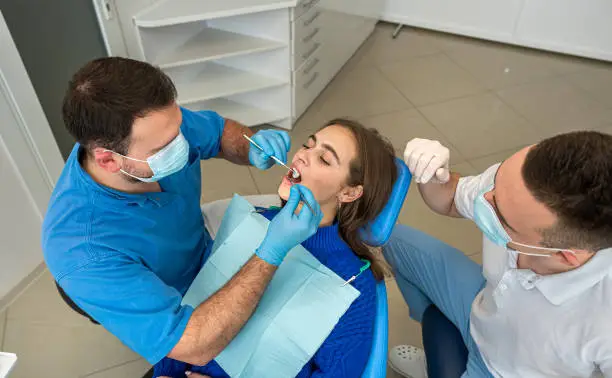
Your mouth does not sit apart from the rest of your body. It tells the truth about your heart, your blood sugar, and your immune system. When you ignore bleeding gums or loose teeth, you do not just risk a cavity. You raise your risk for heart disease, stroke, and pregnancy problems. You also strain your sleep, your mood, and your energy. Regular visits to a dental office in Garden City help you catch silent infection, hidden inflammation, and early bone loss. Each cleaning lowers harmful bacteria that travel through your blood. Each exam checks for oral cancer, airway limits, and habits that wear down your body over time. You protect your smile. You also protect your lungs, your joints, and your mind. This blog explains how routine general dentistry supports your whole body, and how small steps in the chair can prevent larger health crises.
How Oral Health Connects To Your Whole Body
You live with a constant flow of bacteria in your mouth. Some help you. Others hurt you. When plaque stays on your teeth, harmful bacteria grow. Gums swell. Gums bleed. Tiny sores open. Then bacteria slip into your blood.
Research links gum disease to a higher risk for heart disease and stroke. The Centers for Disease Control and Prevention warns that untreated gum disease is common and often silent. It does not always hurt. It still harms you.
Three key links stand out.
- Heart and blood vessel strain
- Blood sugar problems
- Immune system overload
General dentistry targets these links early. Cleanings break up plaque. Exams find gum pockets. Treatment calms infection before it spreads.
General Dentistry And Chronic Disease
Chronic disease creeps up over many years. Your teeth and gums often show the first signs. A general dentist can see these patterns during routine visits.
Common Health Conditions And Oral Signs
| Body Condition | Common Oral Signs | How General Dentistry Helps
|
|---|---|---|
| Heart disease | Red swollen gums. Loose teeth. Persistent bad breath. | Removes plaque. Treats gum infection. Coordinate with your doctor. |
| Diabetes | Frequent gum infection. Slow healing. Dry mouth. | Monitors gum health. Suggests sugar-neutral routines. Supports glucose control. |
| Pregnancy complications | Pregnancy gingivitis. Bleeding when brushing. | Provides safe cleanings. Reduces bacteria linked to preterm birth. |
| Sleep apnea | Worn teeth. Jaw pain. Mouth breathing. | Checks airway signs. Suggests sleep testing. Offers oral appliance options. |
| Osteoporosis | Loose teeth. Bone loss on X-rays. | Tracks bone changes. Shares findings with your medical team. |
The National Institute of Dental and Craniofacial Research explains that gum disease and diabetes feed each other. Poor blood sugar weakens gums. Infected gums raise blood sugar. General dentistry helps you break that cycle.
Prevention: What Routine Visits Really Do
Routine visits feel small. They are not small. Each visit does three important things.
- Cleaning. Removes plaque and tartar. Lowers bacteria that trigger heart and lung problems.
- Evaluation. Measures gum pockets. Checks bite. Reviews changes in your health history.
- Screening. Look for early cancer signs. Checks tongue, cheeks, and throat. Views bone on X-rays.
These steps protect more than teeth. They protect your ability to chew, speak, sleep, and work without pain. They also protect older family members who face a higher risk for infection and poor nutrition.
Whole Body Benefits For Every Age
General dentistry supports each stage of life in different ways. Three groups need special focus.
Children And Teens
- Fluoride and sealants reduce cavities.
- Early exams catch crowding and bite problems.
- Healthy teeth support speech and school focus.
Pain from untreated decay can limit sleep and school days. Regular care keeps kids ready to learn.
Adults
- Gum checks protect the heart and blood vessels.
- Night guard use protects teeth from stress clenching.
- Tobacco screening supports quitting.
Adults often ignore small bleeding or bad breath. General dentistry treats these signs before they grow into tooth loss or costly emergency visits.
Older Adults
- Denture and partial fit checks protect chewing and nutrition.
- Dry mouth reviews prevent root decay.
- Medication reviews spot drug side effects on gums and saliva.
Good oral health helps older adults eat solid food, avoid choking, and stay social. This supports mood and memory.
Daily Habits That Support Your Dentist’s Work
Your daily routine decides how well your dental visits work. General dentistry guides you, yet you carry the plan home. Focus on three habits.
- Brush twice a day with fluoride paste. Use a soft brush. Reach the gumline.
- Clean between teeth once a day. Use floss or small brushes. Remove trapped food.
- Rinse and drink water. Use a simple fluoride rinse if advised. Choose water over sweet drinks.
Then watch sugar. Limit snacks that stick to teeth. Choose whole foods you chew. Crunchy fruits and vegetables scrub surfaces and trigger saliva.
When To Call A General Dentist
Do not wait for pain. Reach out if you notice any of the signs below.
- Gums that bleed when you brush or floss
- Loose teeth or shifting spaces
- Constant bad breath or bad taste
- Jaw pain or frequent headaches on waking
- White or red patches in your mouth that do not heal
- Dry mouth that makes swallowing hard
Timely visits turn these warnings into action. You lower the risk of infection spreading to your heart, lungs, and joints.
Putting It All Together
General dentistry is not only about fixing cavities. It is about steady protection of your whole body. You gain early warning for chronic disease. You guard your heart, blood sugar, lungs, and brain. You also protect your family when you model regular care.
Schedule routine checkups. Ask clear questions. Share your medical history and medication list. Then follow through at home. Small steps in the dental chair support long-lasting strength in every part of your body.