Image source: Unsplash
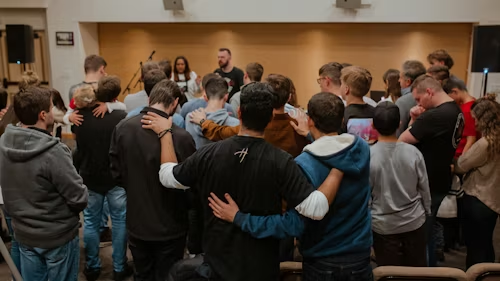
In a world where many feel isolated, finding a spiritual home where people genuinely care makes all the difference. A healthy church community reflects Christ’s love through relationships that go beyond Sunday services. When members connect, they grow together in faith, share life’s highs and lows, and become a living testimony of grace in action. These bonds create resilience, foster spiritual maturity, and help people feel truly seen and valued.
As Pastor Chet Lowe highlights, a church that functions like a family not only strengthens individual faith but also becomes a beacon of hope to the broader community. It’s in shared meals, honest conversations, and simple acts of kindness that the church becomes a home.
What It Means to Be a Church Family
Being part of a church family means more than just attending weekly services together. It reflects a deeper connection where people share life, support one another, and grow together in faith. The church becomes a place where relationships mirror the closeness of siblings, rooted in the idea that believers are part of one spiritual body.
Scripture often uses familial language to describe the church, referring to its members as brothers and sisters in Christ. This reflects a call to live in unity, care for each other, and walk through life’s challenges together with grace and commitment.
Many people seek more than just a faith tradition—they long for real connection. When a church feels like home, it offers a space where people feel known, accepted, and supported, which helps faith take deeper root. This sense of belonging becomes a foundation for lifelong spiritual growth.
Why Relationships Matter in Church
People thrive when they know others are walking with them in faith, offering encouragement, prayer, and accountability along the way. These bonds help individuals stay rooted during difficult times and celebrate during seasons of joy.
Shared values and beliefs create a foundation for a deeper connection. When people gather around a common purpose, relationships naturally deepen. A conversation after service, a prayer shared during a hard week, or a meal enjoyed with others can become sacred moments in building trust and care.
In isolation, faith can feel fragile. But in a community, people are reminded they’re not alone. Being part of a church family helps nurture spiritual resilience by surrounding individuals with people who know them and genuinely care.
Recognizing a Family-Like Church
A church that feels like family is often marked by warmth and presence. People notice when others are missing, reach out just to check in, and show up during both celebrations and hardships. These gestures, simple as they may seem, create a powerful sense of belonging.
You might see people gathering outside of Sunday services—sharing meals, helping each other move, or attending life events. These moments reveal the heartbeat of a church family. When relationships move beyond the pews and into everyday life, it’s clear that something deeper is taking root.
Trust doesn’t happen instantly. It’s built over time through honest conversations, shared experiences, and consistent care. In a family-like church, people feel safe to be themselves, knowing they are valued not for perfection but for who they are. That authenticity allows people to grow both individually and together.
Building Stronger Church Connections
Stronger relationships in church rarely happen by accident—they grow through intentional steps. Hospitality, shared service projects, and mentorship can all create space for connection. These efforts lay the groundwork for deeper relationships rooted in trust.
Churches that prioritize real relationships often see deeper discipleship. When leaders model vulnerability and consistency, it invites others to do the same. A friendly smile at the door matters, but a midweek phone call or an honest conversation over coffee often carries more weight. These small acts of presence can open doors to healing and spiritual growth.
Making space for people to connect beyond the sanctuary—through small groups, ministry teams, or informal gatherings—helps individuals feel seen and heard. When people know they matter, they’re more likely to stay, serve, and grow within the church body. It’s through these genuine connections that churches become spiritually vibrant.
Common Obstacles to Church Connections
Not everyone finds it easy to connect in church. Past wounds, busy schedules, or simply the size of the congregation can make people hesitant to open up. It’s easy to feel like just another face in the crowd when there’s no one reaching out or following up. Overcoming these barriers often requires patience and intentionality.
Sometimes, people expect the church to be perfect and withdraw when flawed humans fall short. But being a church family doesn’t mean everyone thinks the same, acts the same, or agrees on every detail. Growth happens when people choose to stay present, even when it’s uncomfortable. Differences handled with grace can actually strengthen community bonds.
Taking the first step toward connection often requires courage. A smile, a conversation, or showing up consistently can slowly open the door, even when it feels awkward or slow at first. It’s in these small beginnings that lasting relationships are formed.