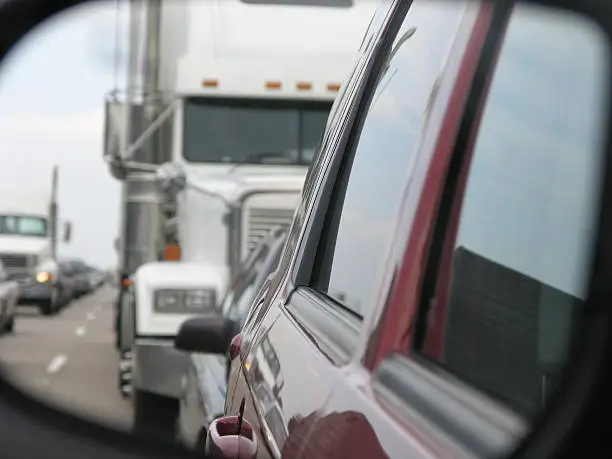
Large trucks can crush a car in seconds. The damage to your body, your work, and your peace of mind often lasts for years. A crash like this is not the same as a fender bender on your way home. It is a different kind of legal fight. First, there are more people involved. You may face the truck driver, the trucking company, the trailer owner, a broker, and an insurance team for each one. Next, the rules are different. Federal safety rules for drivers, logbooks, and truck maintenance all shape what happened to you. Finally, the money at stake is higher, so pushback is harder. You may see delay, blame, and pressure to accept less. This blog explains why truck accident lawsuits are more complex than a typical car crash case and what that means for you.
How a Truck Crash Differs from a Car Wreck
A crash with a tractor trailer is different from a crash between two cars. The size and weight of a truck change everything. A loaded truck can weigh up to 80,000 pounds. Your car may weigh around 3,000 pounds. That weight gap often leads to heavy damage, long hospital stays, and time away from work.
The Federal Motor Carrier Safety Administration explains that large trucks are more likely to cause serious harm when something goes wrong. You can see national data on truck crashes on the FMCSA site at https://www.fmcsa.dot.gov/safety/data-and-statistics/large-truck-and-bus-crash-facts. These numbers show why your claim will not follow the same path as a simple rear end car crash.
Who You May Face After a Truck Crash
A car wreck often involves two drivers and two insurance companies. A truck crash can pull in a long list of players. Each one may try to push blame onto someone else.
- The truck driver
- The trucking company
- The company that owns the trailer
- The shipper that loaded the freight
- The broker that set up the trip
- The repair shop that worked on the truck
- Several insurance carriers
Every one of these parties may hold its own policy and its own legal team. That means more records, more finger pointing, and more delay. You must protect your story from being twisted at each step.
Different Rules and Higher Stakes
Truck drivers and trucking companies must follow special federal rules. These rules cover how long a driver can be on the road, how often trucks need checks, and how cargo must be tied down. The FMCSA sets many of these rules. You can read the hours of service rules at https://www.fmcsa.dot.gov/regulations/hours-service/summary-hours-service-regulations.
If a driver breaks these rules, that can be strong proof that the crash was not your fault. Yet you often must fight to see the proof. Key records may include
- Electronic logging device data
- Driver logbooks
- Truck inspection and repair records
- Weight and cargo records
- Company safety policies
Each record needs a formal request. Each request takes time and pressure. While this unfolds, you still face medical bills, vehicle loss, and missed paychecks.
Key Differences Between Truck and Car Claims
| Issue | Typical Car Wreck Claim | Truck Accident Claim
|
|---|---|---|
| Number of parties | Two drivers and two insurers | Driver, trucking company, trailer owner, shipper, broker, several insurers |
| Rules that apply | State traffic laws | State traffic laws and federal trucking rules |
| Evidence needed | Police report, photos, medical records | All car crash proof plus logs, black box data, repair records, cargo records |
| Injury risk | Lower risk of life changing harm | Higher risk of spine, brain, and long term harm |
| Insurance limits | Often lower | Often higher which can trigger more pushback |
| Claim length | Often months | Often many months or years |
Evidence That Can Shape Your Case
Truck crashes often turn on proof that is easy to lose. Some trucking companies keep electronic data for a short time. Some records can be changed if you do not act fast. You protect yourself when you
- Get medical care right away and follow the plan
- Save photos and video from the scene and your injuries
- Keep records of every bill and missed day of work
- Write down what you remember while it is still fresh
In many truck claims, you also need quick steps to stop the trucking company from erasing data. That often means early legal help that sends written notice to save records.
How Insurance Companies Respond
Because truck policies often carry higher limits, insurers treat these claims as a threat. You may face
- Fast calls with low offers
- Pressure to give a recorded statement
- Claims that you were at fault
- Delays while they search for reasons to pay less
You do not have to accept the first offer. You do not have to explain your injuries while you are still in shock. You have the right to understand your losses before you agree to settle.
Protecting Yourself and Your Family
A truck crash shakes your sense of safety. It also brings hard choices about money, work, and care. You can steady the ground under your feet if you
- Focus on your health and follow medical advice
- Do not sign forms or releases without clear answers
- Keep your own folder with every record and bill
Truck accident claims are more complex than a typical car wreck case because there is more at stake, more proof to track, and more parties who may fight you. When you understand these differences, you can push back against pressure, guard your rights, and seek the support you need for a safer path forward.