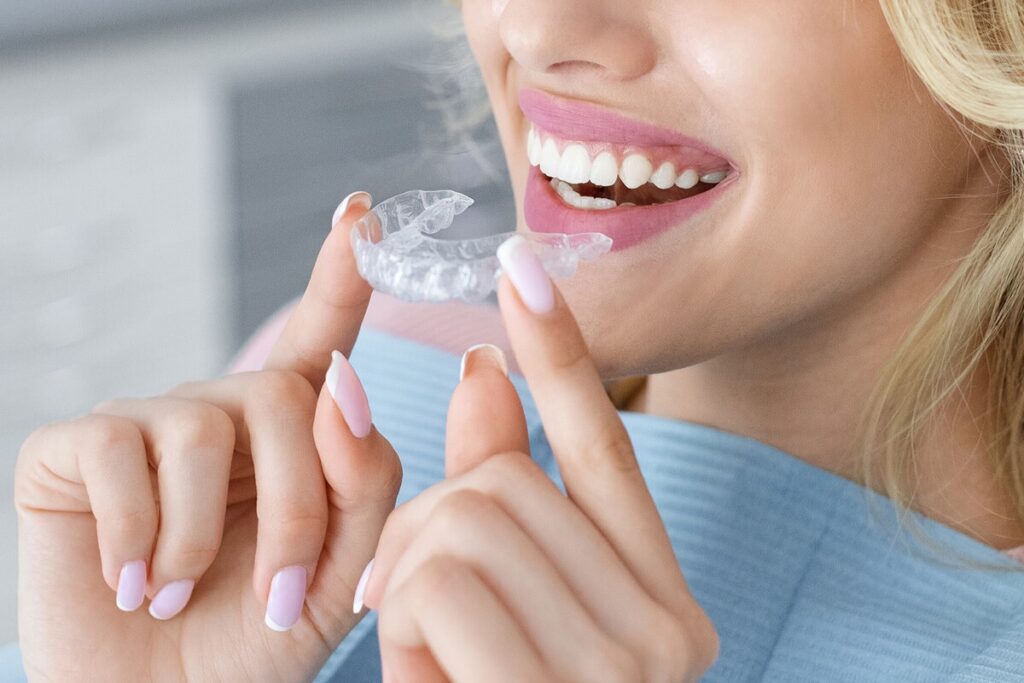
You chose clear aligners to straighten your teeth without brackets or wires. That choice took courage. Now you need to protect that progress. During treatment, small mistakes can slow your results, hurt your gums, or even change how your bite fits. Many people do not realize they are slipping into habits that fight against their own treatment plan. You might wear your trays less than you should, forget to clean them, or snack with them in your mouth. Each choice adds up. This blog will walk you through 4 common mistakes that can sabotage your clear aligners in Goodlettsville TN. You will see what these mistakes look like, why they matter, and how to avoid them. With a few simple habits, you can keep your mouth healthy, your treatment on track, and your final smile worth the effort.
Mistake 1: Not Wearing Your Aligners Enough Hours Each Day
Clear aligners only work when you wear them. Every hour out of your mouth slows tooth movement. Teeth start to shift back. Your trays start to feel tight. You might even need new trays or extra months of treatment.
Most treatment plans need 20 to 22 hours of wear each day. That means you remove the trays only for eating, drinking anything except water, and brushing.
To stay on track, you can:
- Set alarms on your phone for putting trays back in after meals
- Use a small case so your trays stay with you at school, work, and home
- Track wear time with a simple notebook or app
The Centers for Disease Control and Prevention shows that consistent daily habits protect your mouth. The same is true for aligner wear. Steady, daily use brings steady change.
Mistake 2: Eating or Drinking With Aligners In
Food and sugary drinks with trays in your mouth cause trouble fast. Food gets trapped. Sugar and acids stay against your teeth. Trays stain. Your breath smells bad. Cavities can form under plastic where you cannot see them.
Even “healthy” drinks can hurt teeth when trapped under trays. That includes juice, sports drinks, flavored water, and diet soda. Heat from hot drinks can also warp aligner plastic.
Use this table as a guide.
| Drink or Snack | Safe With Aligners In? | What You Should Do
|
|---|---|---|
| Plain water | Yes | Drink freely with trays in |
| Coffee or tea | No | Remove trays. Rinse or brush before putting them back |
| Juice or soda | No | Remove trays. Limit use. Rinse after drinking |
| Sports drinks or energy drinks | No | Remove trays. Rinse after drinking |
| Snacks like chips or candy | No | Remove trays. Brush or rinse before wear |
| Chewing gum | No | Do not chew gum with trays in |
Every time you eat or drink anything except water, remove your aligners. Then rinse your mouth. Then rinse the trays. Then put them back in right away.
Mistake 3: Poor Cleaning Of Aligners And Teeth
Aligners sit over your teeth like a clear cover. That cover can trap plaque and germs. If you do not clean both your teeth and your trays, you raise the risk of cavities, gum swelling, and stains.
Research shared through the National Institute of Dental and Craniofacial Research shows that plaque and sugar work together to attack teeth. Aligner plastic can hold that mix in one place.
Use this simple routine each day.
- Morning. Remove trays. Brush teeth and tongue. Floss if you can. Rinse trays with cool water. Brush trays with a soft toothbrush and clear liquid soap. Put them back in
- After meals. Rinse your mouth. If possible, brush. Rinse trays with cool water. Put them back in
- Night. Repeat the morning steps. Clean your trays before bed so germs do not sit on your teeth while you sleep
Never use hot water, bleach, or strong cleaners on your trays. That can warp or scratch them. Small scratches hold more germs and stains.
Mistake 4: Skipping Checkups Or Ignoring Problems
Aligners seem simple. You change trays every one or two weeks and keep going. You still need regular checkups. Your dentist or orthodontist checks how your teeth move and how your gums look. Small changes in your bite or jaw can show up before you feel pain.
Warning signs include:
- Trays that suddenly fit very tight or very loose
- Sharp edges that cut your cheeks or tongue
- Persistent sore spots on gums
- Bad breath that does not improve with cleaning
- New pain when chewing
Do not wait to mention these signs. Call the office. Take photos if asked. A quick visit or tray adjustment can prevent bigger problems and extra months of treatment.
Simple Habits That Keep Treatment On Track
You can protect your time and money with three steady habits.
- Wear. Aim for 20 to 22 hours each day. Put trays back in right after eating or brushing
- Clean. Brush and floss your teeth. Rinse and gently brush trays. Drink only water with trays in
- Check. Keep your appointments. Report pain, poor fit, or broken trays right away
Clear aligners can guide your teeth into a better position with steady effort. You do not need perfection. You only need consistent care and honest attention to small problems. Each careful choice protects your progress and helps you reach the end of treatment with a mouth that feels strong and a smile that feels earned.