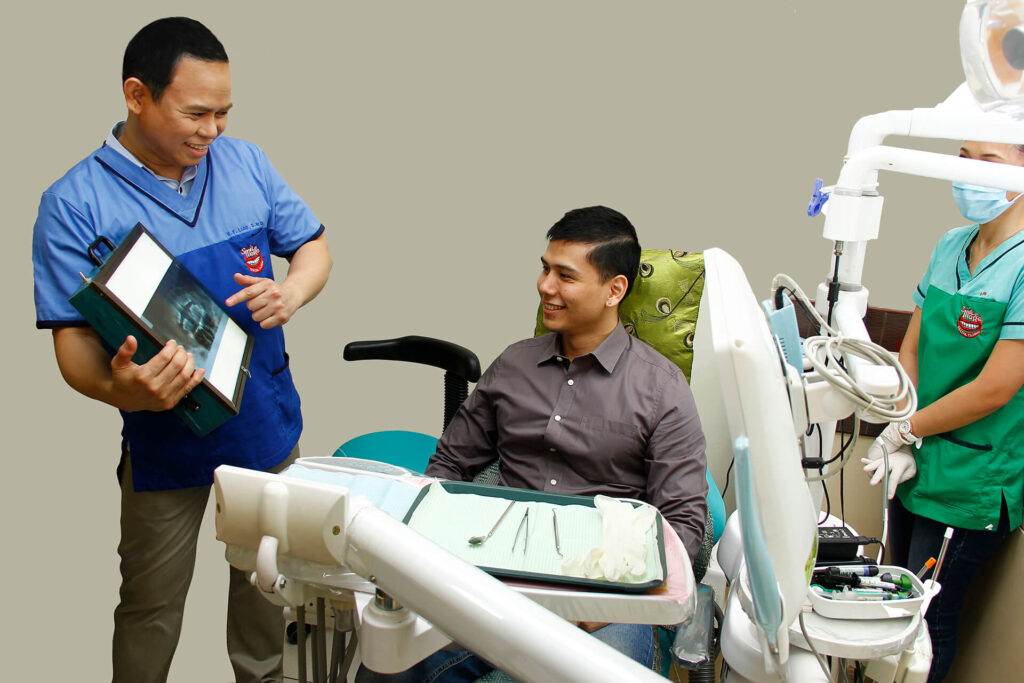
When you bring your family to a dental office, you want more than quick fixes. You need a team that talks to each other. Coordinated care in a family dental practice means your dentist, hygienist, and front desk share one clear plan for your teeth and gums. This steady plan protects your health, your time, and your money. It also lowers stress for you and your children. Instead of repeating your story, you see a record that follows you. A Deer Park dentist who uses coordinated care can spot problems early, track changes, and adjust treatment before pain starts. This kind of teamwork supports cleanings, fillings, braces, and emergency visits. It keeps your care consistent through every stage of life. When your dental team works as one, you get clear answers, fewer surprises, and better long term results.
What Coordinated Dental Care Really Means For Your Family
Coordinated care means your dental team shares the same facts and the same goals. Each visit builds on the last one. You do not start over every time you sit in the chair.
In a coordinated family practice, your team:
- Uses one shared record for each person in your family
- Reviews your health history before every visit
- Tracks changes in your mouth over time
This steady flow of information helps your dentist see patterns. Early signs of gum disease, grinding, or tooth decay do not get missed. Your child’s growth, braces needs, and habits stay on one clear timeline.
Why Coordinated Care Matters For Children And Adults
Coordinated care touches every part of your family’s life. It shapes how your child learns to trust health workers. It shapes how you handle pain, fear, and cost.
For children, a connected team can:
- Watch baby teeth and adult teeth as they come in
- Spot speech or chewing problems that link to teeth
- Plan braces at the right time instead of rushing or waiting too long
For adults, the same approach can:
- Catch gum disease before teeth loosen
- Link mouth health to diabetes, pregnancy, or heart disease
- Prevent repeat X rays and repeat forms
The U.S. Centers for Disease Control and Prevention explains that poor mouth health links to heart disease, diabetes, and pregnancy problems.
How Information Sharing Protects Your Health
Information is the backbone of safe care. When your dentist shares notes with the hygienist and front desk, small details do not slip away.
Strong information sharing means your team:
- Knows your medicine list and allergies before treatment
- Checks your blood pressure or blood sugar if needed
- Adjusts numbing medicine or timing for your health needs
The National Institutes of Health describes how health records support safer care for people with chronic disease.
Coordinated Care Versus Fragmented Care
You can feel the difference between a coordinated office and a scattered one. In a scattered office you repeat your story. You answer the same questions. Staff do not seem to know each other’s plans.
The table below shows a simple comparison.
| Aspect of care | Coordinated family practice | Fragmented practice
|
|---|---|---|
| Health record | Single shared record for your whole history | Scattered notes and repeated forms |
| Communication | Team talks before and after your visit | Staff pass quick messages in the hallway |
| Planning | Clear long term plan for cleanings and treatment | One visit at a time with no clear path |
| Emergency visits | Team uses your history to treat pain fast | Team guesses because records are missing |
| Costs | Fewer repeat tests and fewer surprise bills | More repeat X rays and rushed treatment |
| Family experience | Less stress and clear answers for parents and kids | Confusion, long calls, and mixed messages |
Benefits You Can See In Everyday Life
Coordinated care is not a theory. You feel it in small daily ways.
You spend less time on the phone. The front desk knows your insurance, your schedule, and your past work. They can line up family visits together. They can time cleanings and braces checks in one trip.
You face fewer hard choices. When the team sees your full picture, they can lay out a clear set of options. They can show what needs quick action and what can wait. This helps you guard your budget without risking your health.
You also feel more calm. Your child sees the same faces and hears the same messages each time. Trust grows. Fear drops. This steady bond can last from the first tooth through college.
What To Look For In A Coordinated Family Dental Practice
You can spot coordinated care by asking a few direct questions. You have the right to do this before you commit.
Ask the office:
- Do you use one shared record that all staff can see
- How do you track my long term treatment plan
- How do you share information if I need a specialist
Then watch how the office runs. Notice three things.
- Staff know your name and your family without long searches
- The dentist and hygienist refer to the same notes and plan
- Explanations stay clear and match what you heard before
If answers feel rushed or vague, your care may end up scattered. If answers feel steady and clear, your family is more likely to get true coordinated care.
Taking The Next Step For Your Family
Your mouth affects how you eat, speak, and smile. It affects how your children see their own bodies. Coordinated care in a family dental practice is not a luxury. It is a basic form of respect for your time, your story, and your health.
You can take three simple steps now.
- Review your current dental office and how often you repeat your story
- Call and ask how they share records and plan long term care
- If needed, look for a family practice that explains its team approach in plain words
When your dental team stands on the same page, you gain something quiet yet powerful. You gain steady protection for your family’s health. You gain fewer shocks. You gain care that grows with you instead of working against you.