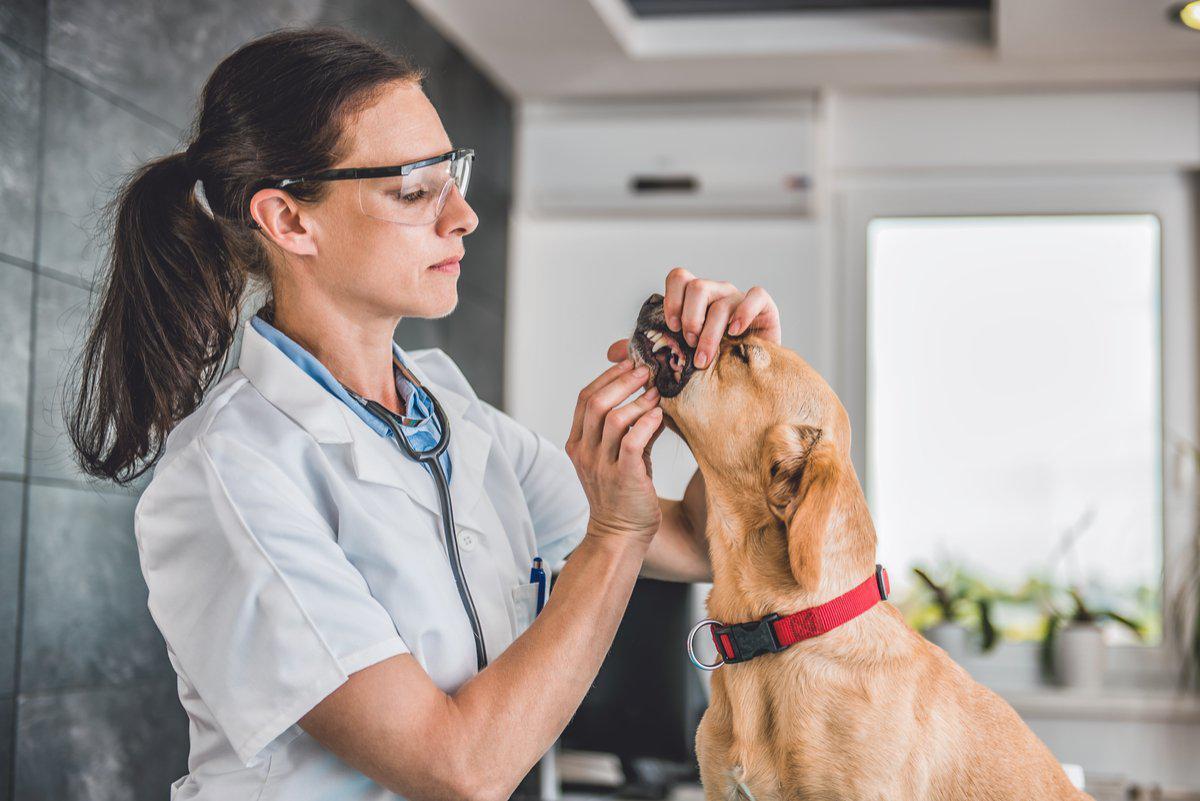
Healthy teeth keep animals eating, playing, and healing. Yet dental care often sits in the background during vet visits. You might focus on vaccines or injuries and miss the slow damage in the mouth. Plaque, broken teeth, and gum infection cause quiet pain. They also spread bacteria through the body. This can strain the heart, kidneys, and liver. Many pets stop eating well. Some grow angry from constant discomfort. You can prevent much of this. Regular checks, cleanings, and simple home habits protect your pet. Every visit should include a quick look at the teeth and gums. Early action costs less and avoids harder treatment. Your veterinarian can guide you. For example, a trusted animal hospital in Houston, TX can show you how to spot bad breath, bleeding gums, or loose teeth. Strong dental care is not extra. It is basic health.
Why your pet’s mouth matters more than you think
You see your pet chew toys, crunch food, and lick your hand. That smile hides many secrets. Teeth and gums show early signs of sickness long before other signs appear. A careful oral exam can reveal:
- Red, swollen gums that bleed when touched
- Brown or yellow buildup on teeth
- Loose or broken teeth
- Lumps, sores, or strange growths
Each of these can point to infection. Infection in the mouth does not stay in the mouth. Bacteria travel through the blood. They reach the heart, kidneys, and liver. The American Veterinary Medical Association explains that untreated dental disease raises the risk of organ damage and early death.
Common dental problems veterinarians see
You do not need special training to care. Yet you do need clear words. Here are three common problems your veterinarian checks for during a dental visit.
- Gum infection. This starts with plaque on the teeth. Plaque hardens into tartar. Gums pull away from the teeth. Pockets form where bacteria grow. This hurts every time the pet chews.
- Broken or worn teeth. Hard toys, fights, or accidents crack teeth. The inner part of the tooth is then open to air and food. This causes deep pain and infection.
- Tooth loss. When gums and bone wear away, teeth fall out. Many pets then struggle to eat and lose weight.
These problems grow over months and years. You may not see a change in one day. Yet your pet feels it all the time. A strong dental plan at your clinic stops this slow damage.
What happens during a veterinary dental visit
You may feel nervous about dental work. Your pet may feel that too. Clear steps can ease both of you. A typical dental visit in a veterinary clinic often includes three parts.
- Exam while awake. The veterinarian looks at the mouth, teeth, gums, and jaw. You can hear what they see and ask questions.
- Cleaning under anesthesia. For a full cleaning the pet sleeps. This keeps the pet safe. It also lets the team clean under the gums, where most disease hides.
- X rays of the mouth. Many problems sit under the gum line. Dental x rays show root damage, bone loss, or hidden teeth.
The American Veterinary Dental College explains that cleaning without anesthesia cannot reach under the gums and can miss serious disease.
Costs and benefits of regular dental care
You might worry about cost. That worry is fair. Yet waiting often costs more money and more pain for your pet. The table below gives a simple comparison for many dogs and cats.
Typical outcomes with and without routine veterinary dental care
| Factor | With routine dental care | Without routine dental care |
|---|---|---|
| Average mouth odor | Mild or none | Strong and constant |
| Eating and chewing | Steady and comfortable | Slow, picky, or stops eating |
| Risk of tooth loss | Low | High after middle age |
| Risk of hidden infection | Lower with checks and x rays | Higher and often missed |
| Long term cost | Spread out with planned cleanings | Sudden large bills for extractions and care |
| Pet comfort | Steady comfort | Ongoing mouth pain |
This table is a guide. Costs and details vary for each clinic and each pet. Still, the pattern stays the same. Regular care keeps pain and cost lower over time.
Simple habits you can start today
You play a direct part in your pet’s mouth health. You do not need complex tools. You need three steady habits.
- Look in the mouth once a week. Check for red gums, loose teeth, brown buildup, or sores. Notice any change in smell.
- Use pet safe tooth products. Ask your veterinarian for a toothbrush and paste made for pets. Start with short sessions. Praise your pet. Build up slowly.
- Choose safe chew items. Very hard bones or antlers can crack teeth. Your veterinarian can suggest safer options that help clean without breaking teeth.
If your pet will not allow brushing, tell your clinic. They can guide you toward rinses, wipes, or special diets that support dental health.
When you should call your veterinarian right away
Some signs mean you should not wait. Call your veterinarian soon if you see:
- Blood in the water bowl or on toys
- Refusal to eat or dropping food from the mouth
- Pawing at the face or jaw
- Sudden swelling around the mouth, nose, or eye
- Loose teeth or broken teeth
These signs often mean strong pain or deep infection. Quick care can stop that pain and protect organs from more damage.
Your next step
You care about your pet’s comfort. Dental care in veterinary clinics turns that care into action. You can make three simple moves. First, ask for a mouth check at every visit. Second, plan regular cleanings as your veterinarian suggests. Third, keep up a home routine that fits your pet.
Small steps today protect your pet’s body, mood, and joy for years. Your pet cannot ask for this care. You can.