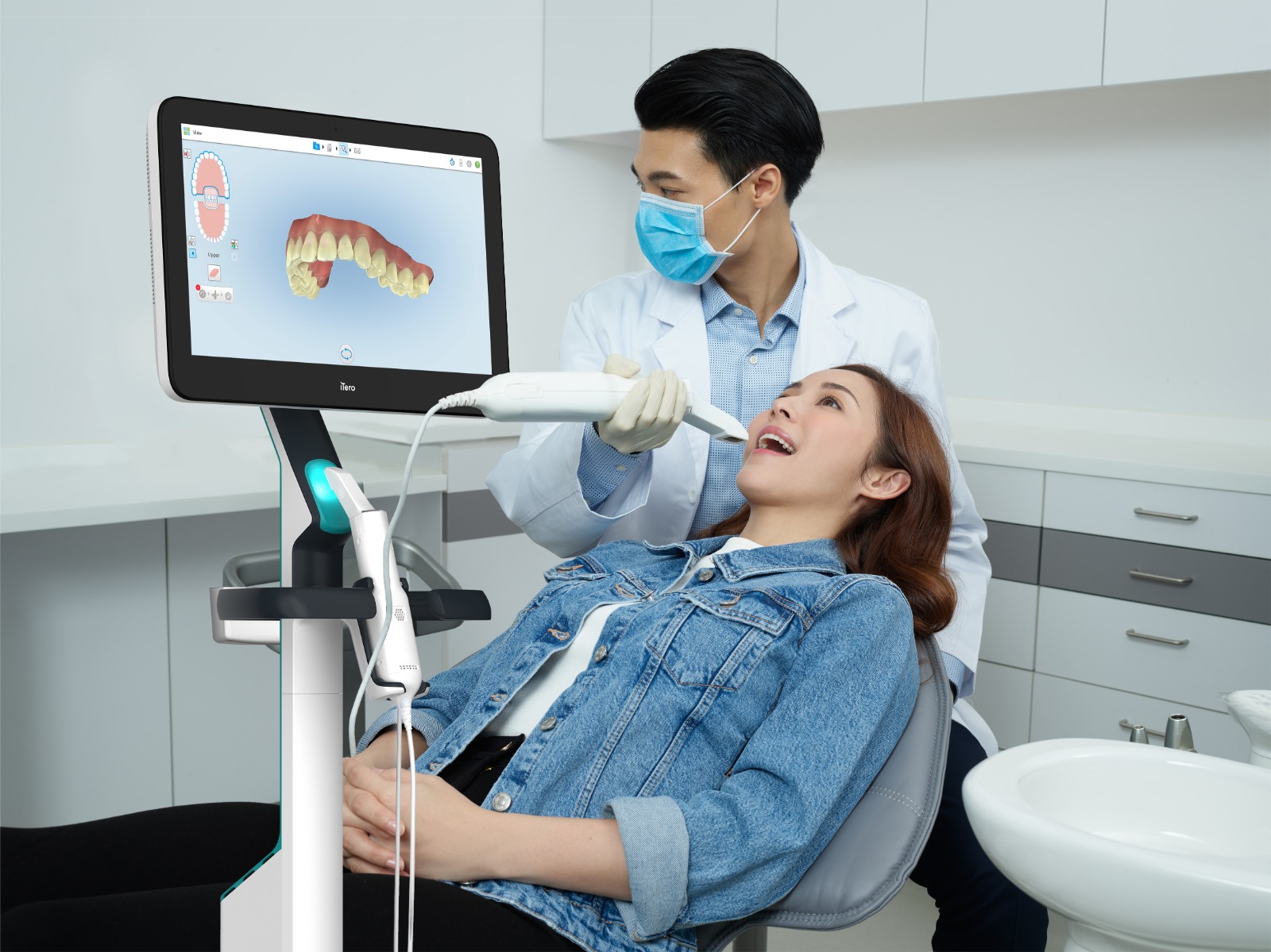
You deserve care that does not cause extra stress or pain. Traditional dental impressions can feel messy, tight, and uncomfortable. Intraoral scanning removes that burden. Instead of trays and putty, your dentist uses a small digital wand to create a clear 3D picture of your teeth. This approach supports comfort. It also helps your dentist work with more precision and fewer surprises. North San Antonio dentistry now uses intraoral scanning for many treatments, including crowns, bridges, and clear aligners. You spend less time in the chair. You also avoid repeat impressions that can trigger a strong gag reflex. This blog explains four key benefits of intraoral scanning for your comfort and your results. You will see how this technology can ease your next visit, improve fit, and support long term oral health.
1. More comfort for you and your family
Traditional impressions often cause fear. The tray feels large. The putty feels heavy. You may worry that you will choke or gag. Children and older adults often feel this fear even more.
Intraoral scanning changes that experience. Your dentist moves a small wand around your teeth. A camera inside the wand takes many pictures. Software then builds a 3D model of your mouth.
You benefit in three clear ways.
- No goo in your mouth. You do not need trays or impression material.
- Less gagging. The wand stays away from the soft part of your throat.
- Less time in the chair. Scans often take only a few minutes.
The American Dental Association explains that digital tools can reduce discomfort and support safer care when used with standard safety steps.
2. Better precision for crowns, bridges, and aligners
A crown that feels too high can cause jaw pain. A loose bridge can trap food. Clear aligners that do not fit can rub your gums. All of these problems often come from small mistakes in impressions.
Intraoral scanning improves accuracy. The camera records fine shapes on each tooth. The software measures distances in tiny units. This level of detail helps your dentist and the dental lab create a closer fit.
You see the value in three ways.
- Crowns and bridges fit more snugly on the first try.
- Aligners match your teeth more closely and move them in smaller, planned steps.
- Future work uses the saved scan, so small changes are easier to track.
University programs that teach digital dentistry report that 3D scans often match or exceed the accuracy of traditional impressions for many routine treatments. One summary from the National Institutes of Health (NIH) digital impression overview describes how digital scans can reduce errors caused by material shrinkage and handling.
3. Faster visits and fewer repeat appointments
Time away from work, school, and caregiving can strain your life. Every extra appointment means more travel and more planning. Traditional impressions can add to that burden when they fail and need to be taken again.
Intraoral scanning reduces repeat visits in three main ways.
- If a scan misses a spot, your dentist can see it right away on the screen and rescan that small part.
- Digital files go to the lab almost at once, so the lab can start work sooner.
- Many labs use computer guided milling or 3D printing, which pairs well with digital scans and can shorten turnaround time.
This does not mean every case is fast. Complex treatment still needs careful planning. Yet you face fewer delays caused by broken impressions, shipping issues, or distorted material. Your care moves in a straight line instead of back and forth.
4. Clear visuals that help you understand your care
Dental care can feel scary when you do not know what is happening in your mouth. Flat X rays help, but they are hard to read if you do not have training. Intraoral scans give a 3D view that you can see and understand.
Your dentist can rotate the model of your teeth on a screen. You can see cracks, wear spots, and crowding from many angles. This helps you feel included in decisions.
You gain three clear benefits.
- Better understanding of why a crown, bridge, or aligner is needed.
- More trust in the plan because you see the problem and the goal.
- Easier tracking of progress, such as tooth movement during aligner treatment.
The National Institute of Dental and Craniofacial Research notes that clear information and shared decisions improve treatment success and follow through.
Comparison: traditional impressions vs intraoral scanning
The table below shows how traditional impressions and intraoral scanning compare on comfort and precision.
| Feature | Traditional impressions | Intraoral scanning
|
|---|---|---|
| Material in mouth | Tray filled with thick putty | Small camera wand |
| Gag reflex risk | High, especially for back teeth | Lower, wand can avoid throat |
| Typical chair time for one arch | Several minutes plus setting time | Often a few minutes with no wait time |
| Need to repeat if error occurs | Full impression must be retaken | Only missed spots need a quick rescan |
| Data storage | Physical models that can chip or break | Digital files that can be backed up |
| Fit of crowns and aligners | Good, but affected by material changes | Very close fit in many common cases |
Is intraoral scanning right for you
Intraoral scanning supports comfort and precision for many people. It may help you if you
- Have a strong gag reflex or past fear of dental impressions.
- Need crowns, bridges, implants, or clear aligners.
- Need treatment on several teeth and want fewer visits.
Some complex cases still need traditional methods. Your dentist will explain why a certain approach fits your mouth and your health history.
How to talk with your dentist about intraoral scanning
You can start with three simple questions.
- Do you offer intraoral scanning for crowns, bridges, or aligners
- How will a digital scan change my visit and my comfort
- Can you show me my scan and explain the plan on the screen
When you ask direct questions, you gain control. You reduce fear. You protect your time and your comfort. You also help your dental team give care that matches your needs.
Intraoral scanning does not replace the skill of your dentist. It is one more tool that supports careful work. When used with clear communication and good follow up, it can protect your mouth, your time, and your peace of mind.